2026 Best Weightlifting Waist Belt for Ultimate Support?
In the world of weightlifting, a proper Weightlifting Waist Belt can make a significant difference. This essential accessory provides the support lifters need during intense workouts. A well-designed belt stabilizes the core and enhances performance. However, not all belts are created equal. The wide variety of options can overwhelm buyers.
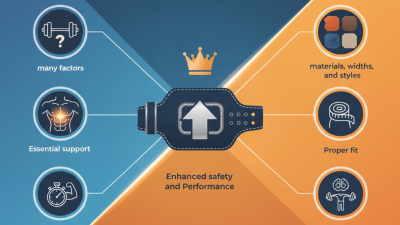
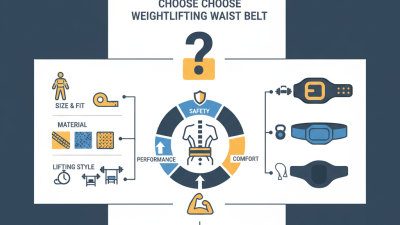
Choosing the best weightlifting waist belt requires knowledge and insight. You should consider the material, width, and fit. These factors play a crucial role in comfort and effectiveness. Many lifters overlook these details. They may choose belts that are too tight or too loose, compromising their safety.
In 2026, it's vital to understand which weightlifting waist belt offers the ultimate support. Research shows that the right belt can reduce injury risks and improve lifting technique. Personal preferences vary, making it essential to find a belt that aligns with your specific needs. Evaluating multiple options ensures the best fit for your lifting style. A thoughtful selection not only enhances performance but also fosters a strong foundation for every workout.
Understanding the Importance of a Weightlifting Waist Belt for Support
A weightlifting waist belt is an often-overlooked tool in strength training. Many athletes, both novice and seasoned, can benefit from its support. When lifting heavy weights, the body is under immense stress. A properly fitted waist belt provides stability to the spine and reduces the risk of injury. It encourages correct posture and alignment, allowing lifters to push their limits safely.
Using a waist belt is not just about lifting more weight. It’s about protection, too. For some, the sensation of tightness can enhance focus during lifts. However, it's crucial to remember that reliance on a belt can lead to inadequate core strength over time. Lifters should balance belt use with core training to ensure overall strength development.
The choice of using a belt also varies between individuals. Not everyone needs one for all lifts. Some lifters might find belts uncomfortable or distracting. It's essential to listen to your body and adjust accordingly. Finding what works best for you is part of the journey in strength training.
Key Features to Look for in a Weightlifting Waist Belt
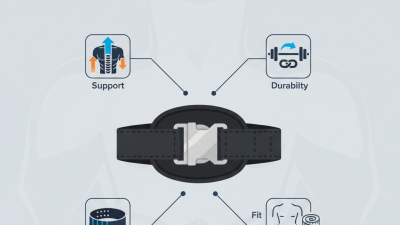
When selecting a weightlifting waist belt, several key features are essential for optimal support. One of the primary considerations is the belt's width. A wider belt often provides better coverage and stability. Research indicates that belts wider than 4 inches help distribute pressure more evenly across the abdomen. This distribution can lead to improved performance during heavy lifts, as it reduces the risk of injury.
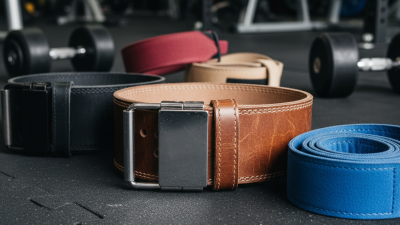
Another important feature is the material of the belt. Leather belts offer durability and stiffness, while fabric belts are generally more flexible. According to a study by the National Strength and Conditioning Association, belts that are too flexible may not provide adequate support for maximum lifts. It's crucial to find a balance between rigidity and mobility. Weightlifting belts must also have proper fastening systems. Velcro straps can be convenient but may wear out over time. Buckle systems tend to offer more reliability.
Lastly, the fit of the belt plays a significant role in its effectiveness. A poorly fitting belt can cause discomfort and hinder performance. The lower back should feel supported without being overly constricted. Remember that a good weightlifting belt should feel snug but not restrict breathing. While many lifters rely on belts for added support, it’s essential to use them wisely. Overreliance can lead to weaker core muscles over time.
Top Brands and Models of Weightlifting Waist Belts for 2026
In 2026, weightlifting waist belts have become crucial for gym enthusiasts seeking enhanced support. According to a recent industry report, more than 70% of lifters acknowledge the importance of proper lifting gear in preventing injuries. This statistic illustrates the growing awareness surrounding the biomechanics of lifting. Waist belts stabilize the core and redistribute pressure, ultimately improving performance metrics.
Top brands this year emphasize high durability and comfort. Many models utilize advanced materials that offer flexibility while maintaining firmness. Research shows that proper fitting belts can boost a lifter's performance by up to 15%. However, even with the best gear, not all lifters experience the same benefits. Individual body types and lifting techniques vary significantly. Some may feel restricted, leading to a decline in motivation.
Choosing a weightlifting belt involves more than just budget. It requires an understanding of one's lifting goals and level of experience. New lifters might encounter challenges, such as adjusting to the added support. Others might find it difficult to lift without one. As the weightlifting community evolves, so do the discussions around the effectiveness and necessity of these essential accessories. Personal reflection on one's lifting journey can greatly influence this decision.
User Reviews and Experiences with Weightlifting Waist Belts
Weightlifting waist belts can provide crucial support during heavy lifts. Many users report significant differences in their performance. The right belt helps stabilize the core. This leads to better lifting techniques and reduces the risk of injuries. But not all experiences are positive. Some find belts uncomfortable or restrictive. They may feel that the added pressure hinders their mobility.
A common concern is finding the right fit. Some users recommend measuring waist size carefully before purchasing. It’s important to ensure the belt isn’t too loose or too tight. Adjustability can also make a difference. A belt that fits well allows for a full range of motion. Many users appreciate belts crafted from durable materials. They tend to last longer and withstand heavy training sessions.
User reviews highlight the importance of personal preference. Some lifters prefer a thicker belt for added support, while others like a slimmer profile. Everyone's body responds differently. Some report improved confidence with a belt, while others feel it gives a false sense of security. Listening to your body is essential. Experimentation can help find what truly works for you.
Proper Usage and Care Tips for Weightlifting Waist Belts
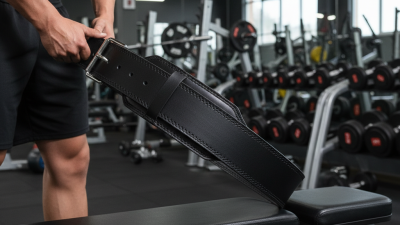
Weightlifting waist belts provide necessary support during heavy lifts. Proper usage is crucial for maximizing their benefits. Ensure the belt fits snugly around your waist. It should provide support without causing discomfort. Position the belt just above your hip bones. This placement allows for better abdominal compression.
After a workout, care for your weightlifting belt to enhance its longevity. Clean it regularly with a damp cloth. Avoid submerging the belt in water, as this can degrade the material. Store your belt in a cool place to prevent damage from the sun. If the belt begins to show wear, evaluate whether it needs replacing. Regularly check the buckle and seams for any signs of strain.
Take time to learn how to adjust the belt for various exercises. Different lifts might require different tightness levels. Listen to your body. If something feels off, reassess your technique and belt usage. Developing a thoughtful approach ensures the belt acts as a reliable ally during workouts.