Best Leather Belt for Weightlifting Benefits and Features?
When it comes to strength training, the importance of a good leather belt cannot be overstated. Most trainers agree that a quality "Leather Belt Weightlifting" is an essential tool for maximizing performance. According to a survey by the National Strength and Conditioning Association (NSCA), over 70% of serious lifters prefer leather belts for their durability and support.
Dr. Emily Martinez, a leading expert in sports medicine, states, “A well-fitted leather belt stabilizes the core. This can prevent injuries and enhance lifting capacity.” Many lifters attest to the added confidence a leather belt provides during their most challenging lifts. However, it's crucial to remember that not all belts are made equal.
Choosing the right leather belt requires consideration of thickness, width, and fit. Notably, some lifters might struggle with adjusting their belts properly. A poorly-sized belt can hinder performance rather than enhance it. A responsible choice ensures both efficiency and safety in training. Thus, investing in a quality leather belt is not just about performance; it's about longevity in the sport.

Understanding the Importance of Leather Belts in Weightlifting
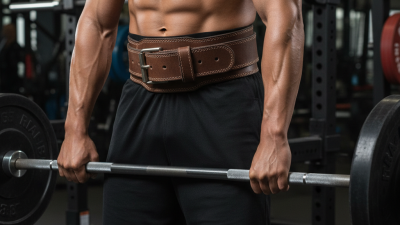
In the world of weightlifting, leather belts play a vital role in enhancing performance and safety. A study from the National Strength and Conditioning Association highlights that wearing a lifting belt can significantly increase intra-abdominal pressure. This pressure stabilizes the spine during heavy lifts, reducing the risk of injury. Many athletes report feeling more confident when using a leather belt, as it promotes proper lifting mechanics.
Not all belts are created equal. A quality leather belt provides not only support but also durability. They are generally thicker than other materials, allowing for better tension and grip. However, some lifters may find them uncomfortable initially. It’s crucial to break them in for maximum effectiveness. The thickness and stiffness can vary significantly, impacting your experience during lifts.
Despite their benefits, there are potential downsides to consider. Over-reliance on a lifting belt can weaken core muscles if not balanced with other training methods. Lifters might focus more on the belt than on proper form. Regularly assessing your use of a belt can improve your overall technique and strength. Therefore, while leather belts are beneficial, they are just one part of a comprehensive training strategy.
Key Benefits of Using Leather Belts for Weightlifting
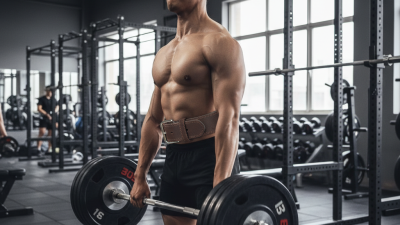
Using a leather belt during weightlifting offers numerous benefits that can significantly enhance performance. One of the main advantages is improved core stability. A study published in the Journal of Strength and Conditioning Research found that lifters using a belt generate more intra-abdominal pressure, which supports the spine and helps maintain proper form. This pressure can lead to better lifting mechanics, especially during heavy lifts, allowing athletes to push their limits safely.
Another key benefit is injury prevention. According to the National Strength and Conditioning Association, wearing a belt can reduce the risk of lower back injuries. It provides essential support during heavy lifts, reducing strain on the lumbar region. However, over-reliance on a belt can be detrimental. Lifters might neglect core strengthening exercises, leading to imbalances. Balancing the use of a belt with proper training is crucial for long-term athletic development.
Moreover, leather belts are known for their durability and support. Unlike fabric belts, leather provides a rigid foundation that can handle heavy loads. A research study indicated that lifters felt more confident and secure with a sturdy belt. This psychological boost can enhance lifting performance. However, finding the right fit is vital. An ill-fitting belt can hinder movement and lead to discomfort, impacting gym performance. Therefore, it's essential to prioritize comfort while still opting for firm support.
Benefits of Using Leather Belts for Weightlifting
Features to Look for in a High-Quality Leather Weightlifting Belt
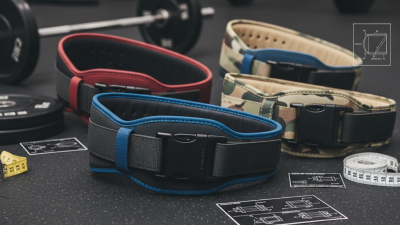
When choosing a high-quality leather weightlifting belt, certain features can significantly enhance your lifting experience. A great belt should offer exceptional support, helping to stabilize your core during heavy lifts. Look for a thickness of at least 10mm; this thickness can provide the strength needed to maintain proper form. The leather should be durable and capable of withstanding the rigors of intense training.
Comfort is crucial. A belt that fits snugly without digging into your skin will keep you focused on your workout. Padding on the inside can help prevent chafing, especially during long sessions. Adjustable options with prongs or Velcro ensure that the belt remains tight without slipping.
Proper maintenance can extend the life of your leather belt. Clean it regularly with a damp cloth and condition it with leather conditioner to prevent drying. If your belt shows signs of wear, consider repairing rather than replacing it. Reflecting on your lifting goals can also help you determine if your current belt continues to meet your needs.
Comparing Leather Belts to Other Types of Weightlifting Belts
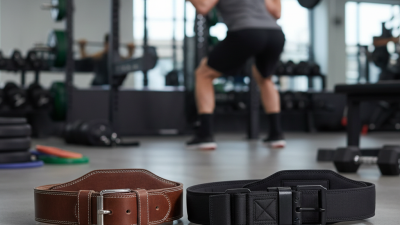
When it comes to weightlifting, choosing the right belt is crucial. Leather belts offer unique benefits compared to other options. Their sturdiness provides a solid support base. This support can enhance your lifting performance, especially during heavy lifts. Unlike fabric belts, leather belts maintain their shape. This durability helps prevent the belt from bending or twisting under pressure.
On the other hand, fabric belts are lightweight and often more comfortable. They can be easier to adjust and might be a good choice for beginners. However, they lack the firm support that a leather belt offers during maximal lifts. It is essential to weigh comfort against stability. Some lifters feel more secure using leather, while others prefer the flexibility of fabric.
Many athletes find that leather belts improve their lifting mechanics. But not everyone may feel the same comfort level. Regular practice with any belt type is key. Proper fitting also plays a role in effectiveness. A belt that is too loose won't provide sufficient support. Ultimately, personal preference dictates which type may be more beneficial for individual training styles.
Best Leather Belt for Weightlifting Benefits and Features? - Comparing Leather Belts to Other Types of Weightlifting Belts
| Feature |
Leather Belt |
Fabric Belt |
Neoprene Belt |
Elastic Belt |
| Stability |
High |
Medium |
Medium |
Low |
| Durability |
High |
Medium |
Medium |
Low |
| Comfort |
Moderate |
High |
High |
Very High |
| Support Level |
Excellent |
Good |
Good |
Fair |
| Flexibility |
Low |
High |
High |
Very High |
| Price Range |
$$$ |
$ |
$$ |
$ |
How to Properly Use a Leather Belt for Maximum Efficiency in Lifting
When using a leather belt for weightlifting, proper technique is vital. A well-fitted belt can support your core during heavy lifts. Position the belt around your waist, just above your hip bones. It should feel snug but not painfully tight. You need to ensure it doesn't restrict your breathing. Take a deep breath and expand your abdomen against the belt.
Engaging your core is essential. Before lifting, brace your core by tightening your abdominal muscles. This helps create intra-abdominal pressure, stabilizing your spine. If this feels uncomfortable or ineffective, reassess your belt's fit. A loose belt may offer little support, while an overly tight belt can hinder performance.
Experiment with different tightening techniques to find what works best for you. Some lifters prefer to tighten their belts just before a lift. Others may keep it snug throughout their workout. Reflect on your performance and adjust your approach. Always prioritize safety and listen to your body’s signals. Using a leather belt effectively can enhance your lifting experience if done correctly.