How to Choose the Best Fitness Knee Sleeves for Support?
Choosing the right Fitness Knee Sleeves can be crucial for anyone engaged in physical activity. Renowned sports physiotherapist Dr. Jane Smith emphasizes, “The right support can make all the difference in injury prevention.” This statement highlights the importance of selecting the best sleeves tailored to fit your needs.
Fitness Knee Sleeves are designed to provide support and stability during workouts. With various options available, finding the perfect fit may seem overwhelming. It's important to consider factors such as compression level, material, and size. Each individual’s requirements may vary, and understanding personal needs is essential for making an informed decision.
A common mistake is prioritizing price over quality. While budget considerations matter, investing in high-quality sleeves can enhance performance and protection. Reflecting on personal experiences can guide you in making the right choice. Remember, your knees deserve the best care to support your fitness journey.

Understanding the Importance of Knee Support for Fitness Activities
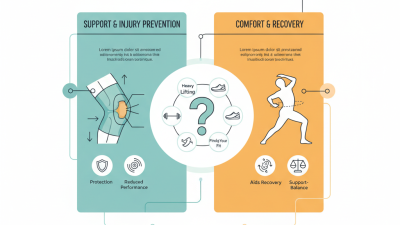
When engaging in fitness activities, knee support is crucial. Proper knee support can reduce the risk of injury. According to a report from the Journal of Strength and Conditioning Research, around 25% of all injuries in sports involve the knees. A knee sleeve provides compression that can stabilize the joints. This stabilization can help in absorbing the impact during exercises like squats or running.
Understanding how much support your knees need is key. The American Physical Therapy Association suggests that knee sleeves can enhance proprioception, which is your body’s awareness of joint position. This heightened awareness helps prevent mishaps during dynamic movements. Additionally, a study published in the Journal of Sports Medicine indicates that athletes using knee sleeves reported lower levels of pain during workouts.
However, not all knee sleeves are created equal. Some may feel too tight, leading to discomfort. Others may not provide enough compression for serious support. It's essential to pay attention to how your body responds. Listening to your body can guide you in finding the right fit for stability and comfort during your fitness routine.
Impact of Knee Support on Fitness Performance
Key Factors in Selecting the Right Knee Sleeves for Your Needs
Choosing the right fitness knee sleeves requires careful consideration of various factors. One key aspect is material. Compression fabrics can enhance blood circulation and reduce swelling. According to a report by the American Journal of Sports Medicine, proper compression can improve recovery times by about 30%.
Another important factor is the level of support. Look for knee sleeves that provide adequate stabilization without hindering movement. A study published in the Journal of Orthopedic Research suggests that knee sleeves with targeted support can significantly reduce the risk of injuries during high-intensity workouts.
Tips: Prioritize fit and comfort. A sleeve that slips or constricts too much can be counterproductive. Always measure your knee circumference to find the right size. Test the sleeve with some light exercises before committing fully. Remember, there's no "one-size-fits-all." It's not uncommon to try multiple options before finding the perfect fit. Pay attention to how your knees feel during and after workouts to guide your decision-making.
Evaluating Material Types: Neoprene, Spandex, and Compression Fabrics
Choosing the right material for fitness knee sleeves is crucial for effective support. Three popular options are neoprene, spandex, and compression fabrics. Each material offers unique benefits and limitations that should be considered based on individual needs.
Neoprene is known for its durability and heat retention. It helps keep the knee warm during workouts, which can reduce the risk of injury. A study by the Journal of Sports Medicine states that warmth can enhance muscle recovery. However, neoprene can trap moisture, leading to discomfort during extended use.
Spandex offers flexibility and comfort. It fits snugly around the knee, allowing for a full range of motion. However, it may not provide as much support as neoprene. The American Journal of Sports Science notes that while spandex aids mobility, excessive flexibility can compromise joint stability in high-impact activities.
Compression fabrics offer a middle ground, combining support and breathability. These materials enhance blood circulation, potentially speeding up recovery times. A report from the Journal of Sports Rehabilitation indicates that effective compression can reduce swelling after exercise. Nevertheless, finding the right level of compression is subjective and may require trial and error to determine the perfect fit.
Assessing Fit and Sizing for Optimal Performance and Comfort
When selecting fitness knee sleeves, fit and sizing are critical for support and comfort. A perfect fit ensures that the sleeves provide the necessary compression, reducing the risk of injury. Sleeves that are too tight can restrict blood flow, while those that are too loose may slip during workouts, leading to insufficient support.
To find the right size, measure the circumference of your knee and refer to sizing charts. Many brands offer guidelines to help you choose correctly. Remember, different shapes and sizes of knees require different fits. Regularly assess your fit, as weight changes or muscle gains may affect sizing over time.
Tips: Look for flexible materials that allow for movement. This can improve comfort during different exercises. Pay attention to the thickness of the material as well; thicker options often provide more support but may be bulkier. Also, consider trying on sleeves before purchasing, if possible. This ensures they fit well when you engage in activity. Testing them during a light workout can also help identify if adjustments are needed. Reassess your choice if discomfort arises; your comfort during workouts is vital for maintaining an effective fitness routine.
How to Choose the Best Fitness Knee Sleeves for Support?
| Size |
Knee Sleeve Length (inches) |
Circumference (inches) |
Material |
Compression Level |
Usage Type |
| Small |
12 |
12-14 |
Neoprene |
Medium |
Weightlifting |
| Medium |
12.5 |
14-16 |
Elastic |
High |
Running |
| Large |
13 |
16-18 |
Spandex |
Light |
Everyday Support |
| X-Large |
13.5 |
18-20 |
Neoprene |
Medium |
Rehabilitation |
Identifying Reputable Brands and Expert Recommendations in the Market
When choosing fitness knee sleeves, it's crucial to consider the credibility of the brands. Look for companies with a history of producing quality products. Research customer reviews and expert opinions to ensure you select a reliable option. Many fitness enthusiasts rely on recommendations from professionals in physical therapy and sports medicine. Their insights can guide you towards sleeves that provide true support and durability.
Tips: Assess the materials used in knee sleeves carefully. Neoprene is often favored for its comfort and flexibility, yet some users may find it too warm. Explore alternatives like breathable mesh, which can enhance airflow during workouts.
Keep in mind the sizing chart provided by the manufacturer. An ill-fitting sleeve may not offer the necessary support. Each brand may have different sizing standards, which could lead to confusion. It’s wise to measure your knee circumference accurately before purchasing.
Lastly, consider the level of compression you need. Some may prefer more rigid sleeves for stability, while others might want lighter support during activities. Test different levels and reflect on what feels best during your workouts.