How to Choose the Best Gym Weightlifting Belt for Maximum Support?
When it comes to weightlifting, the right equipment can make a significant difference. One essential piece is the Gym Weightlifting Belt. This belt provides crucial support and stability during heavy lifts. Choosing the best belt requires understanding its benefits and features.
A well-chosen Gym Weightlifting Belt enhances performance and reduces injury risk. It acts like a strong foundation, allowing lifters to push their limits safely. However, not all belts are created equal. Some may be too stiff, while others might not fit properly.
Reflecting on your needs is essential. Consider your lifting style, body type, and personal preference. Trying different options can help you find the perfect fit. Your journey with a Gym Weightlifting Belt is personal. It should enhance your workouts, not hinder them. Take the time to choose wisely.
Understanding the Importance of a Weightlifting Belt for Support
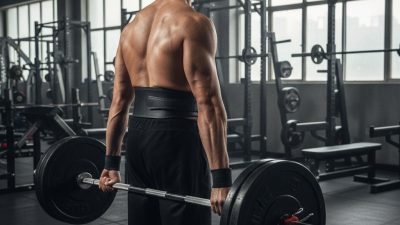
A weightlifting belt provides essential support during heavy lifts. It stabilizes your core and reduces the risk of injury. When you lift weights, your abdomen exerts pressure. A belt helps maintain this pressure, which protects your spine. This protection is vital for both beginners and seasoned lifters.
Tips: Test the fit. A belt should feel snug but not overly tight. This balance is crucial for effective support. Also, consider the width of the belt. A wider belt provides more support but may restrict movement.
Many lifters skip using a belt for lighter weights. However, this is often a mistake. Using a belt consistently can enhance overall performance. It teaches your body to maintain proper posture. Reflect on your lifting habits. Are you relying too much on your strength and not enough on supportive gear? Adjust your approach for better results.
Key Features to Look for in a Quality Weightlifting Belt
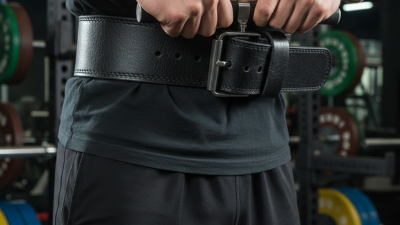
Choosing the right weightlifting belt can significantly impact your performance. Focus on a few key features to ensure you get the best support. A quality belt should ideally be made from durable materials like leather or nylon. This ensures longevity and withstands heavy lifts.
Width is equally important; a belt that is at least 4 inches provides adequate support for your back and core.
When selecting a weightlifting belt, consider the closure system. Buckle or lever systems can offer different levels of security and ease of use. A belt that can be adjusted easily helps in securing the right tightness for your lifts. Remember, a belt that is too loose won't provide the necessary support.
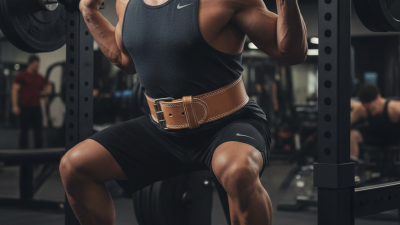
Tips: Always try on the belt before purchasing. Ensure it fits snugly without digging into your skin. Test its comfort level during movements like squats or deadlifts. Reflect on how the belt supports your body during these exercises. Pay attention to how different designs feel, as personal preference plays a big role. Choosing the right weightlifting belt is not just about looks; it’s about performance.
Types of Weightlifting Belts and Their Specific Uses
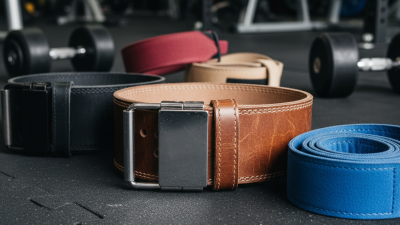
Selecting the right weightlifting belt can enhance your performance significantly. Different types of belts serve various purposes in weight training. One popular type is the leather belt, known for its durability and firmness. It's excellent for heavy lifts, providing superior support to the lower back. According to the National Strength and Conditioning Association (NSCA), properly using a leather belt can increase your lift capacity by up to 10%.
Neoprene belts are another option. These belts are lighter and more flexible than leather ones. They are often favored by beginners and those who perform high-rep workouts. The flexibility makes them comfortable during intense training sessions. However, they might not provide the same level of support in maximal lifts.
Lastly, there are Olympic lifting belts. These are typically more rigid and provide a tight fit. They offer necessary abdominal pressure, which is crucial for explosive lifts. The International Weightlifting Federation notes that using a belt in Olympic lifts can enhance stability. However, relying too much on a belt can lead to negative effects, such as weaker core muscles. Balance is key in your training approach.
How to Properly Fit and Adjust Your Weightlifting Belt
When choosing a weightlifting belt, proper fit and adjustment are key for maximizing support. A belt that is too loose will not provide adequate stability. A belt that is too tight can hinder your lifting technique and cause discomfort. To find the right size, measure your waist at the navel level. Refer to a fitting guide for the brand-specific measurements.
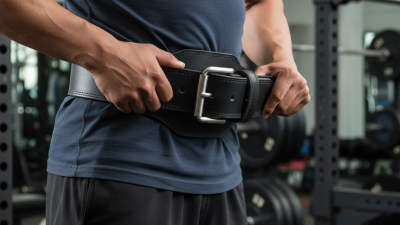
Once you have your belt, wear it just above your hips. It should sit snugly without digging into your skin. When adjusting, ensure it supports your lower back while allowing for proper breathing. A well-fitted belt helps build intra-abdominal pressure, enhancing safety during heavy lifts. It’s also important to try different positions; some prefer the belt higher, while others feel more comfortable lower.
Pay attention to how your body responds as you lift. If you feel restricted, reevaluate the fit. Find a balance between support and comfort. A belt isn’t a one-size-fits-all solution; each lifter’s needs may vary. Reflect on your experiences with the belt as you adjust. This process can take time and experimentation. Your confidence and performance will improve with the right adjustments.
Weightlifting Belt Support Ratings
This chart displays the support ratings of various aspects to consider when choosing a weightlifting belt. The metrics included are Comfort, Stability, Durability, Thickness, and Price, rated on a scale from 1 to 10.
Maintenance Tips for Prolonging the Life of Your Weightlifting Belt
Maintaining your weightlifting belt is crucial for its longevity. Regular cleaning can prevent sweat and grime from degrading the material. Wipe down the surface after each use. Use a damp cloth and mild soap. Allow it to air dry fully. Avoid direct sunlight, as it can cause the materials to crack over time.
Store your belt properly when not in use. Hang it up or lay it flat. Rolling it tightly can distort its shape. Check for signs of wear. Look for frayed edges or loose stitching. Address these issues early to avoid injuries. A well-maintained belt ensures optimal support during lifts.
Consider the conditions in which you train. Excess moisture can damage the belt. If you train in a humid environment, consider more frequent cleaning. Reflect on your training habits. Are you using your belt correctly? Over-reliance can weaken your core. Strive for balance in your training routine. Balancing strength and support is key.
How to Choose the Best Gym Weightlifting Belt for Maximum Support? - Maintenance Tips for Prolonging the Life of Your Weightlifting Belt
| Feature |
Description |
Maintenance Tips |
Lifespan Expectancy |
| Material |
Leather vs. Nylon - Leather provides better support but may require more care. |
Regularly condition leather belts; clean nylon with mild soap. |
2-10 years depending on usage. |
| Width |
Standard width is 4 inches for optimal support. |
Ensure the belt is not overly flexible; replace if deforming. |
3-7 years. |
| Size |
Choose based on waist measurement for a snug fit. |
Adjust properly before each use to avoid injury. |
Varies greatly based on care and fit. |
| Closure System |
Prong vs. Velcro: prong offers better security for heavy lifts. |
Inspect closure for wear; replace if it no longer secures effectively. |
3-5 years for Velcro; longer for prong systems. |
| Color Options |
Available in various colors, but functionality is primary. |
Keep clean to prevent fading; avoid harsh detergents. |
Color does not affect lifespan; focus on material quality. |