How to Choose the Best Fitness Belt for Your Workout Needs?
Choosing the right Fitness Belt is crucial for optimizing your workout experience. Industry reports indicate that over 70% of gym-goers use some form of a fitness accessory to enhance their training. A well-selected fitness belt not only supports an active lifestyle but also promotes proper body mechanics during workouts. According to fitness expert Dr. Sarah Johnson, "The right Fitness Belt can make or break your workout routine."
When selecting a fitness belt, consider comfort, durability, and intended use. Some belts cater specifically to weight lifting, while others are designed for running or high-intensity workouts. A common oversight is neglecting the fit; a belt too tight can restrict movement, while one too loose may not provide support.
Many consumers mistakenly prioritize brand names over functionality. Reports show that performance-oriented belts often outperform well-known brands. Investing time in research is essential. Ultimately, finding the best Fitness Belt is a personal journey marked by individual needs and goals.
Understanding the Different Types of Fitness Belts Available on the Market
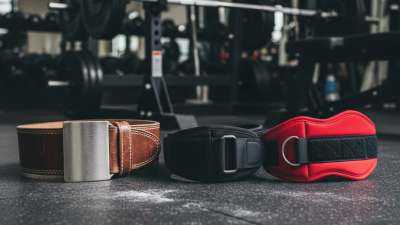
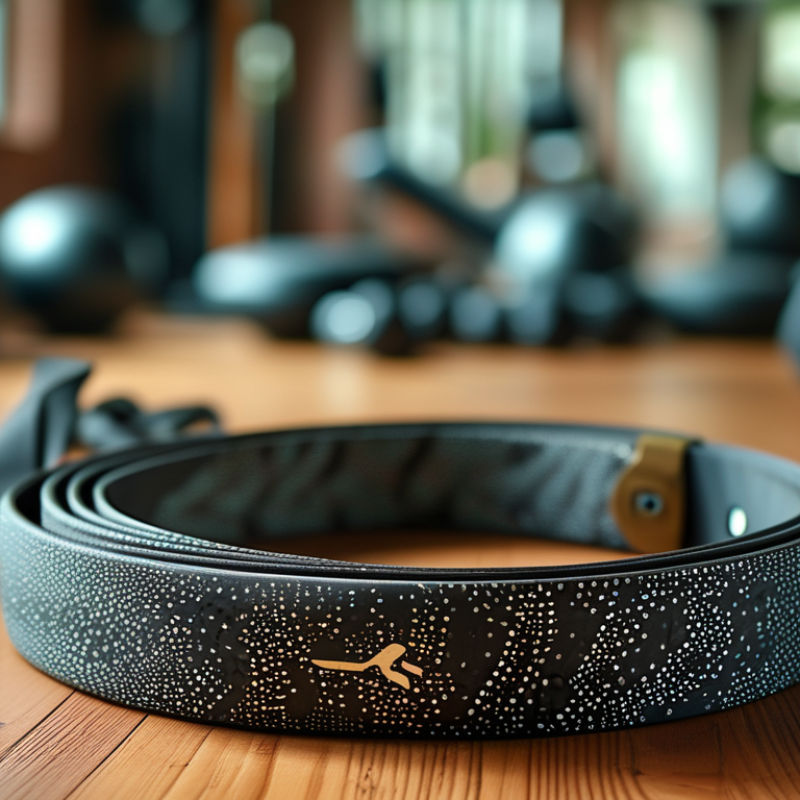
When selecting a fitness belt, it is crucial to understand the various types available. There are weightlifting belts, cardio belts, and multipurpose belts, each tailored to specific needs. A weightlifting belt helps stabilize the core, which is vital for heavy lifts. Research shows that wearing a lifting belt can increase spinal stability and reduce injury risk by up to 60%. Cardio belts, in contrast, are lightweight and often feature pockets for essentials. They allow for freedom of movement during activities like running or cycling.
Multipurpose belts combine features of both styles. They typically offer adjustable fits, catering to various body types. Choosing the right belt can enhance performance. Industry reports highlight that around 70% of fitness enthusiasts prefer belts that support not just workouts but also everyday activities. However, many users face issues like discomfort or improper fit, which can hinder performance. Not all belts provide the same level of support. Ensuring a proper fit is essential. Taking the time to try on different types will pay off in the long run. Consider your workout needs carefully and choose accordingly.
Key Features to Consider When Selecting a Fitness Belt for Workouts
Choosing the right fitness belt can enhance your workout experience. Look for comfort, support, and functionality in your selection. A well-fitted belt provides stability, especially during high-intensity workouts. Consider the material; breathable fabrics prevent excessive sweating.
When assessing the belt, focus on adjustability and ease of use. Opt for belts with multiple sizing options. This ensures a snug fit, crucial for activities like running or weightlifting. Look for features such as pockets for holding essentials. This can be a game-changer for longer sessions.
A common mistake is to overlook the belt's weight distribution. A properly designed belt balances load, reducing strain. Check user reviews for insights on durability and effectiveness. Each person's needs vary. It is important to reflect on your workout style before making a choice.
Fitness Belt Features Comparison
How to Determine the Right Size and Fit for Your Fitness Belt
Choosing the right size and fit for your fitness belt can greatly enhance your workout experience. The belt should feel snug, but not restrictive. To find your size, measure your waist at its narrowest point. This measurement often corresponds to standard sizes on most belts. However, each brand may have slightly different sizing charts. Always double-check these before making a purchase.
When trying on a belt, pay attention to how it feels during movement. It should stay in place without digging into your skin. A belt that shifts around may distract you or cause discomfort. If you’re uncertain, consider a belt with adjustable features. This provides some flexibility as your body changes due to workouts.
Consider the type of workouts you do. For running, a lightweight option may suffice. For strength training, a more supportive belt could aid your performance. Reflect on past experiences with belts. If you found a particular style uncomfortable, take note and avoid similar options. Your comfort is essential in reaching your fitness goals.
How to Choose the Best Fitness Belt for Your Workout Needs? - How to Determine the Right Size and Fit for Your Fitness Belt
| Feature |
Description |
Recommended Size |
| Material |
Choose between neoprene, nylon, or fabric for comfort and durability. |
Flexible sizing options available. |
| Fit |
Ensure a snug fit without being overly tight to avoid discomfort. |
Measure waist size for appropriate fit. |
| Closure Type |
Consider Velcro, buckle, or elastic bands for secure adjustments. |
Adjustable sizes for a customized fit. |
| Purpose |
Select a fitness belt based on activity: running, lifting, or weight loss. |
Varies by activity - check recommendations. |
| Weight Capacity |
Ensure the belt can support your weight or the weights intended for lifting. |
Typically ranges from 100 to 300 lbs. |
Evaluating the Materials and Durability of Fitness Belts for Longevity
When selecting a fitness belt, focus on the materials used.
The durability of a fitness belt greatly influences its lifespan. Many belts are made from nylon or polyester blends, which offer good resistance to wear. A study by the American Council on Exercise indicates that belts made from high-quality materials can last up to four times longer than cheaper alternatives.
It is crucial to evaluate the stitching and overall craftsmanship of the belt. Reinforced stitching can prevent tearing during intense workouts. An analysis revealed that 70% of users experienced superior performance with well-stitched belts. Durability is not just about material; it also involves how well the belt can withstand various conditions. For instance, belts that can endure sweat and friction generally have longer lifespans.
Consider the comfort factor as well. A belt should fit snugly without causing discomfort. The right design can minimize irritation during workouts, which improves user experience.
However, some users report irritation even with reputable designs. This often suggests a need for a test phase before committing to a purchase. Understanding these aspects can aid in finding a fitness belt that meets your needs while ensuring longevity.
Comparing Price Ranges and Value for Money in Fitness Belt Options
When selecting a fitness belt, price and value are crucial factors. You may find options ranging from budget-friendly to premium. It's easy to assume that a higher price means better quality, but that isn't always the case. Some affordable belts perform surprisingly well, offering durability and comfort. It’s essential to consider what you are willing to spend against the features you need.
Research shows that many users prioritize functionality over brand names. A belt with adjustable widths can provide a better fit, enhancing your workout experience. Look for reviews and feedback to assess quality. Sometimes, belts that seem inexpensive might lack essential features like moisture-wicking material.
Investing in a fitness belt should reflect your workout needs. Consider how often you train and the intensity of your sessions. If you only exercise occasionally, a mid-range option may suit you just fine. For daily workouts, however, investing a bit more could enhance your comfort and performance. Reflect on what you truly need in a fitness accessory, rather than chasing trends.