What is Fitness Waist Support and How Does It Work?
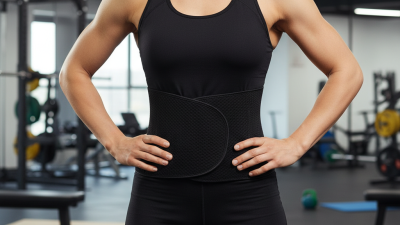
Fitness waist support is gaining popularity among fitness enthusiasts. This supportive gear aims to enhance performance and alleviate discomfort during workouts. According to Dr. Emily Carter, a renowned fitness specialist, "Fitness waist support helps stabilize the core and improve posture." Her insights reflect the importance of this equipment in today’s fitness landscape.
Many athletes use fitness waist support to prevent injuries. The support provides compression to the lower back, encouraging a better alignment during exercises. However, it is crucial to choose the right type based on individual needs. A poorly fitted support may do more harm than good. Individuals often overlook this fact, leading to discomfort instead of relief.
Understanding how fitness waist support works requires careful consideration. The material should also promote breathability, as workouts can lead to excessive sweating. Too often, people focus solely on aesthetics rather than functionality. Reflecting on these details can help users make informed decisions. Choosing well can enhance workout efficiency and overall health.
What is Fitness Waist Support? Definition and Overview
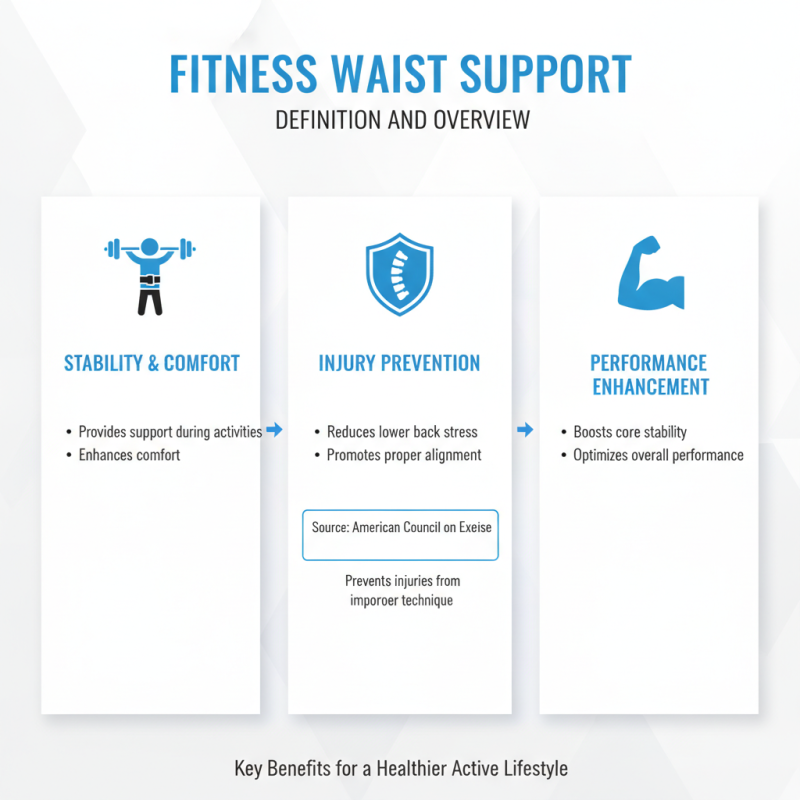
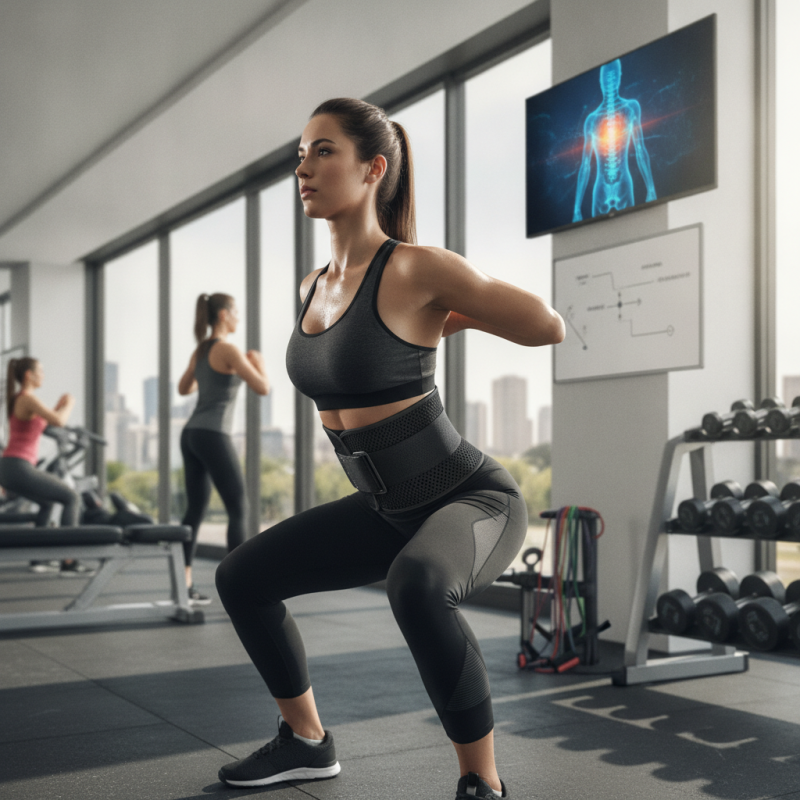
Fitness waist support is designed to provide stability and comfort, particularly during physical activities. This support mechanism helps to prevent injuries and enhances overall performance. According to research published by the American Council on Exercise, a significant percentage of injuries stem from improper technique and insufficient core stability. By integrating waist support, individuals can achieve better alignment and reduce undue stress on their lower back.
The benefits of fitness waist support extend to both beginners and seasoned athletes. A study conducted by the National Institute of Health highlighted that 74% of users reported improved exercise performance and reduced discomfort while using waist support. These supports often include features such as adjustable compression and flexible materials, allowing for personalized comfort. However, some users may find themselves overly reliant on these supports, leading to weaker core muscles over time. Balancing their use is essential for maintaining core strength.
Additionally, the effectiveness of waist support can vary widely among individuals. Factors such as body type, exercise intensity, and duration of use contribute to differing results. It's crucial for users to monitor their body's response and adjust accordingly. Engaging in core strengthening exercises alongside the use of waist support can enhance overall effectiveness and promote long-term health benefits.
The Anatomy of Waist Support: How It Functions During Physical Activity
Waist support is designed to enhance stability during physical activity. It acts like a brace, reinforcing the core muscles. This support can help prevent injuries and improve performance. By providing compression, it encourages better blood flow to the area. This is key for athletes during intense workouts.
The anatomy of waist support involves various materials that offer both rigidity and flexibility. These materials adjust to body movements while maintaining support. Many are breathable, allowing for comfort during exercise. As the body bends and twists, the waist support adapts, giving a sense of security. However, not every individual may find these supports equally effective. Personal comfort varies widely among users.
When wearing a waist support, it’s essential to pay attention to how it feels. Some may experience discomfort after extended use. Thus, it’s important to monitor your body’s feedback. Over-reliance on support can lead to weakened core muscles. Finding the right balance is crucial for long-term fitness. Ultimately, listening to your body will guide better choices.
Types of Fitness Waist Supports: Belts, Wraps, and Corsets Explained
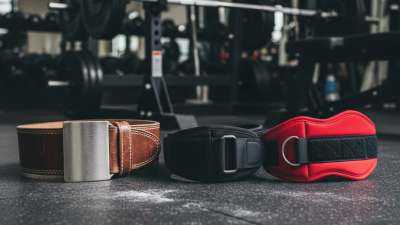
Fitness waist supports come in various forms, including belts, wraps, and corsets. Each type serves a unique purpose and caters to different needs. Belts are often made from sturdy materials that provide firm support during exercise. They help stabilize the core and lower back. This can prevent injuries and enhance performance. However, improper use may lead to discomfort. Users should focus on the correct size and fit.
Wraps, on the other hand, are more versatile. They’re lightweight and adjustable, making them suitable for various activities. Whether you’re lifting weights or practicing yoga, wraps allow for mobility. They can foster a sense of security. But wraps might not provide the same level of support as belts. It's important to assess individual requirements before choosing.
Corsets are another option. They tend to offer significant compression. This can help improve posture and create an hourglass figure during workouts. However, over-reliance on corsets may hinder natural body movements. Users can feel restricted and may struggle with breathing. It’s vital to balance fashion and function when selecting any waist support. Each type has its advantages and challenges, requiring careful consideration.
Fitness Waist Support Types and Their Popularity
Benefits of Using Waist Support: Performance Enhancement and Injury Prevention
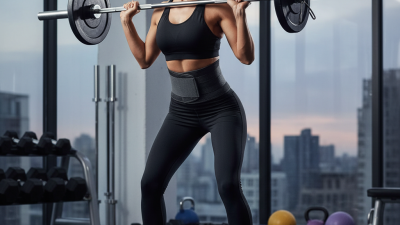
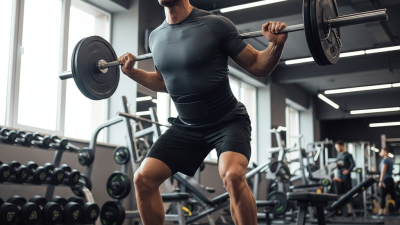
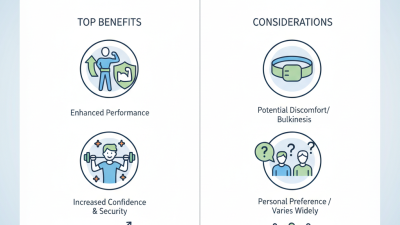
Fitness waist support is becoming popular among athletes and fitness enthusiasts. This support can enhance performance by providing stability to the core. A well-supported waist allows for better movement and strength during workouts. It also helps maintain proper posture, which can lead to more effective exercise execution.
In terms of injury prevention, waist support is crucial. It can reduce the risk of strains by limiting excessive movement in the lumbar region. This is particularly beneficial during high-intensity workouts. However, relying solely on waist support might foster a sense of overconfidence. Some may neglect core strengthening exercises if they depend too much on the support. It's important to balance using support with building strength naturally.
Wearing waist support can also remind users to be mindful of their movements. This awareness can improve technique and reduce the likelihood of injury. While it offers physical benefits, users should reflect on their training habits. Continuous reliance on support can lead to weakness in the core muscles over time. Understanding when to use waist support, and when to strengthen the body naturally, can lead to better results and a healthier fitness journey.
Expert Opinions: Research and Data on Effectiveness of Waist Supports
Waist supports have gained popularity among fitness enthusiasts. Experts highlight their benefits in stability and support. Research indicates that these supports can alleviate discomfort during workouts. They assist in maintaining proper posture, which is crucial for preventing injuries. Studies show that many athletes experience reduced lower back strain while using waist supports.
Tips: When considering a waist support, choose one that fits snugly but allows movement. Over-reliance on a waist support may weaken core muscles. Balance its use with core-strengthening exercises for optimal results.
Data from various studies underscore the effectiveness of these supports. Many professionals recommend them for specific activities, like weightlifting. However, not everyone experiences the same level of benefit. Some users report discomfort or find them restrictive. It’s important to listen to your body and adjust usage accordingly.