Top Leather Weightlifting Belts for Enhanced Performance and Safety?
In the world of strength training, the right equipment can make a significant difference. Leather weightlifting belts have gained popularity among athletes for their durability and support. According to a recent study by the National Strength and Conditioning Association, using a weightlifting belt can improve lifting performance by up to 15%. This is due to the added intra-abdominal pressure, which stabilizes the spine during heavy lifts.
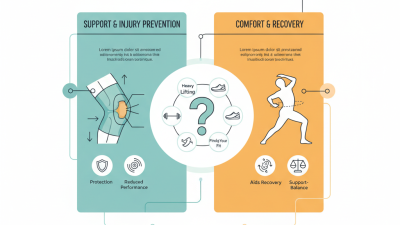
However, not all leather weightlifting belts are created equal. Selecting the right belt is crucial to ensure safety and performance. Many belts fail to provide proper support or can cause discomfort. Inadequate fit or improper usage can lead to injury. Therefore, understanding the features that contribute to a high-quality belt is essential for athletes seeking to enhance their performance.
Experts recommend considering factors like thickness, width, and buckle design when choosing a leather weightlifting belt. These elements have a direct impact on the belt's effectiveness. While more expensive options often provide better quality, it is important to balance cost with the specific requirements of your training style. Informed choices lead to better results and can improve confidence in lifting.
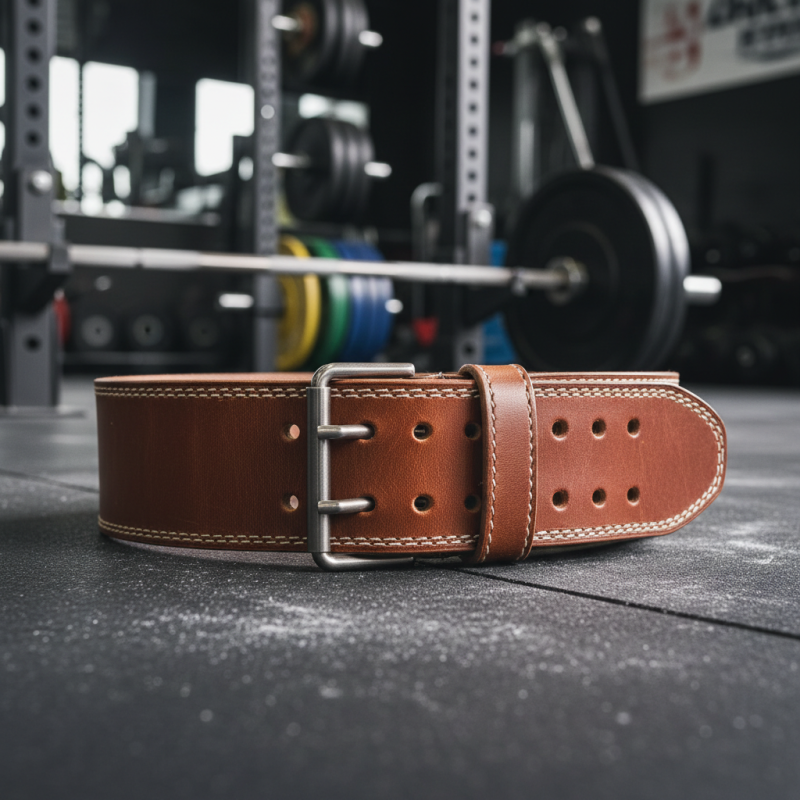
Top Leather Weightlifting Belts: A Comprehensive Guide
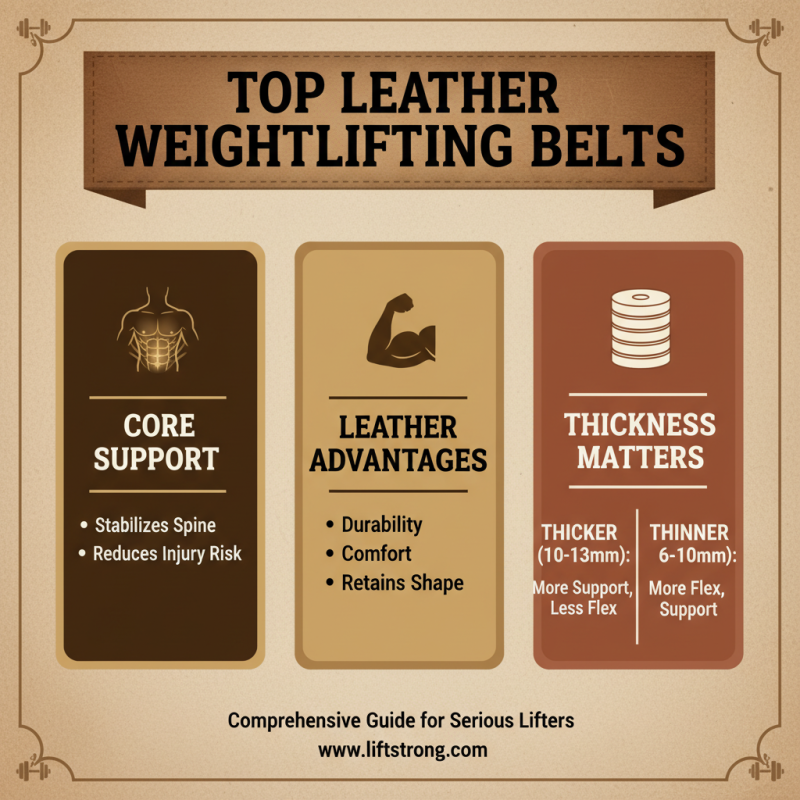
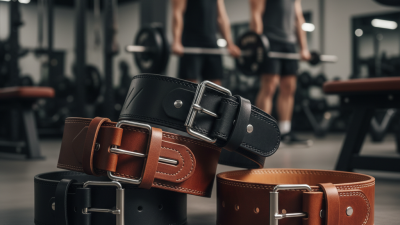
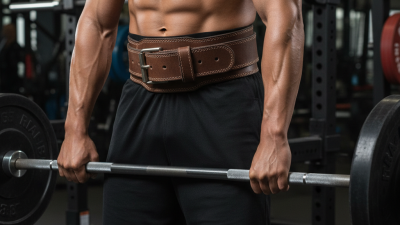
Weightlifting belts are essential for serious lifters. They provide crucial support, stabilizing the core during heavy lifts. Leather belts are popular for their durability and comfort. A well-made leather weightlifting belt holds its shape, ensuring consistent support. The thickness of the belt matters. Thicker belts can offer more support but may feel less flexible.
Choosing the right leather weightlifting belt is not easy. Many athletes face challenges in finding the perfect fit. It should fit snugly around the waist without causing discomfort. If the belt is too loose, it won’t provide the necessary support. If it’s too tight, it can restrict breathing and movement. Exploring different sizes and styles is vital.
Over time, a leather belt may wear out. Regular maintenance is critical. Cleaning it helps prolong its life. Conditioning the leather prevents it from cracking. These small steps can save money in the long run. While they may require more care than synthetic belts, the benefits of a leather belt often outweigh the drawbacks.
Understanding Leather Types: Full Grain vs. Top Grain for Belts
When selecting a leather weightlifting belt, understanding the type of leather is crucial. Full grain leather is the highest quality, known for its durability and breathability. It retains the natural grain and character of the hide, making it incredibly strong. This leather type also ages well, developing a unique patina over time. However, it can be pricey and may feel stiff initially, requiring a break-in period.
Top grain leather is slightly lower in quality but still offers great functionality. It is sanded and treated, giving it a smoother appearance. While it may not be as durable as full grain, top grain belts are often more flexible. This flexibility can be beneficial for those seeking immediate comfort. Keep in mind, though, that this type may wear faster and not develop the charming flaws of full grain.
Tips: Check the stitching on the belt. Strong, even stitches indicate quality craftsmanship. When trying on, ensure a snug fit without being overly tight. Finally, don’t rush the decision; consider both types thoroughly. You'll want a belt that enhances your performance while ensuring safety in your lifts.
Key Features of Leather Weightlifting Belts for Optimal Performance
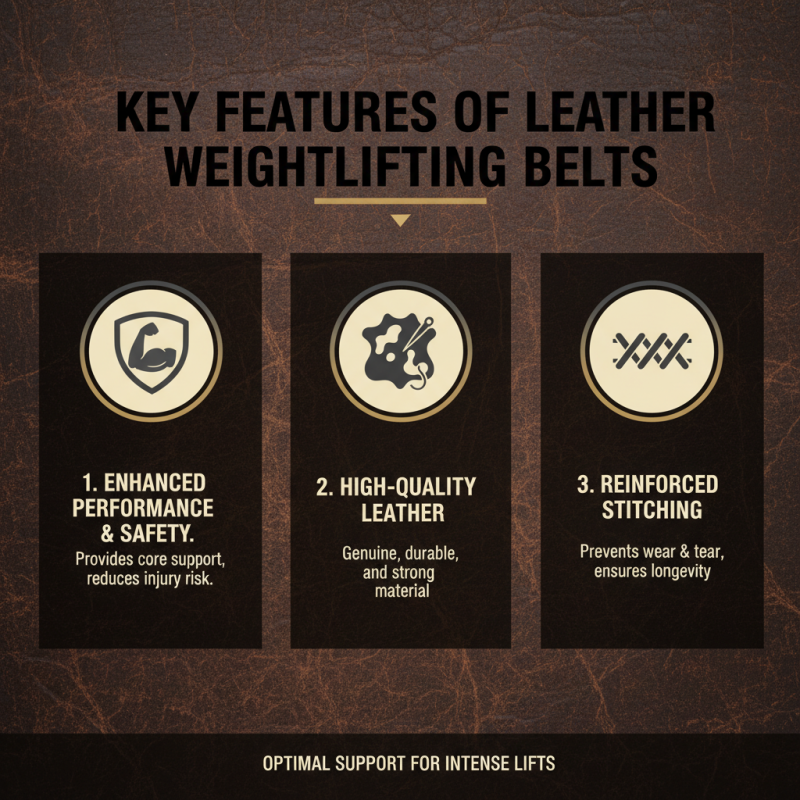
Choosing the right leather weightlifting belt can significantly enhance your performance and safety during workouts. When selecting a belt, look for high-quality leather construction. Genuine leather provides durability and strength, ensuring it withstands intense lifting sessions. A well-stitched belt aids in preventing wear and tear, making it a reliable choice over time.
Fit is another critical aspect. A properly sized belt should offer support without limiting your movement. It should sit comfortably around your waist. An adjustable buckle allows for a customized fit, enhancing your stability during lifts.
Tips: Measure your waist accurately before choosing a size. If you're between sizes, consider sizing up for comfort. Also, ensure that the belt's width matches your lifting style. A thicker belt is often better for heavy lifts, while a thinner option may suit lighter training sessions.
Pay attention to the belt's thickness and rigidity. A thicker belt offers better support but can take time to break in. If you opt for a stiffer model, give yourself time to adjust. Remember, comfort during lifts is crucial; don’t force yourself into an uncomfortable situation. Balancing safety and performance is essential.
How to Choose the Right Weightlifting Belt Size for Safety
When it comes to choosing a weightlifting belt, size is crucial for both performance and safety. A belt that is too tight may restrict movement, while one that is too loose won't provide essential support. To find the right size, measure your waist around the area where you plan to wear the belt. Adding a few inches can help account for clothing and support. This ensures a snug, comfortable fit without unnecessary pressure.
Consider the belt's width and thickness as well. A thicker belt often provides more support but may feel cumbersome at first. Experimenting with different styles can help you find what works best for your body. Remember that your lifting routine may change over time, affecting how the belt fits. Listening to your body is essential. If discomfort arises, reassess the size. A proper fit can contribute significantly to your lifting capabilities and overall safety.
Top Leather Weightlifting Belts for Enhanced Performance and Safety
This bar chart evaluates various characteristics of leather weightlifting belts that enhance performance and safety. Each criterion is rated on a scale from 1 to 10, reflecting their importance in choosing the right weightlifting belt.
Industry Standards for Leather Weightlifting Belts: What to Know
When selecting a leather weightlifting belt, understanding industry standards is crucial. A good belt should be made from high-quality leather. This material offers durability and support during intense lifts. Verify that the thickness is at least 10 mm, as it ensures proper stabilization. Many belts fail to meet this basic requirement.
Additionally, the width of the belt plays a role in performance. A standard width is around 4 inches. This provides adequate coverage and support for the lower back. Some belts taper at the front. This design enhances comfort without compromising support. Always check the stitching quality too. Poor stitching can lead to belt failure during use.
Choosing a weightlifting belt requires thoughtful consideration. Evaluate how it feels during workouts. A quality belt should snugly fit without being restrictive. A belt that is too tight can impede movement. On the other hand, too loose can lead to injury. It is essential to find a balance. Prioritize safety and performance when selecting the right equipment.
Top Leather Weightlifting Belts for Enhanced Performance and Safety
| Belt Type |
Width |
Thickness |
Weight Capacity |
Material Quality |
Price Range |
| Single Prong Belt |
4 inches |
10 mm |
600 lbs |
Premium Leather |
$80 - $120 |
| Double Prong Belt |
4 inches |
13 mm |
700 lbs |
Full Grain Leather |
$100 - $150 |
| Lever Belt |
4 inches |
10 mm |
800 lbs |
Nuba Leather |
$90 - $140 |
| Suede Belt |
3 inches |
8 mm |
500 lbs |
Suede Leather |
$70 - $110 |