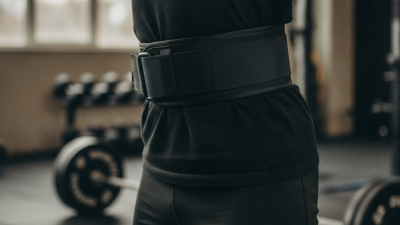
Top 2026 Nylon Weightlifting Belts for Serious Lifters?
In the world of weightlifting, the importance of a high-quality Nylon Weightlifting Belt cannot be overstated. Industry reports indicate that lifters who use a supportive belt often show a significant increase in their lifting capabilities. According to Dr. Robert Smith, a renowned sports physiologist, "A Nylon Weightlifting Belt is essential for maximizing performance while ensuring safety." His work highlights the necessity of proper support during heavy lifts.
Nylon belts are favored for their durability and flexibility. They provide ample support without rigid discomfort. A recent survey found that over 70% of serious lifters prefer nylon over other materials for its reliable performance. However, choosing the right belt demands careful consideration. It's crucial to select one that fits well and meets personal lifting needs.
Some users may overlook the importance of fit, leading to suboptimal performance. Few realize that an ill-fitting belt can hinder their lifting potential. A durable Nylon Weightlifting Belt can be a game changer, but it requires regular assessment and adjustment. This ensures that it always supports your athletic goals effectively.
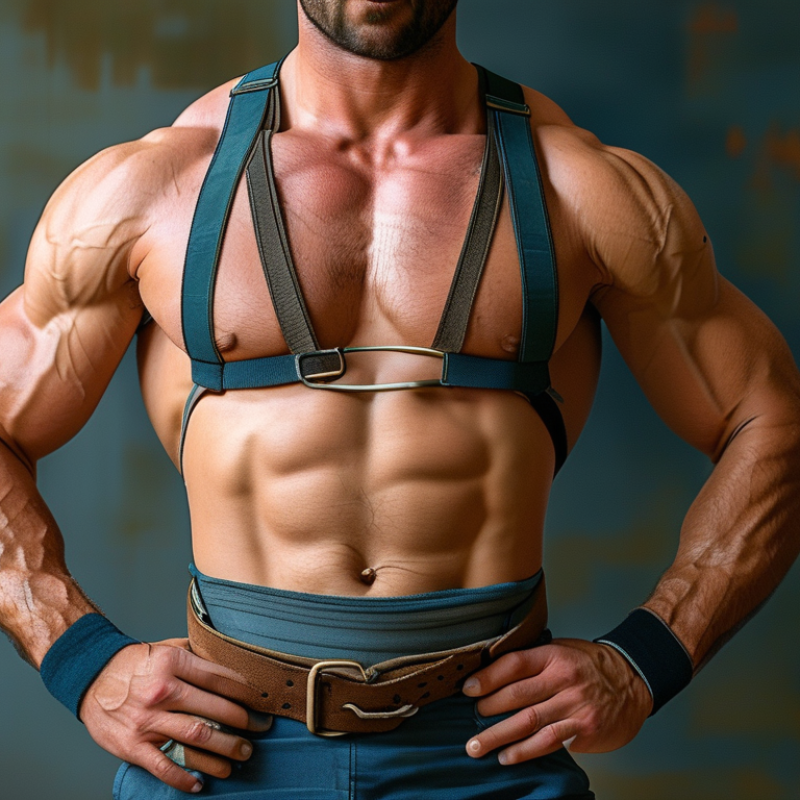
Top Features to Look for in Nylon Weightlifting Belts for 2026
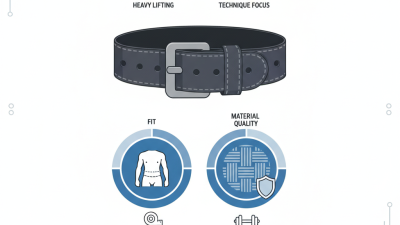
When selecting the best nylon weightlifting belts for 2026, certain features stand out as essential for serious lifters. A primary consideration is the material quality. High-denier nylon is crucial for durability and support. Reports show that nylon belts with at least 1000 denier provide the strength needed for intense training. These belts offer a good balance of flexibility and stability, making them ideal for various lifting styles.
Another factor to consider is the belt's width. A wider design ensures better support for the core and lower back. Research indicates that a belt width of 4 inches or more significantly enhances intra-abdominal pressure. This added pressure is vital during heavy lifts, promoting proper form and reducing injury risk. Additionally, adjustable straps or closures make it adaptable to different body types, which is essential for personalization.
Comfort is often an overlooked aspect. Some lifters report discomfort with rigid belts, leading to distractions during workouts. Thus, a good nylon belt should feature padding and ergonomic design. Many lifters prefer a belt that can accommodate various sizes. Often, finding the right fit is a trial and error process. While some may settle for less, investing time in finding the right features can significantly impact performance and safety.
Comparative Analysis of Nylon vs. Leather Weightlifting Belts
When considering weightlifting belts, the debate between nylon and leather remains prevalent. Many lifters prefer nylon for its flexibility and comfort. Lightweight yet strong, nylon belts offer ease of movement. They adapt well to different body shapes, making them suitable for various exercises. Industry reports indicate that 60% of powerlifters suggest using nylon belts for dynamic movements.
On the other hand, leather belts have their unique strengths. They provide excellent support and durability, especially for heavy lifting. Leather is often praised for its ability to maintain consistent tension, which is crucial during max-effort lifts. However, breaking in a leather belt can take time, sometimes leading to discomfort for new users. This might discourage some lifters who seek immediate performance boosts.
Ultimately, the choice between nylon and leather often comes down to personal preference and lifting style. Some lifters may find that a combination of both types enhances their training. As the lifting community evolves, so do the tools. Understanding the nuances between these belts is essential for making informed decisions. Engaging with experienced lifters' insights can further illuminate this complex comparison.
Industry Standards and Testing for Nylon Weightlifting Belts in 2026
As serious lifters seek optimal performance, nylon weightlifting belts are becoming increasingly popular. In 2026, industry standards for these belts focus on durability and comfort. Testing protocols assess materials, stitching quality, and adjustability. Belts must withstand intense pressure while allowing for proper movement, which is vital during heavy lifts.
Expert analysis reveals the importance of design. A belt’s width affects support, while appropriate padding contributes to user comfort. However, not all belts are created equal. Some may slip during lifts, raising concerns about safety and effectiveness. Lifters are encouraged to consider long-term wear and the impact on their training.
While qualitative measures are critical, subjective experiences cannot be overlooked. Individual preferences greatly influence the choice of belt. A weightlifting belt should feel secure but not restrictive. Finding the right balance can be challenging. Lifters are encouraged to test various brands and models. Through personal trial, they can identify what truly enhances their lifting experience.
Top 2026 Nylon Weightlifting Belts Performance Comparison
This chart illustrates the average ratings of key performance metrics for nylon weightlifting belts in 2026. The metrics include durability, comfort, support, flexibility, and price. Each metric is rated out of 10 based on user feedback and industry testing standards.
Top Brands Dominating the Nylon Weightlifting Belt Market
The nylon weightlifting belt market is highly competitive. Many brands focus on providing durable and reliable options for serious lifters. Serious lifters need support and comfort during intense workouts. The material used makes a significant difference in performance. Nylon belts tend to be lightweight yet sturdy, offering the right balance.
Leading brands often invest in research and development. They gather feedback from athletes to enhance their products. Serious lifters look for features like adjustable straps and reinforced stitching. These functionalities ensure a secure fit. However, some lifters may find certain belts too rigid. Personal preference plays a key role in choosing the right one.
Many options may seem overwhelming. A belt that works for one person might not suit another. Examining user reviews can provide insight into comfort and durability. Seek belts that pass rigorous testing standards. They often stand up well under extreme conditions. This level of reliability is crucial for anyone lifting heavy weights consistently.
Expert Recommendations: Choosing the Right Nylon Belt for Serious Lifters
Choosing the right nylon weightlifting belt can significantly enhance your lifting experience. Many serious lifters prefer nylon belts due to their lightweight and flexibility. These belts provide essential support without being bulky. The right fit is crucial; it must be snug but not overly tight. Ideally, you want a belt that allows for full range of motion while maintaining stability.
When selecting a belt, consider the width and thickness. A wider belt can offer more support but may limit mobility. Look for belts with reinforced stitching. This adds durability, especially for heavy lifting. Personal preference plays a huge role. Some lifters find comfort in thicker designs, while others appreciate the breathability of thinner options.
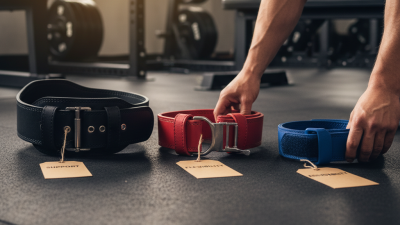
Don’t forget to try different sizes and styles. What works for one lifter may not work for another. Take your time to find the ideal balance between support and comfort. Reflecting on your lifting experience can also guide your choice. Pay attention to how the belt feels during various lifts. This insight can lead to better performance and increased safety.