
Leave Your Message



Beyond Support: The Performance Code for the Width, Thickness and Hardness of Weightlifting Belts
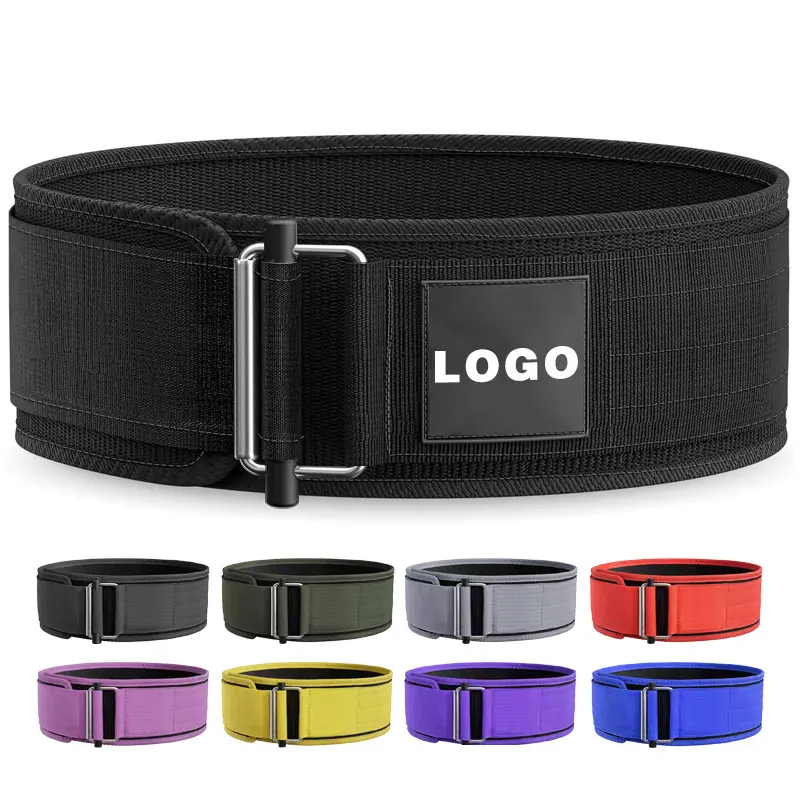
In the world of weightlifting training, a high-quality belt is far more than just a piece of equipment; it is a functional extension of an athlete's body and a reliable partner for enhancing performance and safeguarding safety. For professional international purchasers, a thorough understanding of how the core parameters of belts - width, thickness and hardness - affect actual performance is the key to making precise purchasing decisions. This is not only about materials, but also about the wisdom of biomechanics and ergonomics.
Width: The art of balancing stable areas and free movement
The width of the belt directly determines the contact area it has with the core of the body. A wider rear design can provide more extensive support for the lumbar region. When performing heavy movements such as squats or deadlifts, it helps increase intra-abdominal pressure and form a solid "rigid cylinder", thereby stabilizing the spine.
However, width is not constant. When the human body is in motion, especially when it needs to bend over, the trunk requires a certain degree of bending and movement space. Therefore, cutting-edge designs will take into account the contour fit of the belt. It may maintain an ideal support width at the back of the waist, while narrowing or adjusting the Angle to conform to the human body curve at the front or side. This design ingeniously strikes a balance between "ensuring stability" and "guaranteeing mobility", avoiding unnecessary compression on the ribs or hip bones during the movement and ensuring a natural and smooth movement pattern.
Thickness: The source of rigidity and strength and the key to adhesion
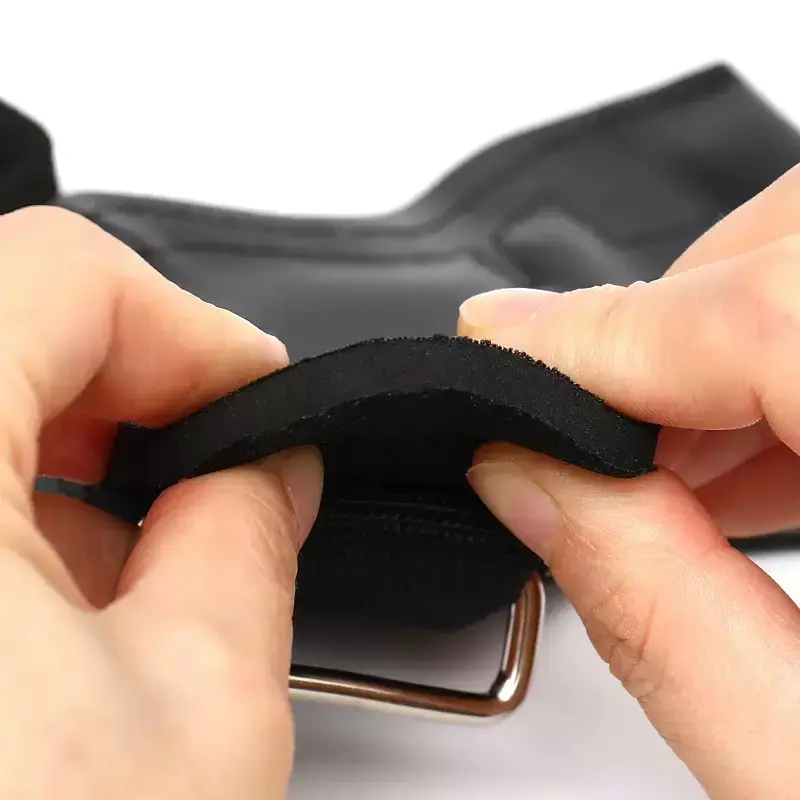
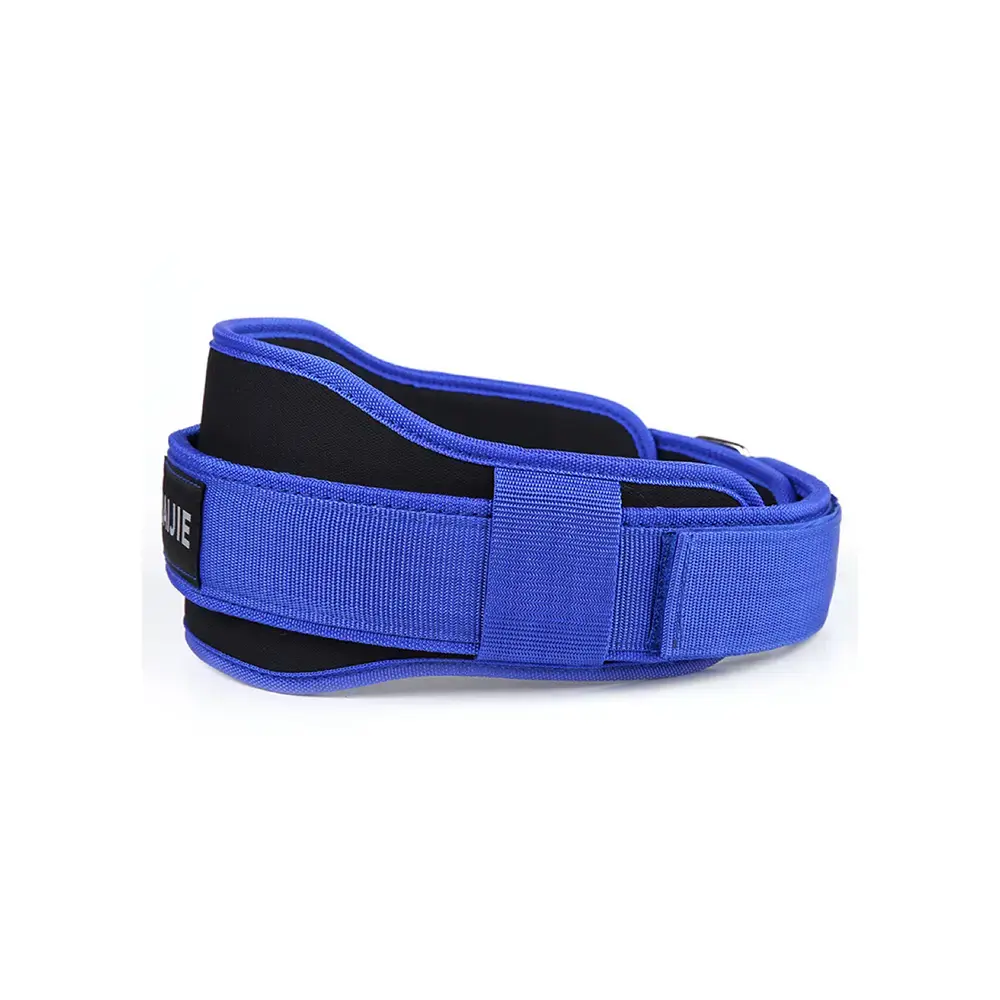
The thickness of the belt is the core element that endows it with "rigidity" and "support". Generally, thicker materials can more effectively resist deformation under extreme loads, providing a solid and reliable feedback for the core. When athletes exert force, this confrontational feedback is an important part of building their confidence and exerting their strength.
However, the thickness also needs to be considered in conjunction with the fit. If a very thick belt does not fit closely to the user's waist contour, it will create a gap, causing the support force to be dispersed and even creating uncomfortable pressure points. Excellent manufacturing techniques can ensure that even on thicker materials, through precise preformed curves or adjustable buckle systems, it can perfectly wrap around the waist, evenly distributing the powerful support force and achieving a "person and strap as one" wearing experience.
Hardness: The inner soul that supports feedback and comfortable wearing
Hardness is the most intrinsic characteristic of a belt, which profoundly influences the experience and effect during use. The high-hardness belt can provide clear and immediate support feedback. When performing explosive movements, this firm texture can provide the user with a strong psychological suggestion and physical support, as if constantly reminding the core muscle group to stay tense.
On the contrary, a medium to low hardness belt with a certain degree of flexibility does not necessarily mean insufficient support. They achieve a dynamic combination of support and comfort through multi-level combinations of materials and structures. This type of belt can better adapt to the waist curves of people with different body types, providing continuous and gentle support during training cycles. It is especially suitable for scenarios that require multiple sets and movements of training, reducing the running-in period and discomfort during wearing.
Harmony and unity: The ultimate manifestation of performance
A truly outstanding weightlifting belt does not lie in the ultimate performance of a single parameter, but in the harmonious unity and precise adjustment of width, thickness and hardness. An ideal design will be based on usage scenarios and ergonomics, taking into account all aspects:
It provides sufficient width for key parts to ensure stability.
It builds the required rigidity through the appropriate thickness.
It uses precise hardness adjustment to deliver clear feedback while ensuring long-term wearing comfort.
This comprehensive performance has transformed the belt from a passive protective gear into a partner that can proactively enhance the quality of training and help athletes break through themselves.
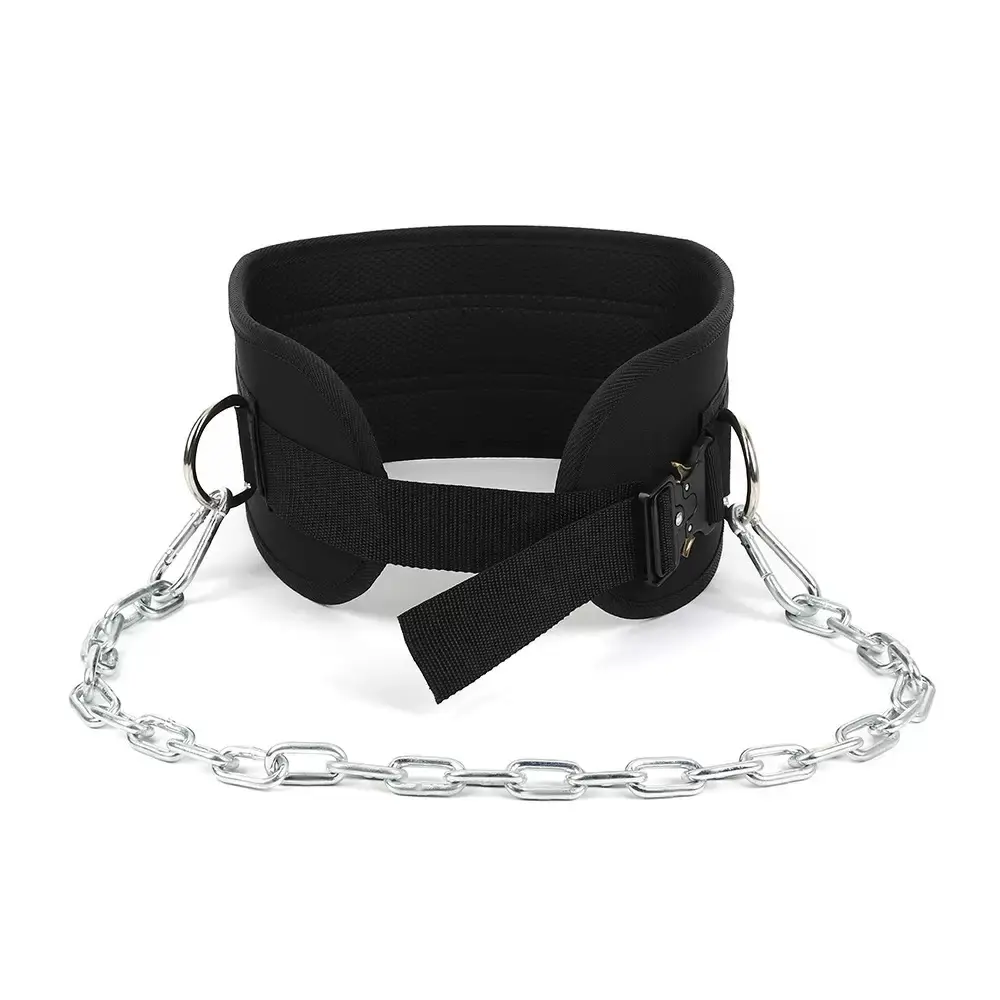
For professional purchasers, choosing a weightLifting Belt is essentially about selecting a reliable sports solution for end users. A deep understanding of the interaction among width, thickness and hardness and their impact on actual performance will enable you to accurately identify products and gain insights into the design philosophy behind them.
We focus on integrating biomechanical principles into every detail of our products and are committed to providing professional equipment that strikes a perfect balance between support, mobility and comfort for the global market. We look forward to working hand in hand with you to convey this unwavering pursuit of performance to every user who needs it.