
Leave Your Message
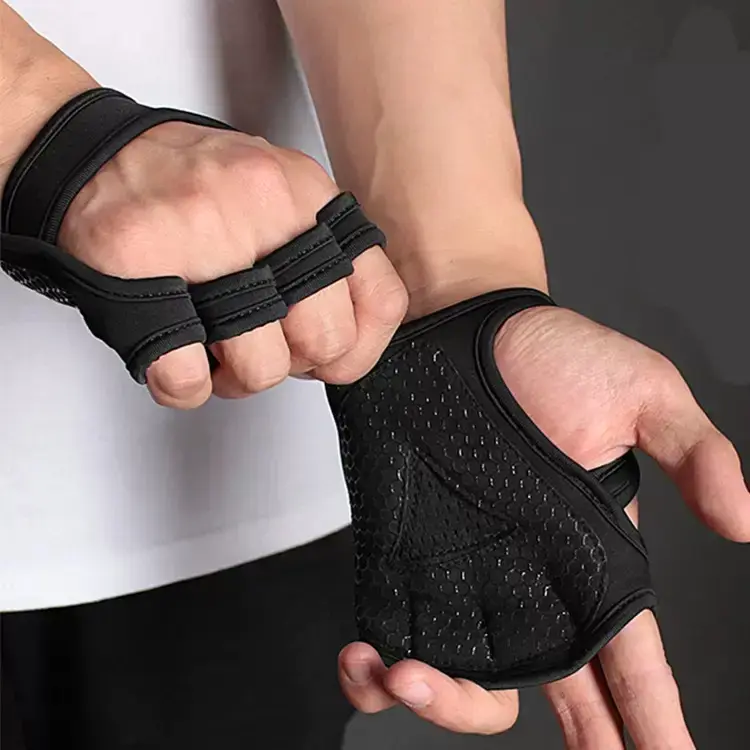

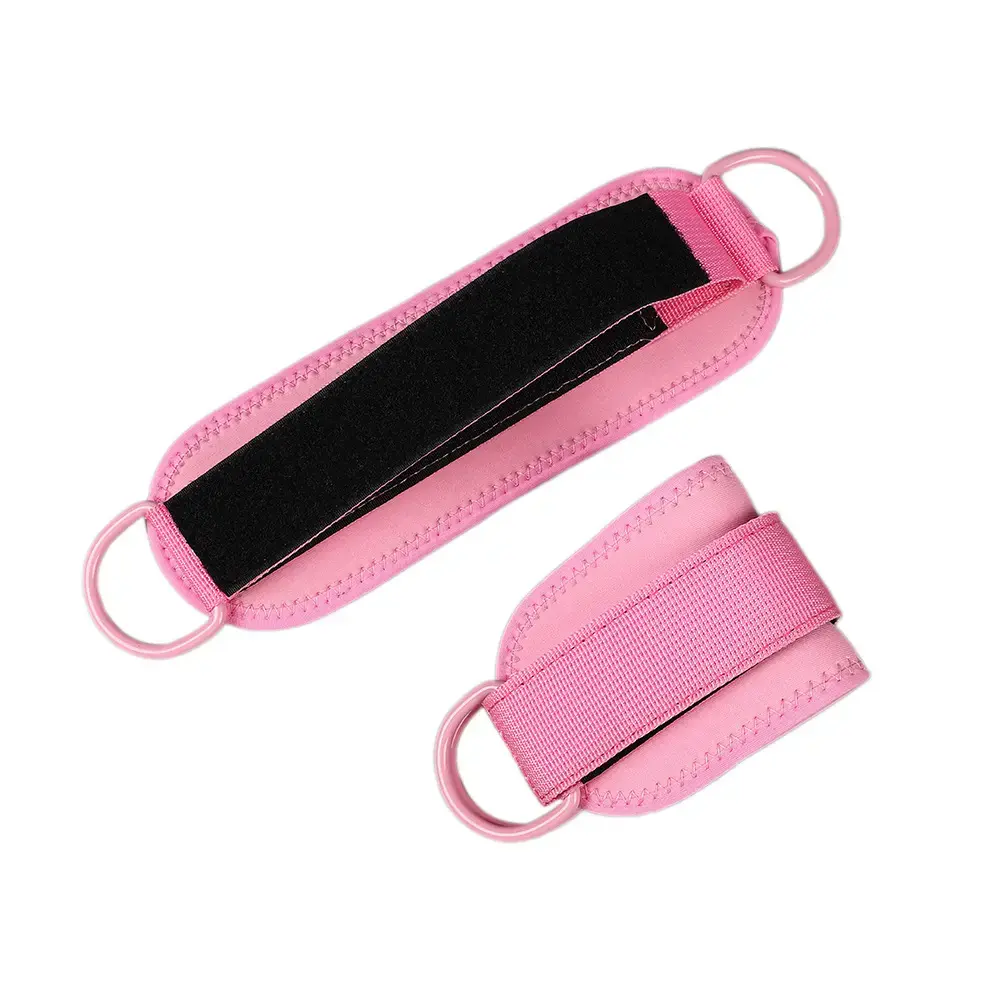
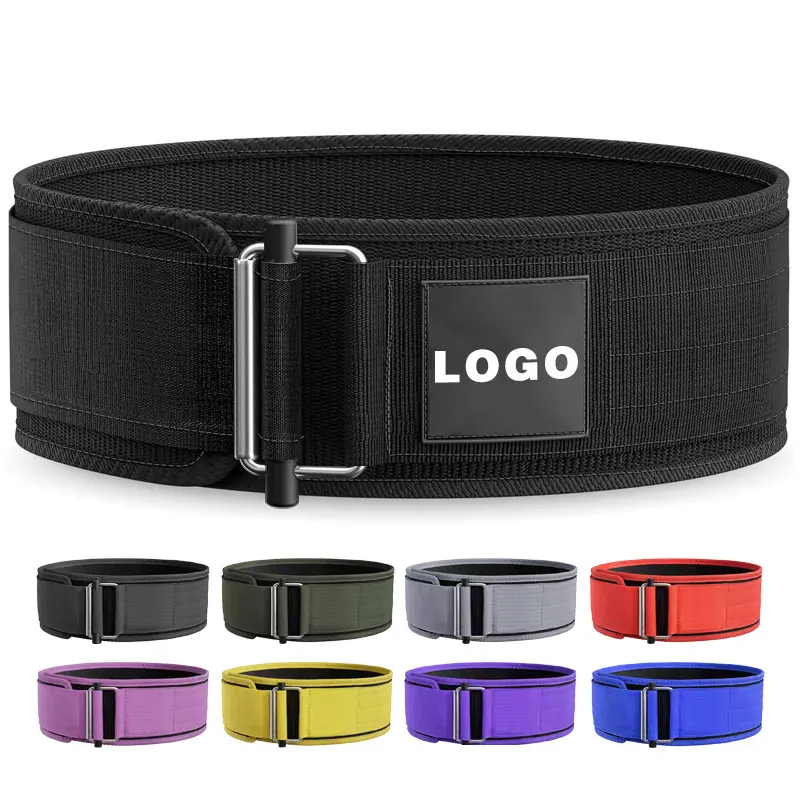
Beyond the Gym: How Can Fitness Gear Integrate into the New Landscape of Modern Rehabilitation Care
In traditional perception, fitness protective gear - such as knee pads, wrist guards, and waistbands - is the exclusive equipment that athletes and fitness enthusiasts seek for protection during high-intensity training. However, a silent yet profound change is taking place: These ergonomically designed and functionally-oriented protective products are increasingly frequently seen in physical therapy clinics, rehabilitation centers, and even home rehabilitation scenarios. This is not only a cross-border application of the product, but also reflects the trend of modern rehabilitation concepts developing towards initiative, prevention and functionalization.
This article will explore the driving forces behind this convergence trend and analyze the specific application value of fitness protective gear in the field of rehabilitation medicine, providing you, as an industry professional, with a new perspective for your purchasing decisions.
First, the alignment of concepts: The rise of active rehabilitation and functional support
The focus of modern rehabilitation medicine is gradually shifting from traditional passive treatment (such as relying solely on the techniques of physical therapists) to "active rehabilitation". It emphasizes the restoration of function, strength and stability through the patient's own active movement under professional guidance. This concept coincides with the core spirit of fitness.
Against this backdrop, the value of fitness protective gear is highlighted:
Provide controllable support: For patients in the early postoperative period or those with stable chronic pain, directly engaging in activities without assistance may carry risks. A scientifically designed protective gear can provide the necessary joint stability and proprioceptive feedback, reduce patients' fear during rehabilitation training, and encourage them to start activities earlier and more safely.
Compensating for insufficient muscle strength: During the stage when muscle strength has not yet fully recovered, protective gear (such as elastic waist straps) can share part of the load, assist patients in completing daily movements (such as bending over and lifting objects) in a more correct posture, and prevent secondary injuries.
Promoting a return to normal life: The ultimate goal of rehabilitation is to enable patients to return to their daily life and work. Fitness protective gear, with its lightness, concealment and high adaptability, can seamlessly integrate into patients' daily life scenarios, serving as a "transitional bridge" from clinical treatment to complete independence.

Second, analysis of the application of key product categories in rehabilitation scenarios
Not all fitness gear is suitable for rehabilitation purposes, but the following types of products show great application potential:
1. Elastic support protective gear: The cornerstone of flexible protection
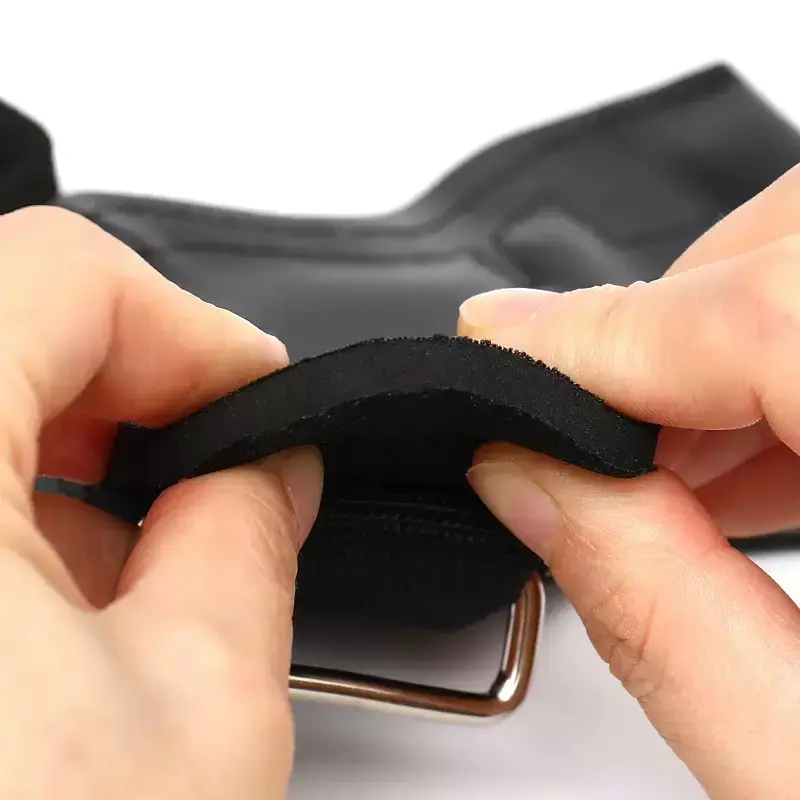
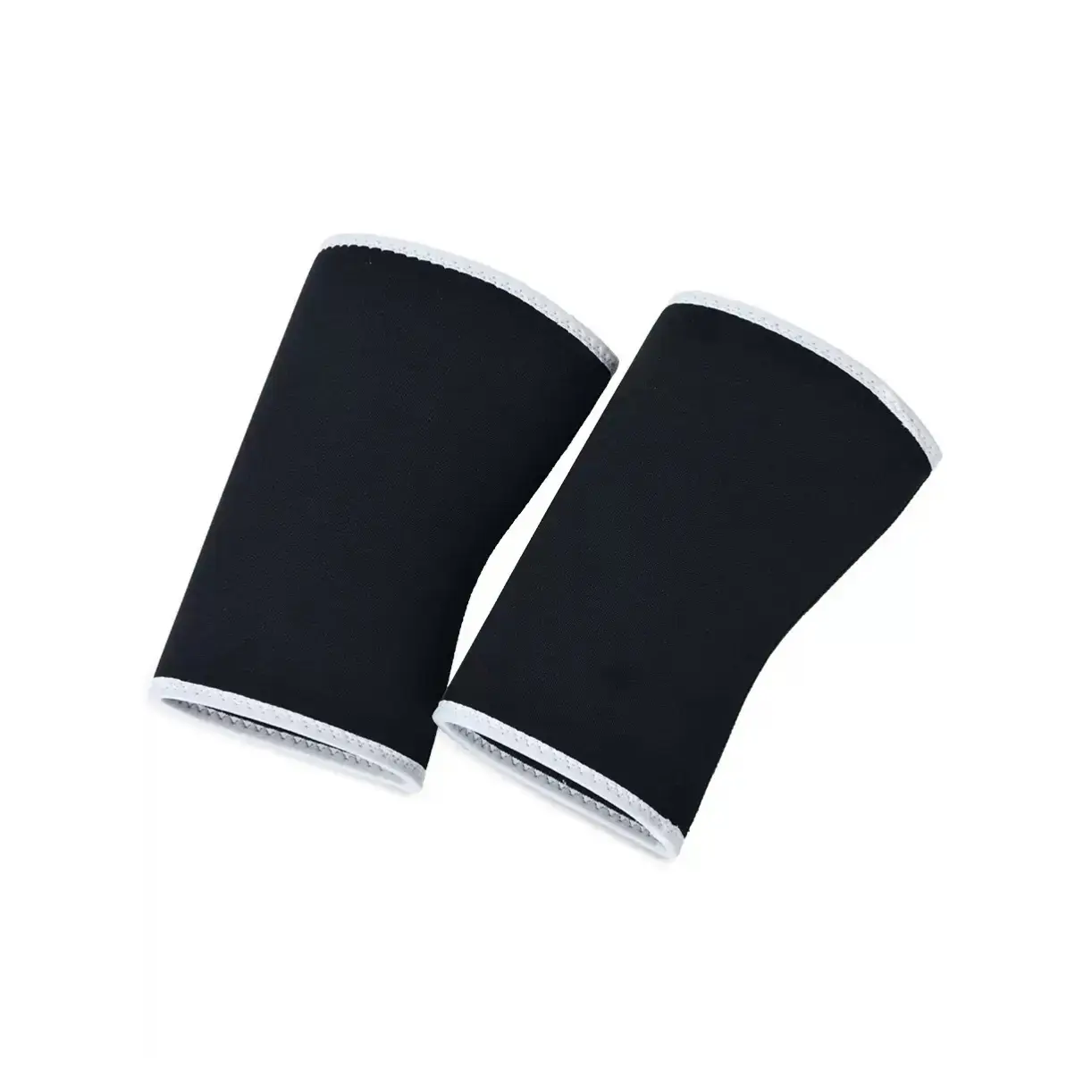
This type of protective gear (such as elastic knee pads and ankle pads) is the most common type in rehabilitation. They are made of high-elasticity composite materials, providing gentle compression and support.
Application scenarios
Rehabilitation after an ankle sprain: After the ligament heals, an elastic ankle brace can provide proprioceptive input, alerting the brain to the joint position and preventing another sprain, especially when the patient returns to sports or walks on uneven roads.
Chronic knee arthritis: For patients with osteoarthritis, keeping warm and applying mild pressure can relieve pain and increase comfort and confidence during low-impact exercises such as walking.
Procurement focus points: Special attention should be paid to the breathability and sweat-wicking properties of the material, whether the pressure gradient is uniform, and whether it contains anti-slip silicone strips to ensure comfort and stability during long-term wearing.
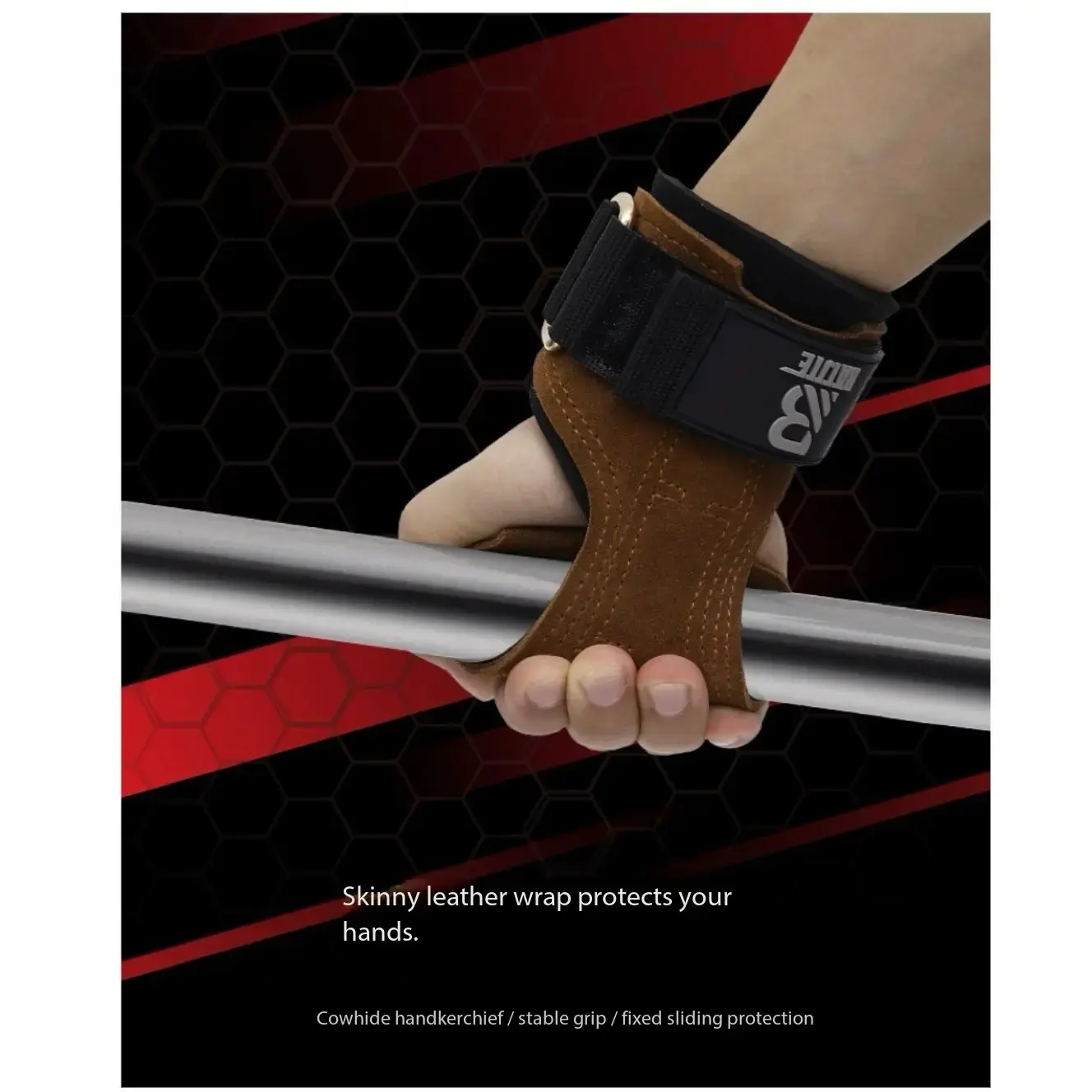
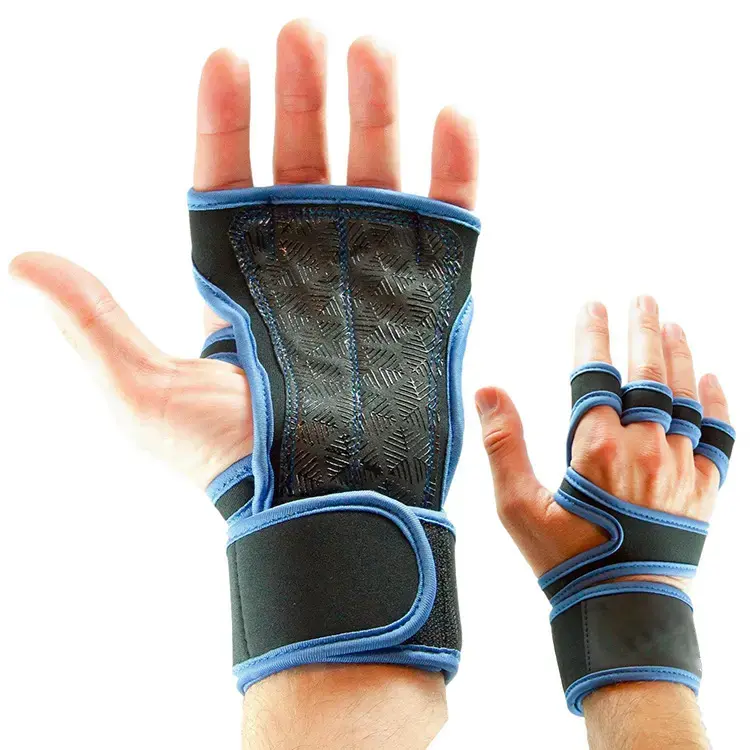
2. Functional wrist guards: From wrist stability to movement assistance
The wrist is one of the most frequently used joints in daily life and is also prone to strain. Functional wrist guards are widely used in rehabilitation.
Application scenarios
Carpal tunnel syndrome management: For office workers who need to use computers for long periods of time or patients with carpal tunnel syndrome due to strain, a wrist guard that can keep the wrist in a neutral position during activities can effectively reduce nerve compression and relieve symptoms.
Post-injury protection of the triangular fibrocartilage complex: Restrict excessive rotation and dorsiflexion of the wrist to create a healing environment for soft tissues.
Procurement focus: Pay attention to distinguishing between fixed wrist guards (used for strict braking during the acute stage) and supportive wrist guards (used for protection during activities during the recovery stage). The latter is closer to the category of fitness protective equipment and should have a certain degree of flexibility.
3. Core Waist Bundle: Posture Reminder and waist Support
The main role of the core lumbar bundle in rehabilitation is not "treatment", but "assistance and management".
Application scenarios
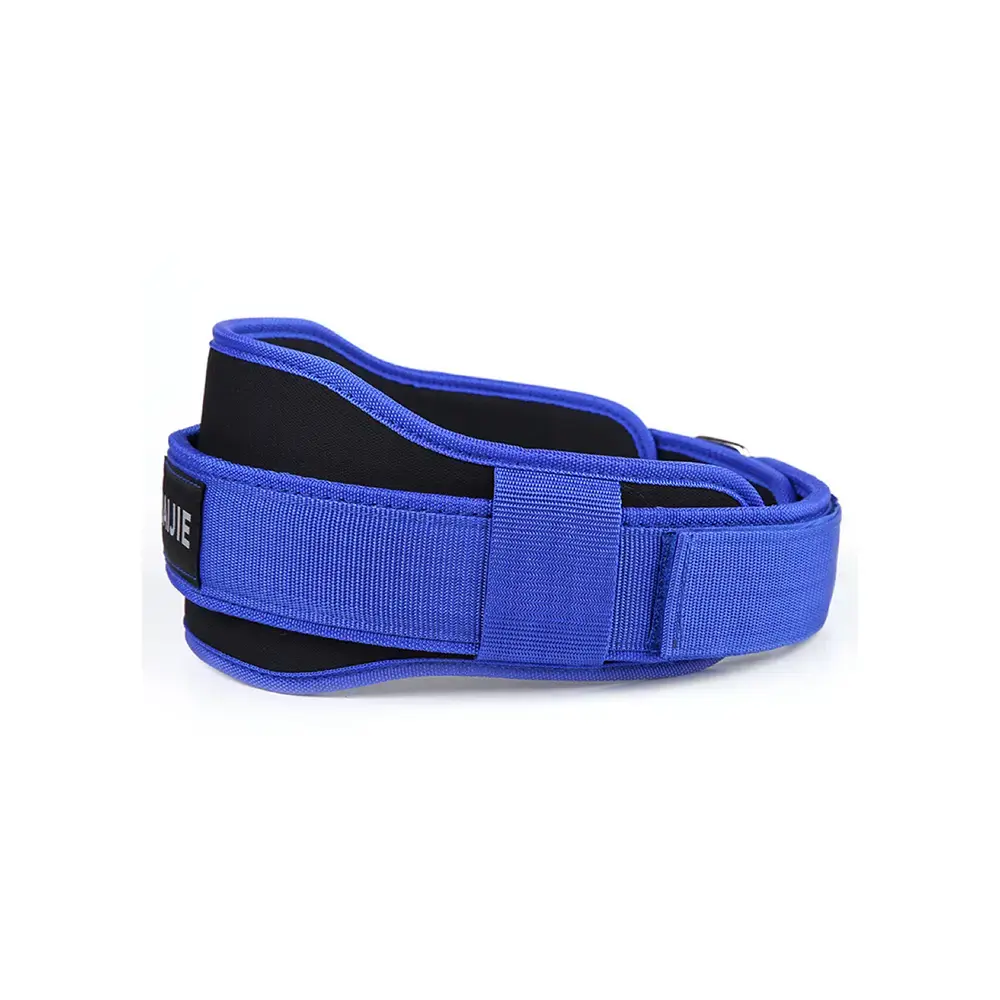
Non-specific lower back pain: For patients with lower back pain caused by weak core muscles or poor posture, the lumbar bundle can provide warmth and mild pressure, increase intra-abdominal pressure, offer additional support when short-term weight-bearing activities are needed, and more importantly, it serves as a continuous "posture reminder", urging patients to maintain the correct posture.
Postpartum rehabilitation: Under professional guidance, specific lumbar bindings can be used to assist in the recovery of core functions for postpartum women.
Procurement focus: The material should be lightweight, breathable, and have a wide adjustable range to adapt to different body types and swelling changes. Three-dimensional cutting that conforms to the human body's curves is of vital importance.
Third, Trends and Procurement Strategies: Grasp the new demands in the rehabilitation market
As a key link in the supply chain, understanding this trend will help you offer your customers a more forward-looking product portfolio.
Demand-driven: The aging of the global population, the increasing burden of chronic diseases, and the rising health awareness among people have jointly given rise to a huge demand for rehabilitation assistive products that are highly accessible and practical.
Product evolution direction: Future products will place greater emphasis on intelligence and quantifiability. For instance, protective gear that integrates gentle massage points or adjustable support plates can meet the needs of different stages of rehabilitation. In terms of materials, hypoallergenic, antibacterial and quick-drying fabrics will become standard requirements.
Suggestions for purchasing decision-makers
Pay attention to certification and compliance: Although it is sold as fitness gear, if the product can approach or meet the relevant standards of medical devices in terms of design and materials (such as biocompatibility tests), it will greatly enhance its credibility in entering the rehabilitation field.
Emphasize education and training: Provide your downstream retailers with training materials on the correct application scenarios of your products. Rehabilitation applications require greater professionalism, clearly stating the "auxiliary" positioning of the product rather than its "therapeutic" function to avoid improper promotion.
Diversified product line: When making purchases, we not only take into account the needs of extreme sports enthusiasts, but also those of middle-aged and elderly people as well as office workers who sit for long periods. In terms of color, more neutral and skin-skin-friendly options can be provided to meet users' requirements for concealment.

The boundary between fitness protective gear and rehabilitation medicine is becoming blurred, which reflects people's unremitting pursuit of quality of life. For forward-looking purchasers, this represents a promising incremental market. By deeply understanding the specific needs of the rehabilitation field and carefully selecting those protective gear products that truly serve the concept of "active rehabilitation" in terms of design, materials and functions, you will not only be able to meet the existing market, but also create a new blue ocean.
We are always committed to developing and manufacturing products that can transcend scenarios and truly serve users' health. We look forward to exploring this constantly expanding market frontier together with you.