Leave Your Message


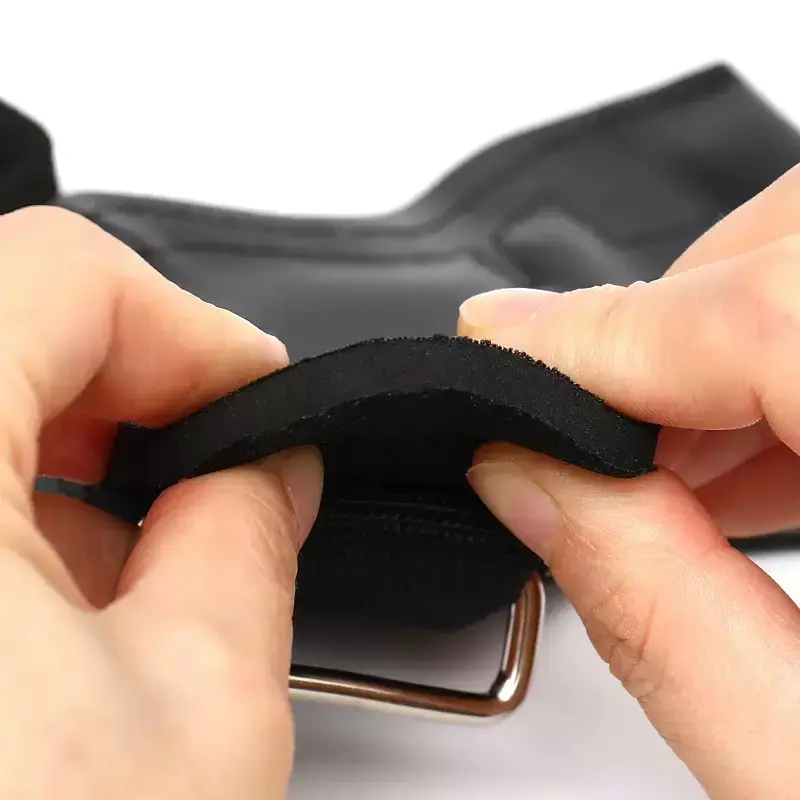
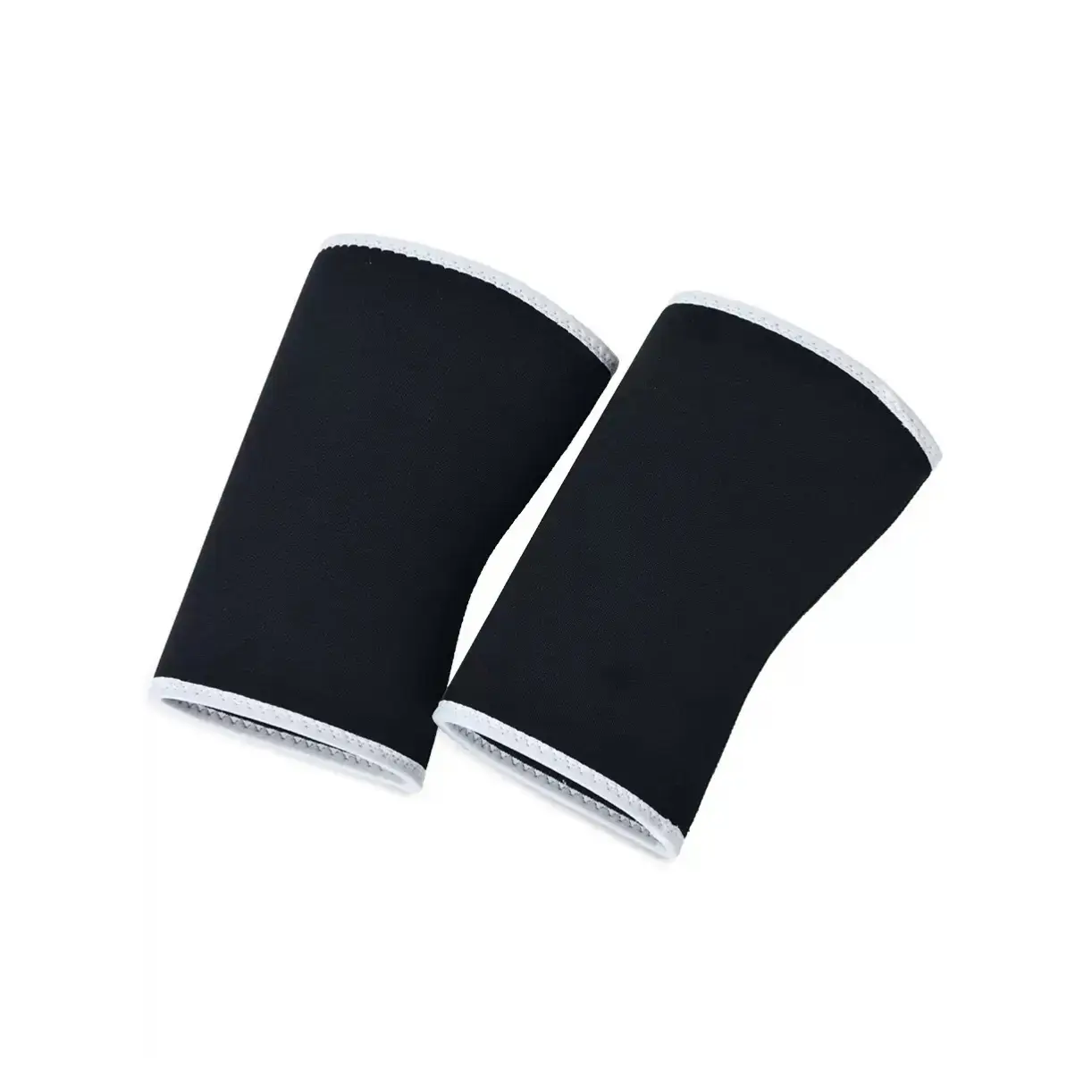
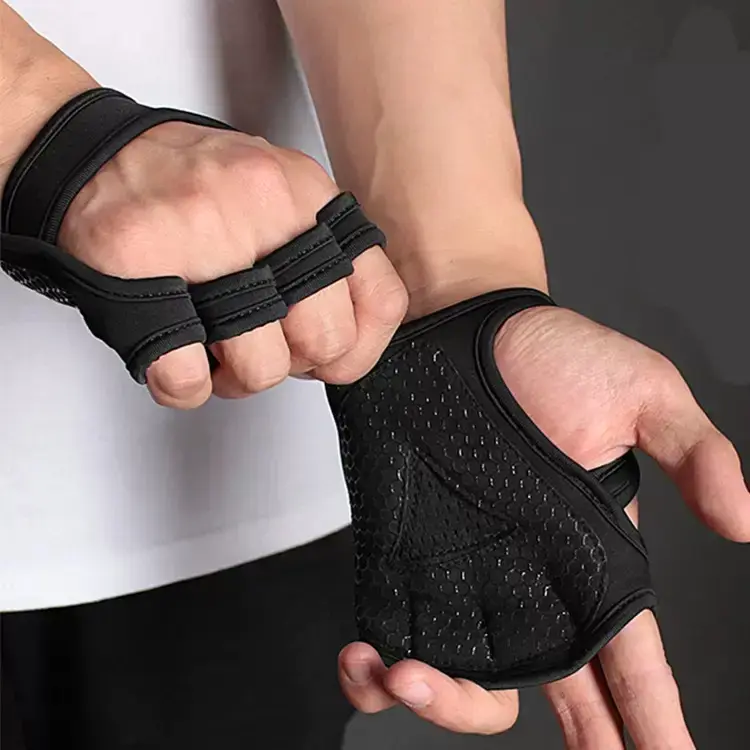

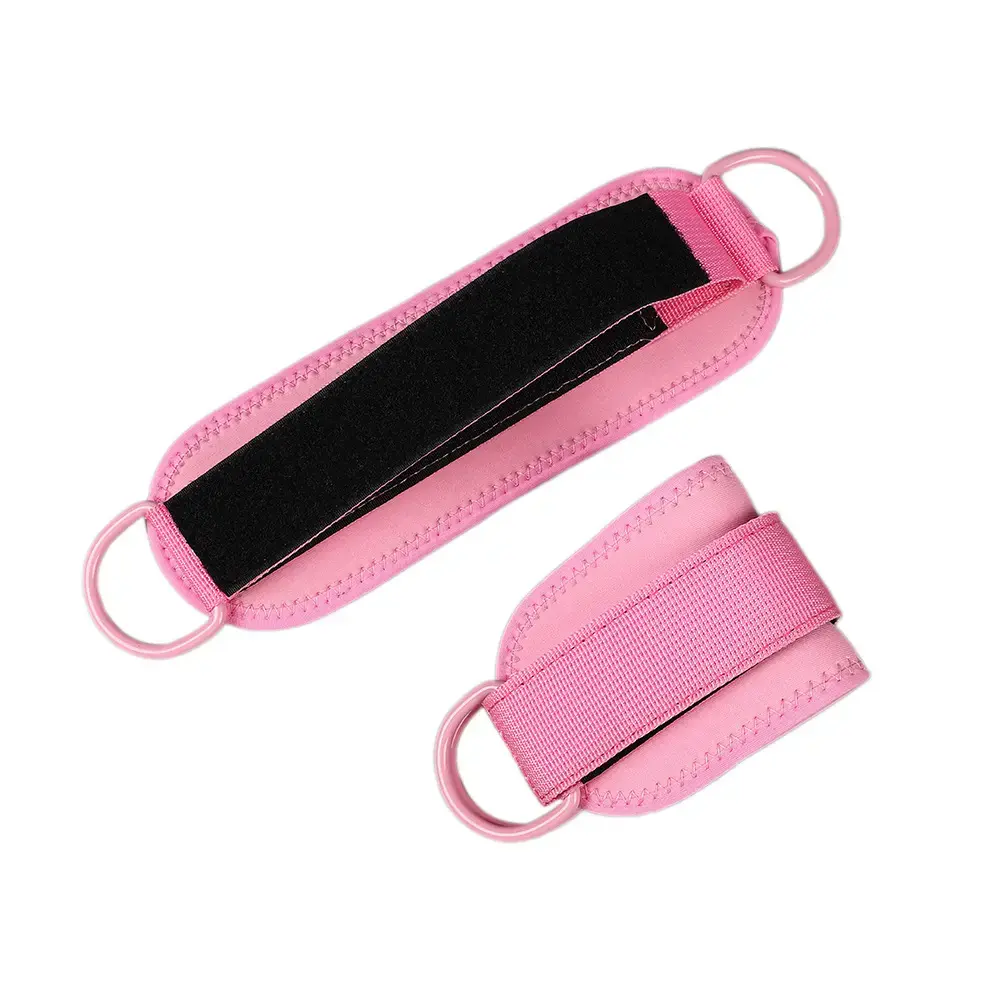

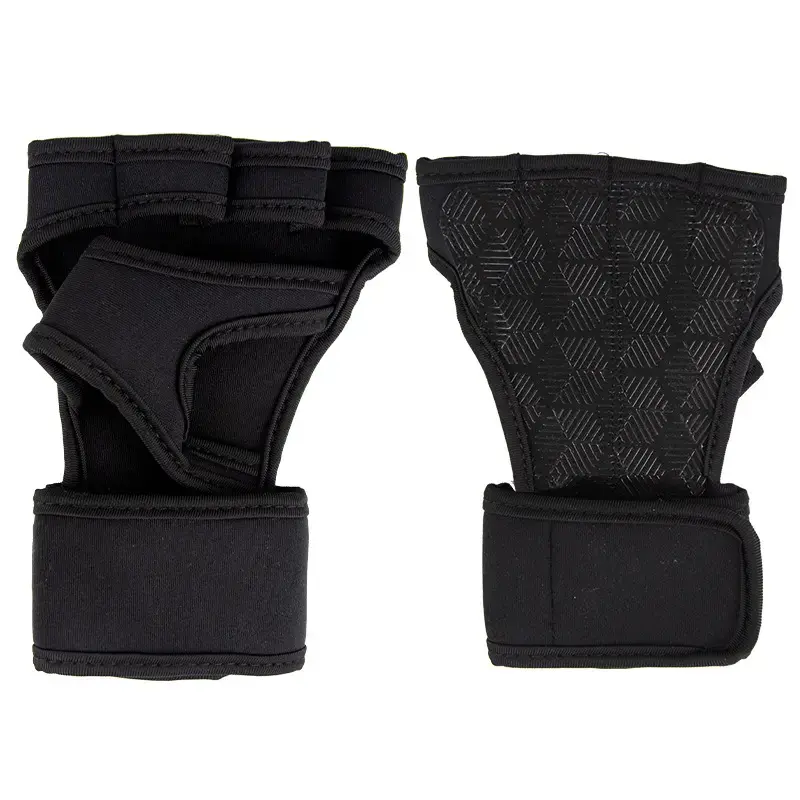
Compression wristband: Promotes blood circulation and stabilizes muscle performance
In the field of modern sports protection, the compression wristband, as a common protective equipment, its role goes far beyond providing basic protection. Through its unique design principle, it provides support for the wrist during movement and simultaneously performs two key functions: promoting blood circulation and inhibiting excessive muscle vibration. These functions have positive significance for both athletic performance and recovery.
When we talk about the promotion of blood circulation by compression wristbands, what we focus on is how they support blood flow through gentle and sustained pressure. During exercise, muscles require sufficient oxygen and nutrients to maintain efficient operation, and at the same time, they need to promptly remove metabolic waste products. Appropriate pressure applied to the tissues around the wrist is like providing a gentle assist to the blood vessels, helping blood flow more smoothly back to the heart. This kind of assistance is not a forced compression but a support that conforms to the physiological structure, making blood flow more efficient. This may help delay the arrival of muscle fatigue and support the recovery process after exercise.
Especially when engaging in sports that require repetitive wrist movements, such as tennis, badminton, and fitness training, the wrist often bears continuous loads. The uniform pressure provided by the compression wristband can create a favorable environment for local blood circulation. This promotion does not mean altering the natural flow pattern of blood, but rather, through external support, helps the body maintain a more stable internal environment during intense exercise. After exercising, if you continue to wear it for a while, it might still provide an extra support for your body's natural recovery process.
On the other hand, another important function of the compression wristband is to inhibit excessive muscle vibration. During exercise, the rapid contraction and relaxation of muscles produce subtle vibrations. If these vibrations are too intense or frequent, they may increase minor damage to tissues and accelerate the onset of fatigue. The compression wristband provides a stable external structure for muscles and tendons by wrapping around the wrist. This stability is like a gentle reminder, helping the muscles maintain a better biomechanical posture during movement, thereby reducing unnecessary energy loss and tissue vibration.
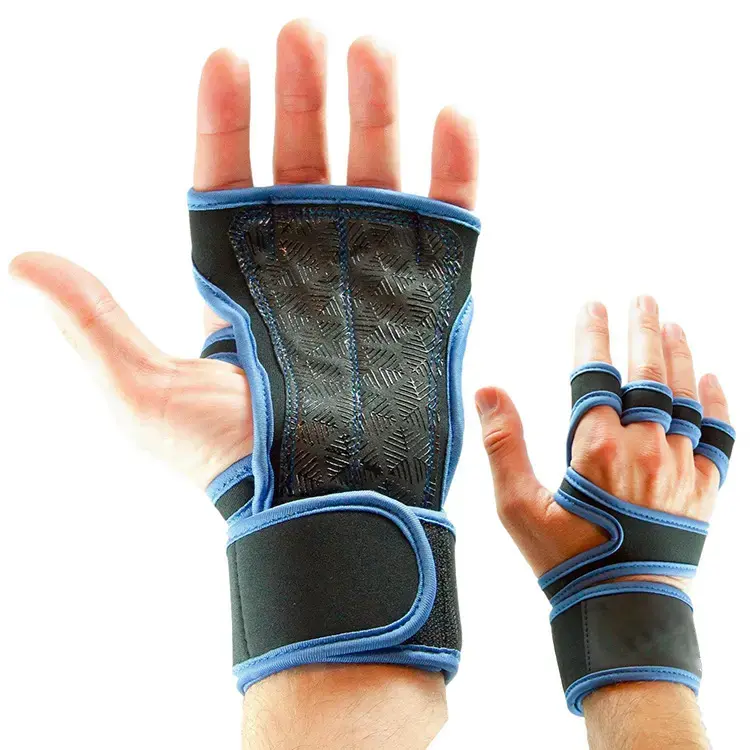
This effect of vibration suppression is particularly important for those sports that require frequent wrist force or stability. For instance, when lifting weights, the stability of the wrist directly affects the efficiency of force transmission. In ball games, precise wrist control often determines the success or failure of technical movements. The compression wristband reduces unnecessary muscle swaying, allowing athletes to focus more on the technique itself rather than diverting their energy to control the stability of their wrists.
When we combine the two major functions of promoting blood circulation and inhibiting muscle vibration, it is not difficult to find that they both point to one goal: supporting athletic performance and physical recovery. Good blood circulation provides a fundamental guarantee for muscle operation, while a stable muscle state enhances the efficiency and safety of movements. The compression wristband is like a silent companion, providing silent support during movement. It neither interferes with the natural movement process nor fails to offer appropriate assistance where needed.
It is worth noting that the effect of compression wristbands is closely related to the way they are worn, the degree of pressure, and personal feelings. Too tight pressure may backfire, while too loose pressure cannot provide effective support. Therefore, when choosing and using, it is crucial to pay attention to one's own comfort and actual needs. It should be a natural component of the sports experience, rather than a restraint.
Overall, the compression wristband offers a simple yet effective protective option for athletes by promoting blood circulation and suppressing excessive muscle vibration. It reflects the design concept of sports protective equipment: not to change the body's own functions through complex technologies, but to help the body better exert its natural potential by conforming to the support of ergonomics. Every time the wrist exerts force, this gentle yet firm support might just be the key to enhancing the sports experience and protecting oneself.