
Leave Your Message



How to choose a fitness belt - a must-have guide for international wholesale buyers
Introduction
In the field of fitness, as an important auxiliary equipment, the belt plays a key role in protecting the waist and improving the training effect. If you are an international wholesale buyer, knowing how to choose a high-quality Fitness Belt is not only to provide better products for your customers, but also the key to improving your own competitiveness and reputation. This article will explore in depth the key points of purchasing Fitness Belts, material analysis, applicable scenarios and other aspects, to help you accurately select Fitness Belts that meet the needs of the international market from many products.
1. The role of fitness belts
Support waist: When doing weight training such as squats and deadlifts, the belt can provide strong support for the waist, reduce the pressure on the lumbar spine, and reduce the risk of injury.
Enhance core stability: By increasing intra-abdominal pressure, it helps stabilize the core muscles, allowing trainers to better control their body posture during exercise and improve training efficiency.
Relieve waist pain: For some fitness enthusiasts with waist discomfort or minor waist injuries, a suitable waist belt can relieve pain, provide a certain degree of comfort, and help them better stick to training.
Improve training performance: Stable waist support can make trainers more confident to challenge higher intensity training, so as to break through themselves and achieve better fitness results.
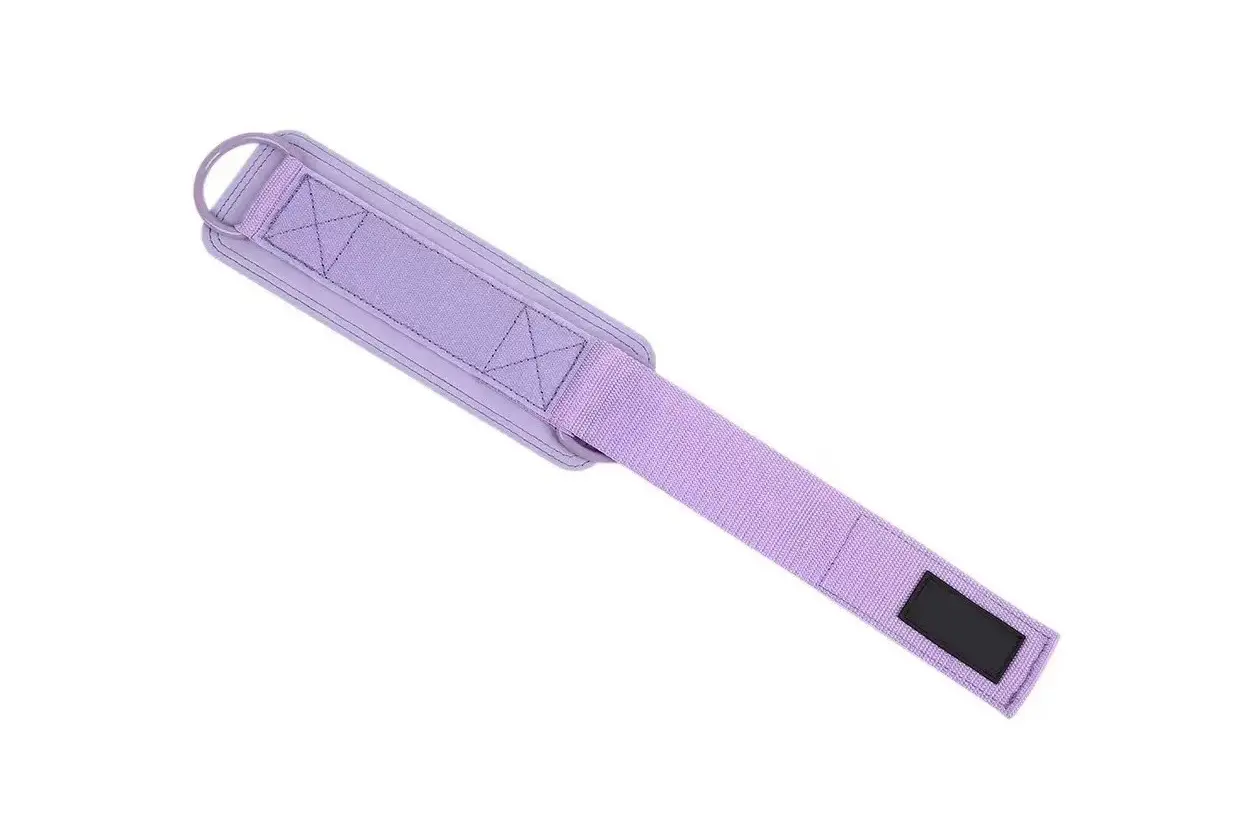
2. Types and characteristics of fitness waist belts
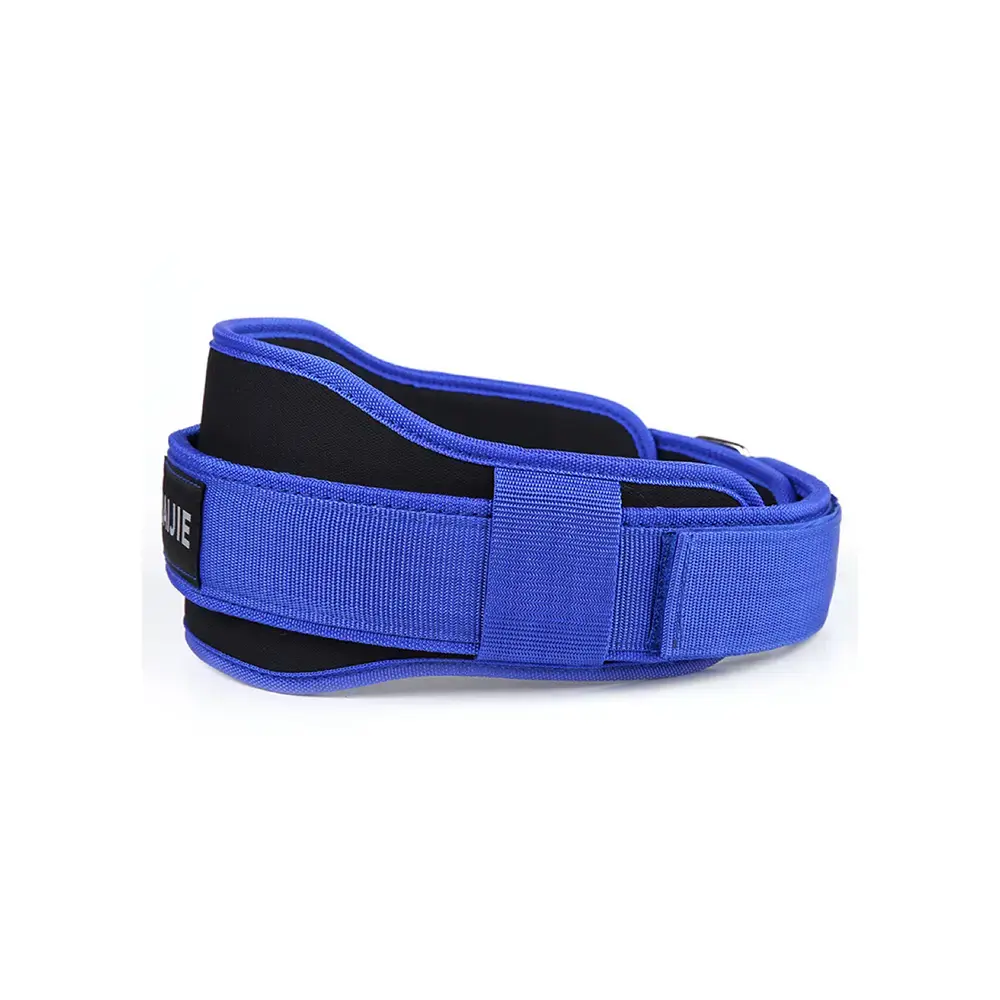
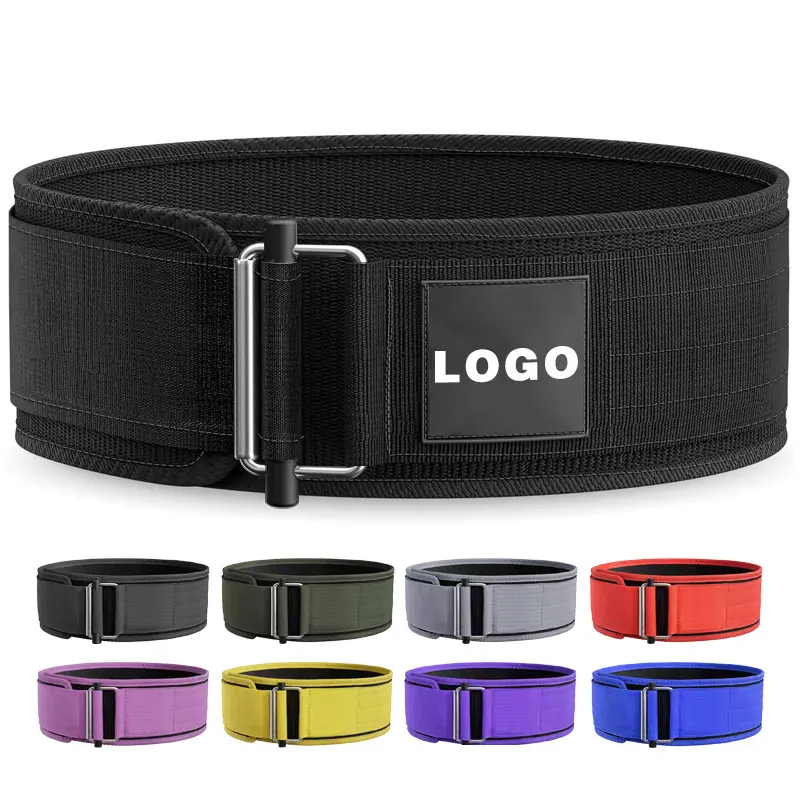
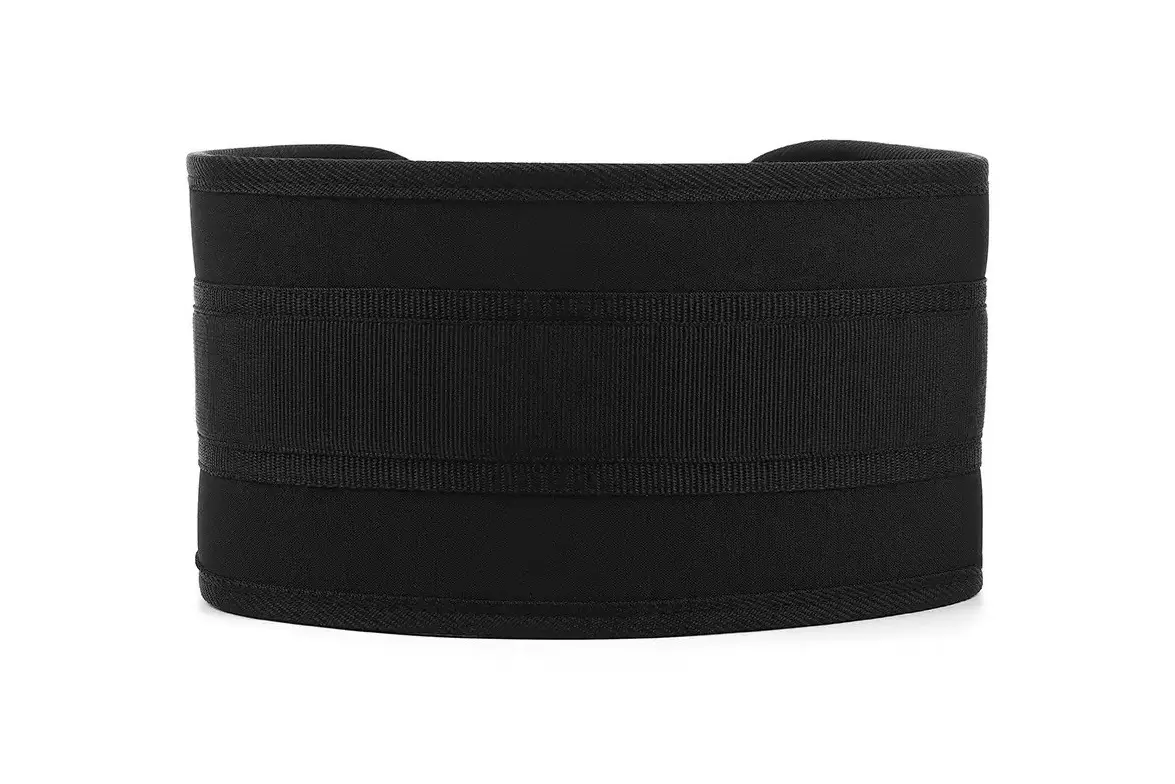
Nylon waist belt
Material characteristics: Nylon material is light, comfortable, highly flexible, and has good breathability. It is comfortable to wear and will not give the user a feeling of being too stuffy.
Applicable people and scenarios: It is usually more suitable for fitness novices and people who perform medium and low intensity training, such as daily simple equipment training, low-intensity aerobic exercise, etc. It is also suitable for use in repeated cycle training because it will not have much impact on the flexibility of the movement.
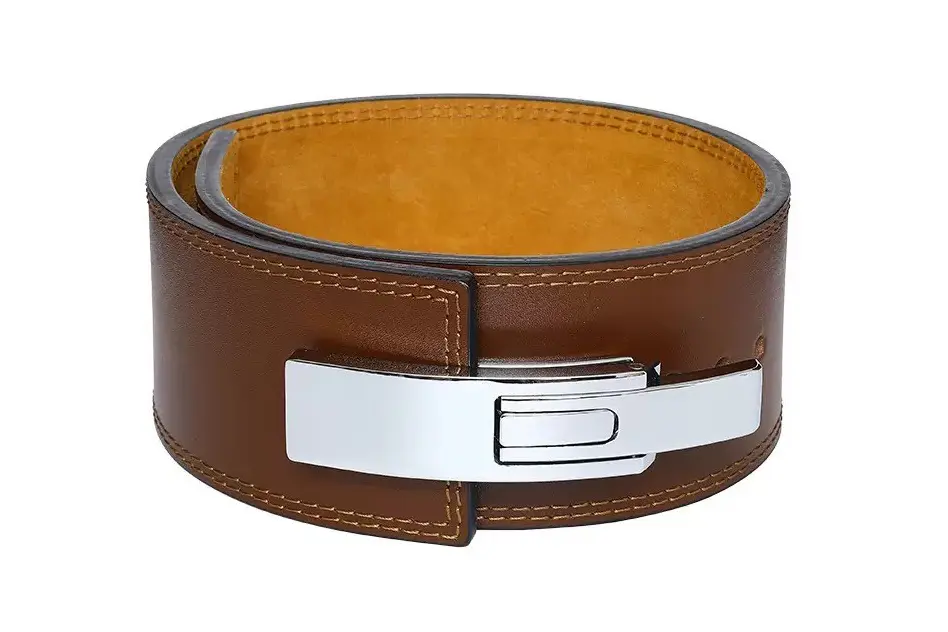
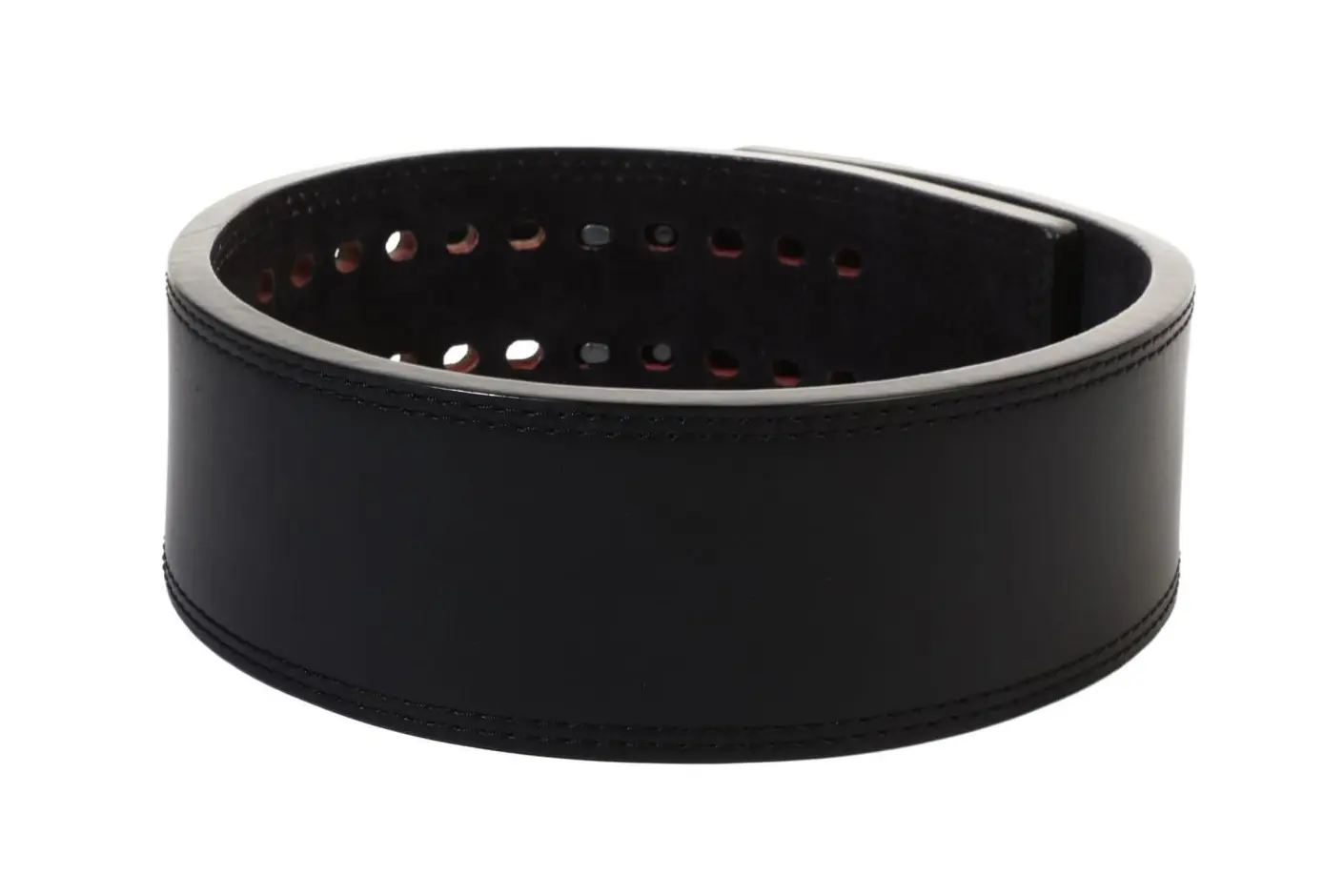
Double buckle cowhide belt
Material and support: Suede leather, carbon fiber padding and other materials, combined with double claw belt buckle design, can provide strong support for the core, and its flexibility and support are between nylon belt and quick buckle belt.
Applicable people and scenarios: Suitable for medium and high intensity trainers, such as some advanced weightlifting training, squats and other projects. And because of its design, it is easy to put on and take off and adjust the size, it is more practical for those fitness people who need to frequently change training partners or venues.
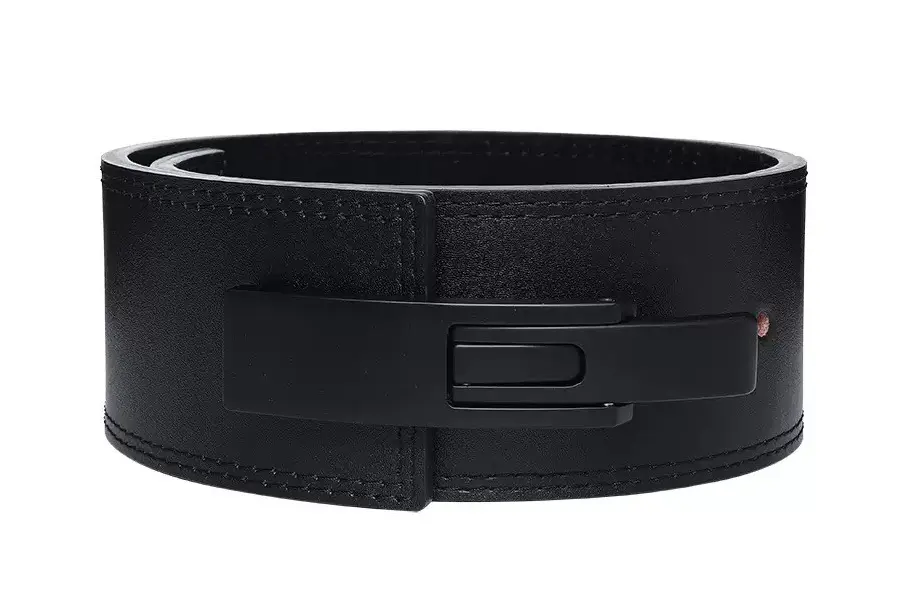
Quick buckle cowhide belt
Material and support: The material is the heaviest and has the highest support. It can provide the most stable strength for the waist. Generally, high-quality leather from professional brands such as WILDBULL is used, with a quick buckle design.
Applicable people and scenarios: Mainly for professional fitness people who train with high intensity, such as powerlifting athletes. Although the quick-release design is convenient for quick tightening and loosening, it is relatively large in size and not easy to carry and adjust in size. Therefore, it is more suitable for use in fixed training environments and high-intensity training projects, such as heavy squats and deadlifts.
3. Key points for purchasing fitness belts
Material selection
Durability: Leather belts are usually more durable than nylon belts, suitable for long-term use and high-intensity training. For international wholesale buyers, choosing durable materials can reduce after-sales problems of products and improve customer satisfaction.
Comfort: Nylon belts are relatively light and soft, comfortable to wear, suitable for long-term wear and medium and low-intensity training. Although leather belts have good support, they may appear a bit bulky and stuffy. Therefore, when choosing materials, it is necessary to comprehensively consider the main training needs and wearing habits of target customers.
Breathability: Whether it is nylon or leather, attention should be paid to its breathability. Good breathability can prevent users from sweating too much during training, causing discomfort on the waist skin, affecting the user experience.
Belt thickness
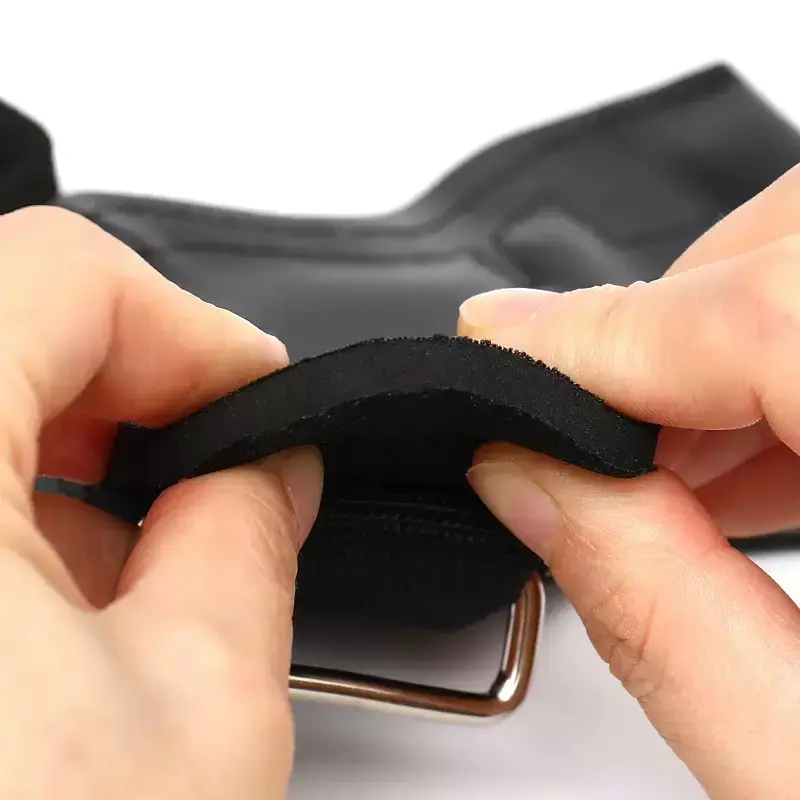
Balance between support and comfort: Generally speaking, the thickness of nylon waist belts is relatively thin, usually between 4-8mm, and its support is moderate, but relatively comfortable; while the thickness of cowhide waist belts is around 10-13mm, which can provide stronger support and is suitable for high-load training, but it is relatively not soft enough, and long-term wearing may have a certain impact on comfort. Therefore, when choosing the thickness of the waist belt, it is necessary to determine it according to the training intensity and comfort requirements of the target customers.
Dimensional stability: Thicker waist belts are relatively more stable in size during use, not easily deformed by stretching, and can better maintain the support effect on the waist; while thinner waist belts may have certain stretching deformation during high-intensity training, thus affecting their support performance. Therefore, for some high-demand customers, thick waist belts may be more attractive.
Belt width
Support area and comfort: A wider waist belt can provide a wider support area, better disperse the waist pressure, and reduce the discomfort caused by excessive local force. It is especially suitable for training projects that put a heavy load on the waist, such as squats and deadlifts. However, a waist belt that is too wide may limit the range of motion of the body to a certain extent, affecting the flexibility and comfort of the training movements, especially when performing some movements that require a large twist of the waist. Therefore, it is necessary to choose the appropriate width according to different training needs.
Body adaptability: People of different body shapes also have different adaptability to the width of the waist belt. Generally speaking, people with a more burly figure may need a wider waist belt to get enough support; while people with a relatively thin figure can choose a narrower waist belt to ensure the support effect while avoiding too much restraint. Therefore, when choosing a waist belt, buyers should consider the needs of customers of different body shapes and provide a variety of width options.
Locking method
Convenience of use: The quick-release waist belt is the most convenient to use. It can be quickly put on and taken off with just a light press or a push. It is especially suitable for use when the body is tired after high-intensity training and does not want to spend time adjusting the waist belt. Although the double-breasted waist belt has higher adjustment accuracy, it needs to align the buttonholes manually and fasten them, which is relatively troublesome, but its connection is stable and will not easily loosen.
Durability and reliability: The metal buckle part of the quick-release waist belt may wear out and loosen during long-term and frequent use, affecting its service life and reliability; the buttonholes and buckle pins of the double-breasted waist belt are relatively durable. As long as the material is good and the workmanship is excellent, it can maintain a stable connection for a long time. Therefore, when choosing the locking method, it is necessary to comprehensively consider the customer's usage habits and durability requirements.
4. Waist belt selection in different training scenarios
Strength training scenario
Squat training: Squat is a training project that requires extremely high waist strength and stability. When doing squats, it is recommended to choose a quick-release leather belt with a width of about 10-12 cm and a thickness of 10-13 mm. This belt can provide strong waist support, effectively disperse the pressure of the barbell on the waist, and prevent the lumbar spine from being injured due to excessive force. At the same time, the quick-release design is convenient for quick removal and re-wearing during rest between squat groups, which improves training efficiency.
Deadlift training: Deadlift is also a training that tests the strength of the waist. For deadlift training, you can choose a belt similar to squats, that is, a leather belt with moderate width, large thickness, and strong support. In addition, you can also consider choosing a belt with a thickened and widened lower back design to better protect the lumbar spine from injury during the deadlift process, especially when performing heavy deadlifts, which can provide more stable support for the waist and reduce the risk of waist injury.
Aerobic training scene
Running: During running, the waist needs to remain stable, while avoiding excessive restraints that affect breathing and running posture. Therefore, for running training, it is recommended to choose a nylon belt with a narrow width, thin thickness, light and breathable material. This belt can stabilize the waist to a certain extent, reduce the shaking of the waist during running, and at the same time will not cause too much burden on the body, allowing runners to train easily and comfortably, and improve the comfort and efficiency of running.
Spinning bike: The training intensity of spinning bike is relatively high, and the waist needs to be twisted constantly to drive the leg force. In this case, you can choose a nylon or elastic fiber belt with moderate width, certain elasticity and flexibility, and good breathability. Such a belt can allow the waist to move more flexibly while ensuring waist support, avoiding limiting the range of motion due to the belt being too hard or too tight, affecting the training effect and comfort. At the same time, good breathability can prevent excessive sweating of the waist, keep it dry, and allow the trainer to devote himself to the training of spinning bike.
Training scenarios for special groups
People with damaged lumbar spine: For people with damaged lumbar spine problems, they need to be more cautious when choosing a belt. Priority should be given to waist belts that have good lumbar support and cushioning functions and can effectively reduce lumbar pressure. Generally speaking, some waist belts designed specifically for lumbar strain usually add additional cushioning pads or support structures in key parts of the waist, such as memory foam pads, silicone pads, etc., to disperse pressure and relieve pain. In addition, the material of this type of waist belt should have good breathability and comfort to avoid secondary damage to the damaged lumbar spine. At the same time, it should be noted that the tightness of the belt should be easy to adjust and can be flexibly adjusted according to personal comfort to meet the needs of people with different degrees of lumbar damage.
Rehabilitation training population: During the rehabilitation training stage, it is also very important to choose a suitable waist belt. The purpose of rehabilitation training is to gradually restore the function of the waist and enhance the strength of the waist muscles. Therefore, the selected waist belt should have appropriate support and flexibility, which can provide necessary protection for the waist without limiting the range of joint movement and affecting the rehabilitation process. For example, some lightweight nylon waist support belts or waist support belts with elastic materials may be more suitable for people undergoing rehabilitation training. They can stabilize the waist to a certain extent and help restore muscle strength. At the same time, they allow for some simple rehabilitation training movements, such as waist flexion and extension, rotation and other exercises, to promote the recovery of waist function. At the same time, the comfort and breathability of the waist support belt should not be ignored, so that the rehabilitation trainees can wear it for a long time without feeling uncomfortable and better adhere to the rehabilitation training plan.
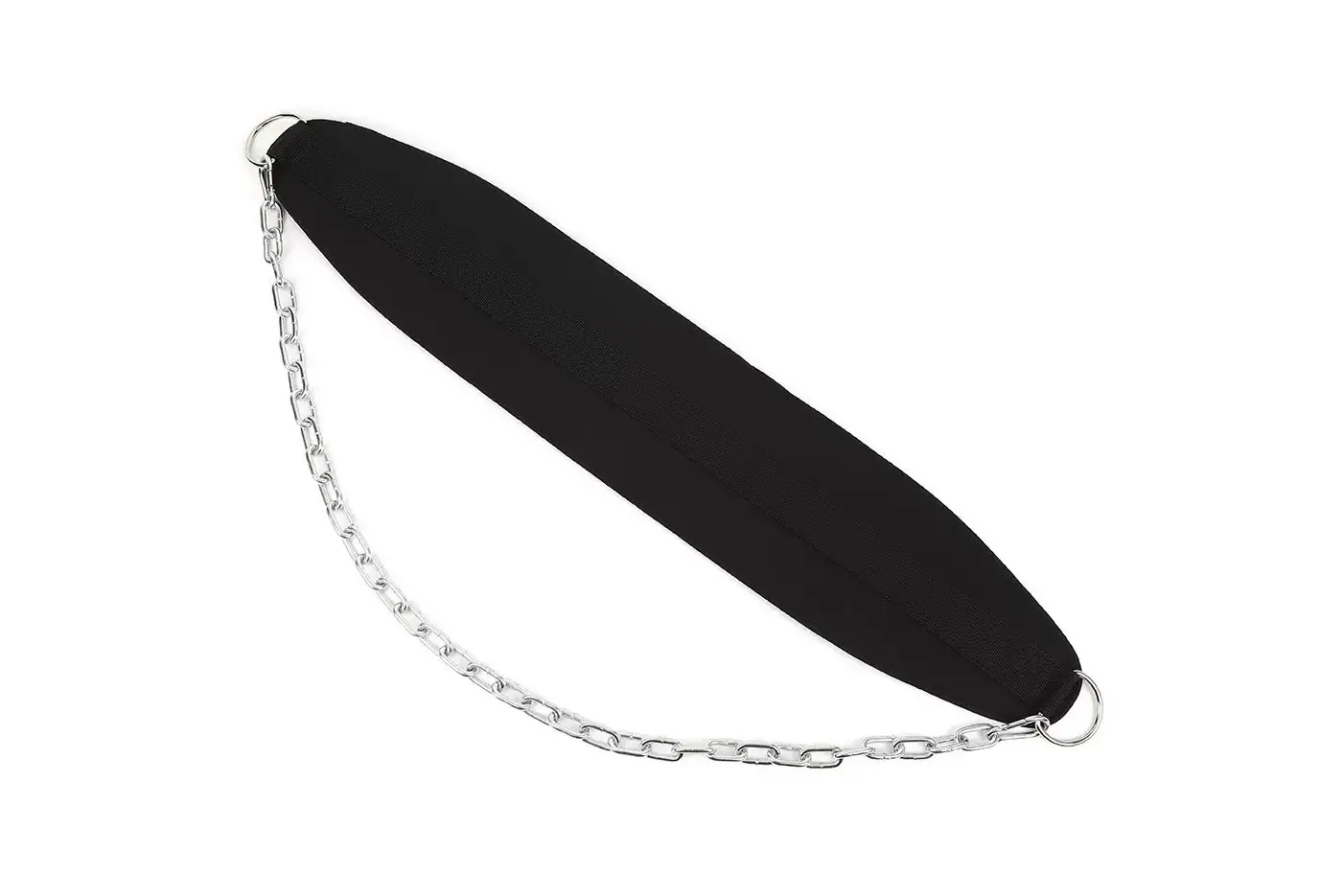
5. Evaluation of the waist belt
Appearance inspection: First, check whether the surface of the waist belt is smooth and tidy, without obvious scratches, cracks, discoloration and other defects. Leather waist belts should have natural texture, uniform texture and no odor; nylon waist belts should be checked for tight weaving, looseness and damage. Secondly, check the stitching quality of the waist belt. The stitching of high-quality products should be neat and uniform, with fine stitches, without skipped stitches or missed stitches, which not only affects the beauty of the waist belt, but also affects its service life and durability. In addition, pay attention to the quality of the waist belt accessories, such as locks, adjustment belts, etc. These accessories should have a smooth surface, no burrs, strong materials, no obvious deformation or damage, to ensure that they can function normally during use, and will not cause the waist belt to fail or be damaged due to accessory problems.
Material detection: By touching and feeling the material of the waist belt, you can preliminarily judge its quality and comfort. For leather materials, it should have a certain degree of softness and elasticity when touched by hand, not too hard or too brittle. At the same time, you should smell whether there is a pungent odor. High-quality leather usually has a natural leather smell, while low-quality leather may emit a strong chemical smell, which may mean that too many harmful chemicals are used in the processing process, causing potential harm to human health. For synthetic fiber materials such as nylon, check whether its texture is delicate, rough, or prickly, and whether it has good breathability. You can make a simple judgment by bringing the waist belt close to your face and feeling its breathability. In addition, you can also understand the material composition and characteristics of the waist belt by consulting the product manual or consulting the supplier, so as to more accurately evaluate its quality.
Support performance test: When actually trying on the waist belt, you can test its support performance through some simple movements. For example, stand, bend, twist, etc., to feel whether the waist belt can fit tightly to the waist, provide uniform support, and whether there is excessive local pressure or insufficient support. When doing weight training, such as squats and deadlifts, you can gradually increase the weight to observe whether the waist belt can effectively reduce the pressure on the waist, maintain the stability of the lumbar spine, and prevent excessive bending or twisting. In addition, you can also compare waist belts of different brands and styles to feel the difference in their support effects under the same training conditions, so as to choose products with better support performance.
Durability test: Durability is one of the important indicators for evaluating the quality of waist belts. The waist belt can be repeatedly stretched, twisted, folded and other tests to observe the stability of its material and structure to see if there is obvious deformation, rupture or loosening. At the same time, in daily use, pay attention to record the frequency of use, intensity of use and problems of the waist belt, so as to conduct long-term tracking and evaluation of its durability. In addition, you can also refer to the evaluation and feedback of other users to understand the durability reputation of the brand waist belt in the market, so as to have a more comprehensive understanding of its quality status.
6. Market trends and purchasing suggestions for waist belts
Market trend analysis
Intelligence and technology: With the continuous advancement of science and technology, intelligent elements are gradually integrated into Fitness Waist Belt products. Some high-end brands of waist belts are equipped with sensors and smart monitoring chips, which can monitor the user's lumbar pressure, correct posture, exercise intensity and other data in real time, and connect to the mobile phone APP through Bluetooth for analysis and feedback, providing users with personalized training suggestions and health management plans. This intelligent waist belt not only has a protective function, but also helps users better understand their physical condition and training effects, improve the scientificity and effectiveness of fitness, and is expected to become an important development direction of the Fitness Waist Belt market in the future.
Personalization and customization: Consumers' demand for personalized fitness equipment is growing, which also prompts the Fitness Waist Belt market to develop in the direction of personalization and customization. More and more brands are beginning to provide customized services, tailoring the color, pattern, material, size and other parameters of the waist belt according to the customer's body shape, training needs, preferences, etc., to meet the personalized requirements of different customer groups. In addition, some brands have also cooperated with fashion designers, well-known athletes, etc. to launch limited edition or co-branded waist belts, which are both practical and have certain collection value and fashion elements, further promoting the segmentation and personalized development of the waist belt market.
Environmental protection and sustainable development: With the increasing awareness of environmental protection, the production and manufacturing of Fitness Belts are gradually shifting towards environmental protection and sustainability. More and more brands are beginning to use environmentally friendly materials, such as recyclable polyester fibers and organic leather, to reduce environmental pollution and waste of resources. At the same time, in the packaging and transportation of products, more attention is paid to environmentally friendly design, using simple packaging and degradable materials to reduce carbon emissions. This kind of environmentally friendly Fitness Belt product will be more in line with the development trend of the global market in the future, and it is easier to gain recognition and support from consumers.
Procurement suggestions
Supplier screening: As an international wholesale buyer, a comprehensive investigation and evaluation should be conducted when screening suppliers. First of all, the qualifications and reputation of the supplier should be checked, and manufacturers with good reputation, rich production experience and professional production capacity should be selected for cooperation to ensure product quality and supply stability. Secondly, attention should be paid to the supplier's product research and development capabilities and innovation capabilities, so that they can keep up with market trends in a timely manner, launch new products that meet consumer needs, and provide buyers with differentiated competitive advantages. In addition, factors such as the supplier's geographical location, transportation costs, and delivery time should also be considered, and comprehensive considerations should be made to select the most suitable supplier partner.
Product combination strategy: In order to meet the needs of different customer groups, it is recommended to adopt a diversified product combination strategy. According to market research and customer demand analysis, reasonably match waist belt products of different materials, styles, and functions, such as purchasing nylon waist belts, double-buckle cowhide waist belts, quick-buckle cowhide waist belts, etc., as well as professional waist belt products for special groups. In addition, it is also possible to introduce some waist belt products with intelligent monitoring functions, personalized customization services or environmentally friendly waist belts in a timely manner in combination with market trends to enrich the product line and improve market competitiveness.
Quality control and after-sales service: In the procurement process, it is necessary to attach importance to quality control and after-sales service. Sign a detailed procurement contract with the supplier, clarify the terms such as quality standards, inspection methods, return and exchange policies, and ensure that the purchased waist belt products meet the quality requirements. After the product arrives, strict sampling and acceptance should be carried out. If any problems are found, communicate with the supplier in time to solve them to avoid quality problems affecting the customer's experience and the buyer's business reputation. At the same time, it is necessary to establish a complete after-sales service system to provide customers with product consultation, technical support, return and exchange processing and other services to solve customers' worries and improve customer satisfaction and loyalty.
7. Summary
As an indispensable auxiliary tool in fitness training, the importance of Fitness Belts is self-evident. For international wholesale buyers, in-depth understanding of the types of Fitness Belts, key points for purchase, applicable scenarios and market trends will help to select high-quality Fitness Belts that meet market demand from many products, provide customers with better products and services, and thus occupy a favorable position in the fierce market competition. I hope that through the introduction of this article, it can help you make more wise decisions in the purchase process of Fitness Belts, seize market opportunities and achieve business success.