
Leave Your Message



How to Wear a Sports Fitness Belt Correctly
Introduction
In the field of fitness, sports Fitness Belts are a widely used auxiliary tool, which plays an important role in protecting the waist and improving training effects. However, many fitness enthusiasts and international wholesale buyers may not fully understand how to wear sports Fitness Belts correctly to fully utilize their effectiveness and avoid potential risks. This article will explore this topic in depth and bring you a detailed and practical wearing guide.
1. The role of sports fitness belts
Support the waist: When performing heavy squats, deadlifts, bench presses and other movements, the belt can provide additional support for the waist, reduce the pressure on the waist muscles and spine, and reduce the risk of injury.
Increase intra-abdominal pressure: After wearing the belt correctly, combined with abdominal breathing, the abdominal pressure can be evenly distributed, the core stability can be enhanced, the body's balance ability and the accuracy of the movement can be improved, so as to better complete the training movements and improve the training effect.
Warming effect: Fitness Belts made of cowhide have a certain degree of warmth retention, which can promote blood circulation in the waist and relieve waist fatigue. This effect is particularly important for some people with old waist diseases or who train in cold environments.
2. Choose a suitable fitness belt
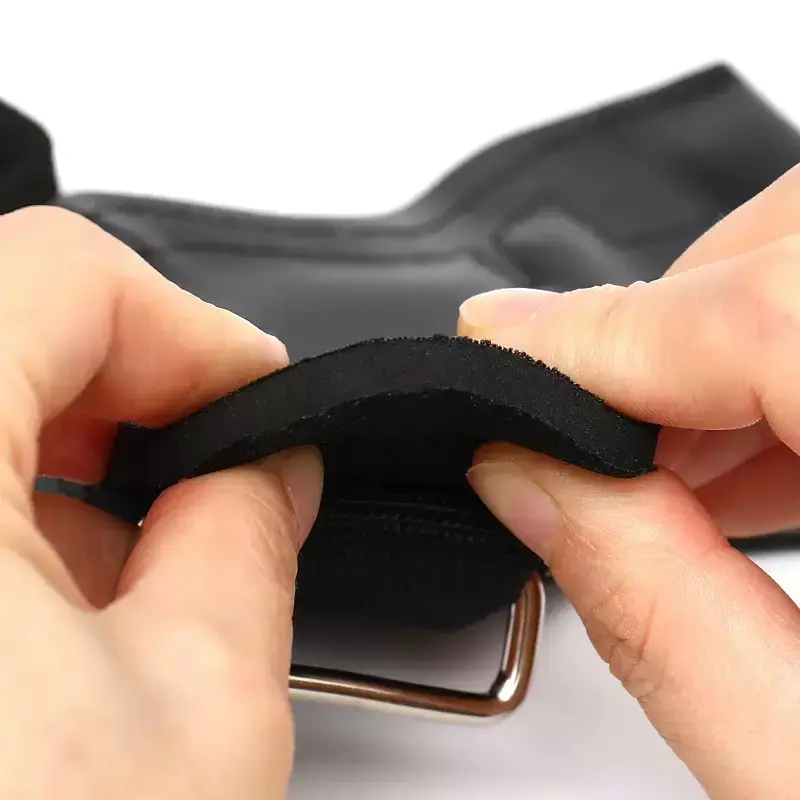
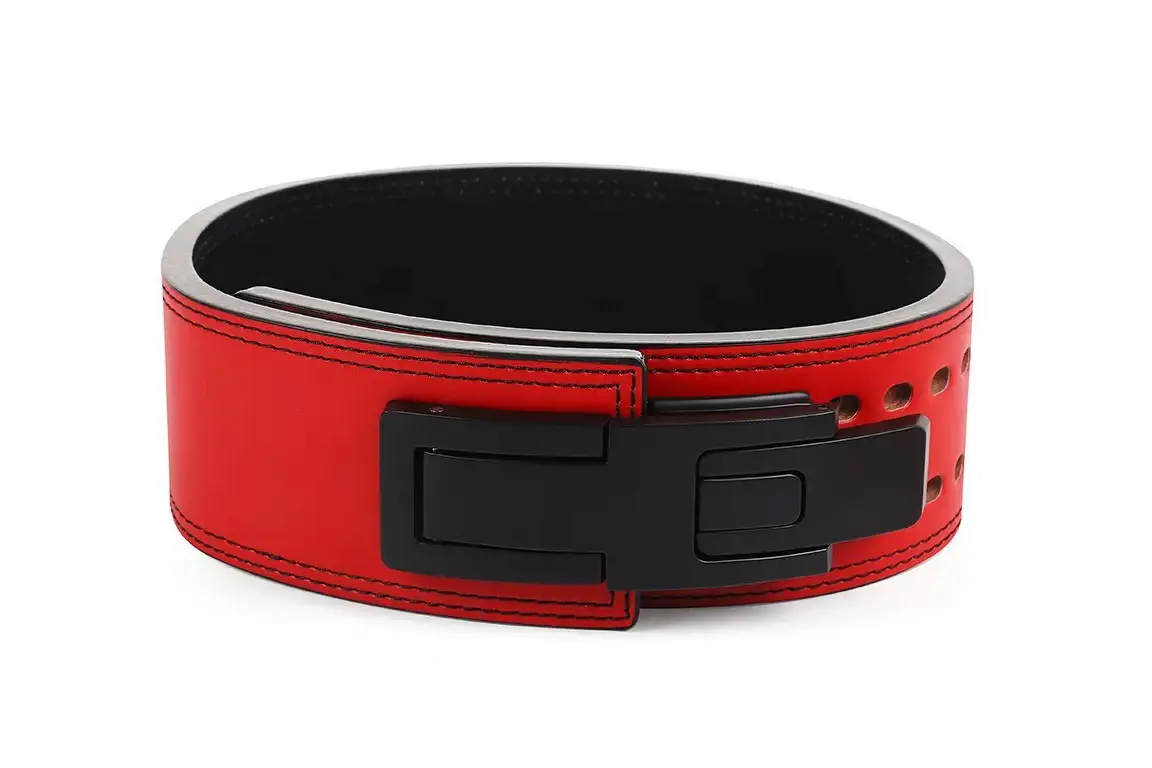
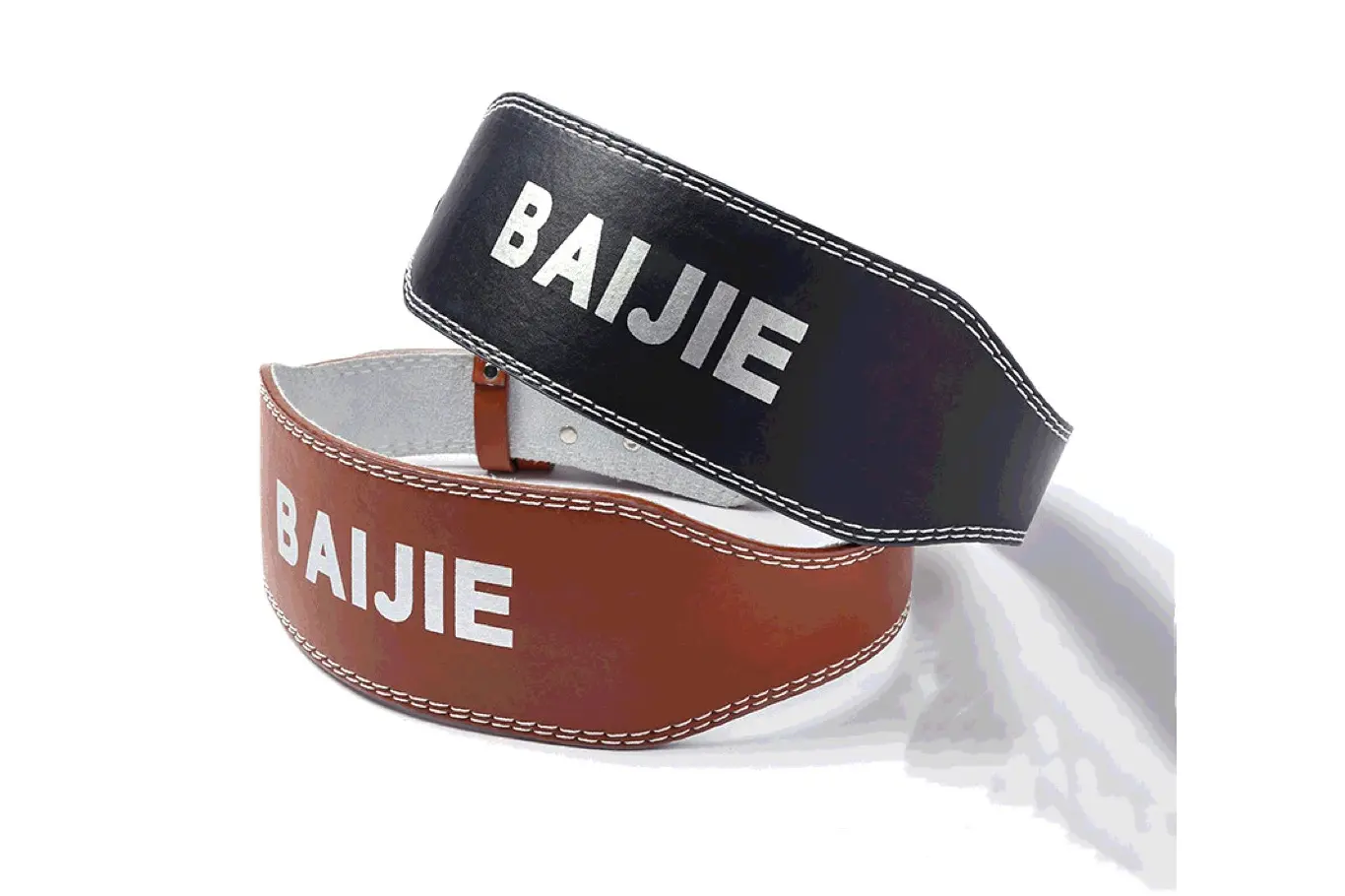
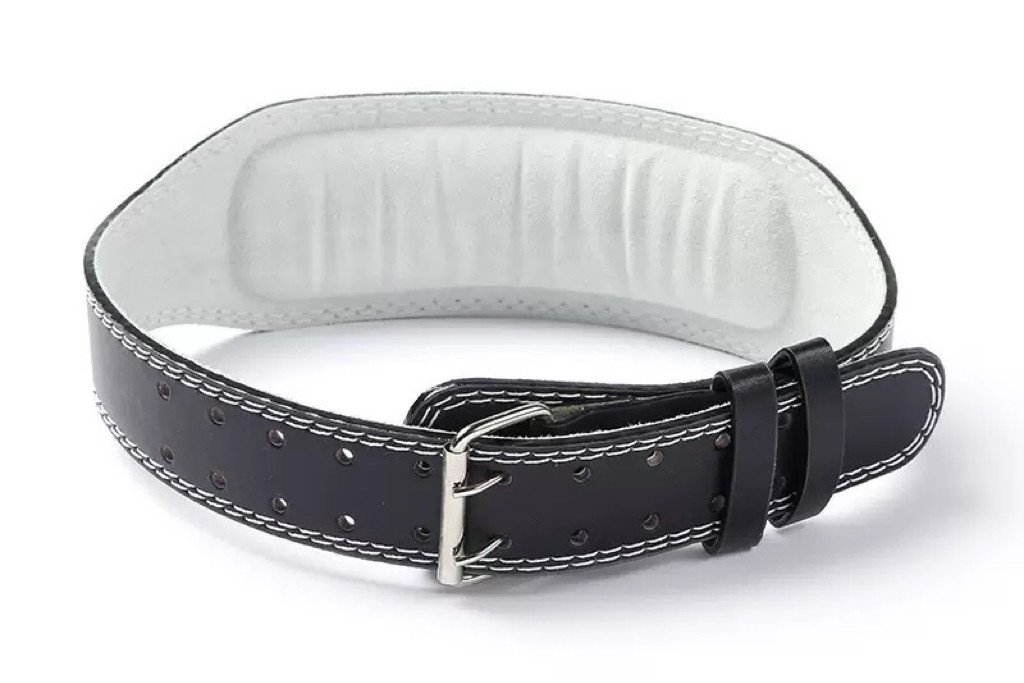
Material: Cowhide is one of the high-quality materials for making Fitness Belts. It has good flexibility, durability and breathability, can be used for a long time and is not easy to deform, providing stable support and comfortable wearing experience for the waist. When choosing, pay attention to the texture of the cowhide. The surface of high-quality cowhide is smooth and delicate, with clear texture and no obvious defects.
Width and length: The width and length of the belt should be selected according to personal physical characteristics and training needs. Generally speaking, belts with a width of 4-6 inches are more common and can provide sufficient support for most fitness movements. The length should ensure that it can wrap the waist tightly and leave a gap of 1-2 fingers after wearing to ensure moderate tightness.
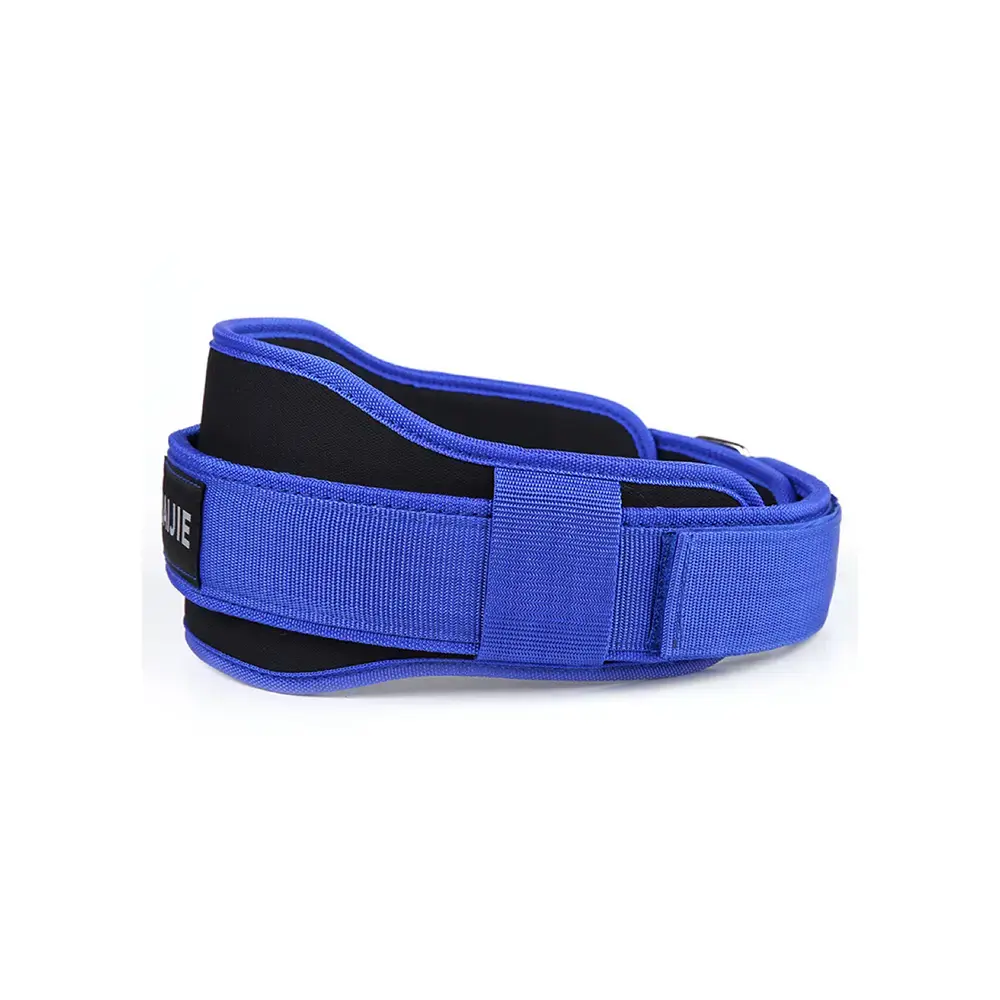
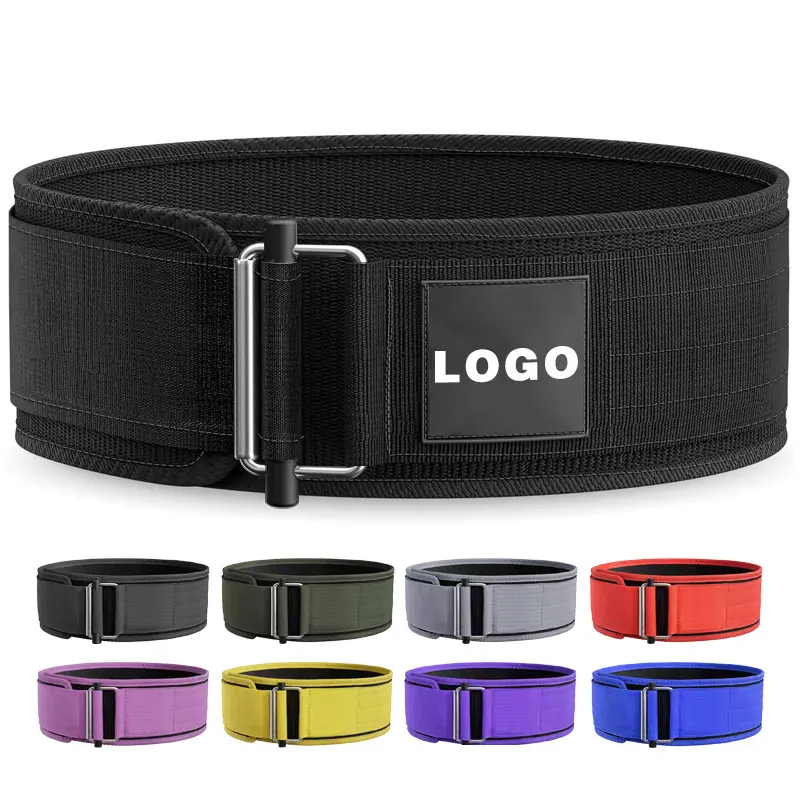
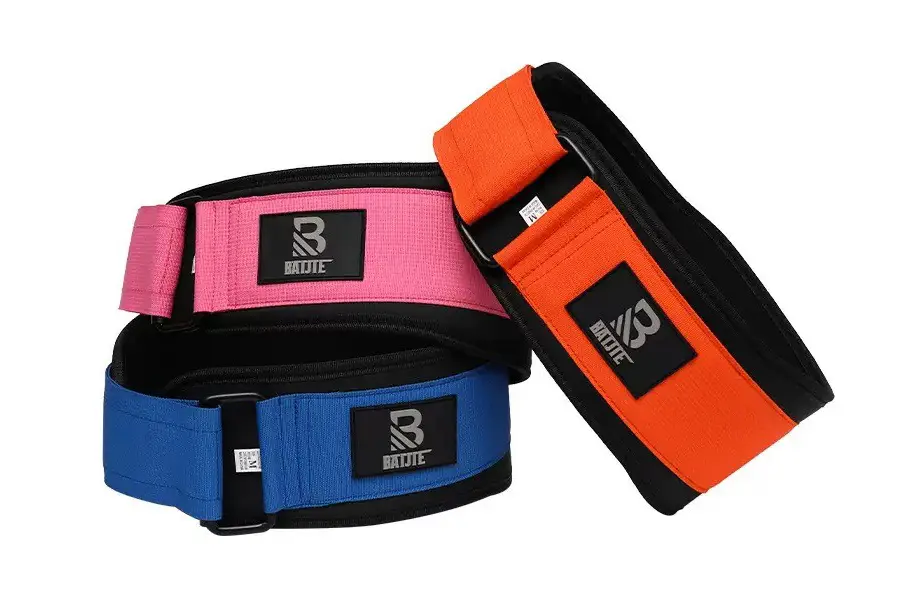
Style: Common Fitness Belts have ordinary styles and wing styles. The ordinary belt is simpler and suitable for most fitness movements; the belt with wings has wings on both sides, which can better fix the waist and prevent excessive lateral bending of the waist. It is more suitable for some people with poor waist stability or high-difficulty training.
3. Steps to wear a fitness belt correctly
Adjust the size of the belt
First, unfold the belt, find the middle of the belt, and align it with the thinnest part of the waist about 2-3 cm above the navel. This position is usually above the pelvis and below the diaphragm. It is an area where the waist strength is more concentrated and needs to be protected.
Wrap the two ends of the belt around the back. Don't rush to tighten it, but make sure that the belt is placed correctly. You can ask others to help check or check it yourself in front of the mirror, and adjust the upper and lower positions of the belt so that it fits naturally with the waist without skewing or twisting.
Determine the tightness
Grasp the two ends of the belt with both hands behind your back, gently tighten it, and then insert a finger between the belt and the abdomen, so that you can easily insert a finger. If you can't insert your fingers, it means the belt is too tight and needs to be loosened appropriately; if you can insert two or more fingers, it means the belt is too loose and needs to be tightened further.
After adjusting the tightness, tighten the buckle of the belt to ensure that the belt will not loosen or shift during training. At the same time, check the wearing position and tightness of the belt again to ensure that it is correct.
Feel the core force
After wearing the belt, take a few deep breaths and feel the force of the core muscles. When inhaling, the abdomen bulges slightly, and the air is sucked into the abdomen, so that the abdomen and the belt have a certain resistance; when exhaling, tighten the abdominal muscles to further enhance the core stability.
You can try some light weight squats, deadlifts and other compound movements to feel the support of the belt on the waist and the cooperation between the core muscles and the belt. In this process, pay attention to adjusting the breathing rhythm and force method to gradually adapt the body to the state of wearing a belt training.
4. Wearing skills for different training movements
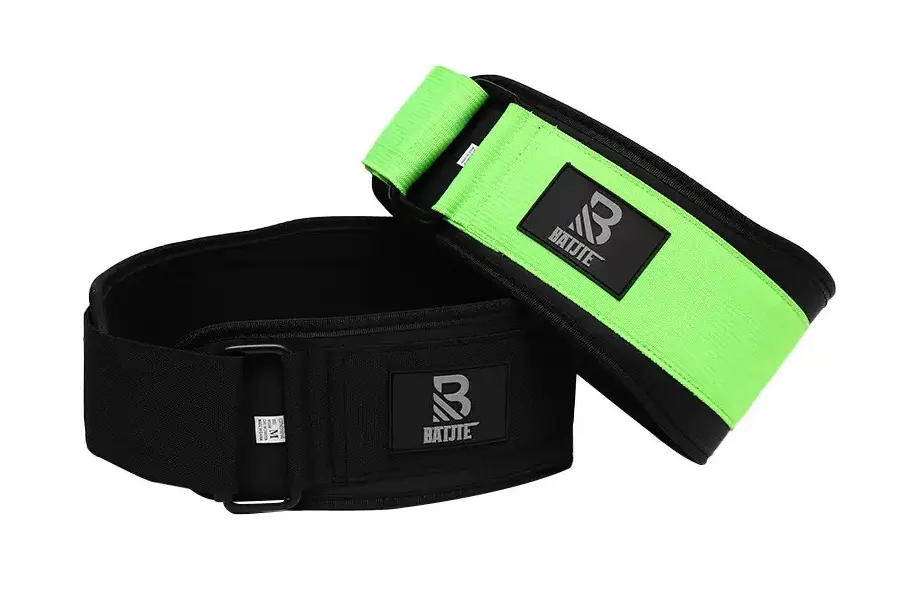
Squat: When doing squats, the wearing position of the belt can be slightly adjusted downward so that the lower edge of the belt just covers the navel or is slightly lower than the navel. This can better protect the waist and prevent injuries caused by excessive flexion or extension of the waist during squats. At the same time, during squats, keep the belt close to the waist, ensure that the waist is always in a neutral position, and use the support of the belt and the strength of the core muscles to stabilize the body and complete the squatting movement.
Deadlift: When deadlifting, the wearing position of the belt is similar to squats. Make sure that the belt is located at the thinnest part of the waist to provide strong support for the waist. In the process of pulling up the barbell, fully mobilize the strength of the core muscles to form a synergistic effect with the belt to avoid excessive force on the waist. At the same time, pay attention to keeping the belt stable during the process of pulling up and putting down the barbell, and do not let the belt slide up and down or shake left and right to avoid affecting the stability and safety of the movement.
Bench press: When doing bench press, the belt can be slightly adjusted upwards so that it is between the waist and the lower back. When doing bench press, the waist will naturally stick to the bench surface. At this time, the belt can play a certain role in fixing and supporting, helping to maintain the stability of the waist and reduce the pressure concentration caused by excessive arching or sinking of the waist. At the same time, in the process of pushing up the barbell, tighten the abdominal muscles and work with the belt to resist the weight of the barbell to improve the stability and safety of the movement.
5. Precautions for wearing a fitness belt
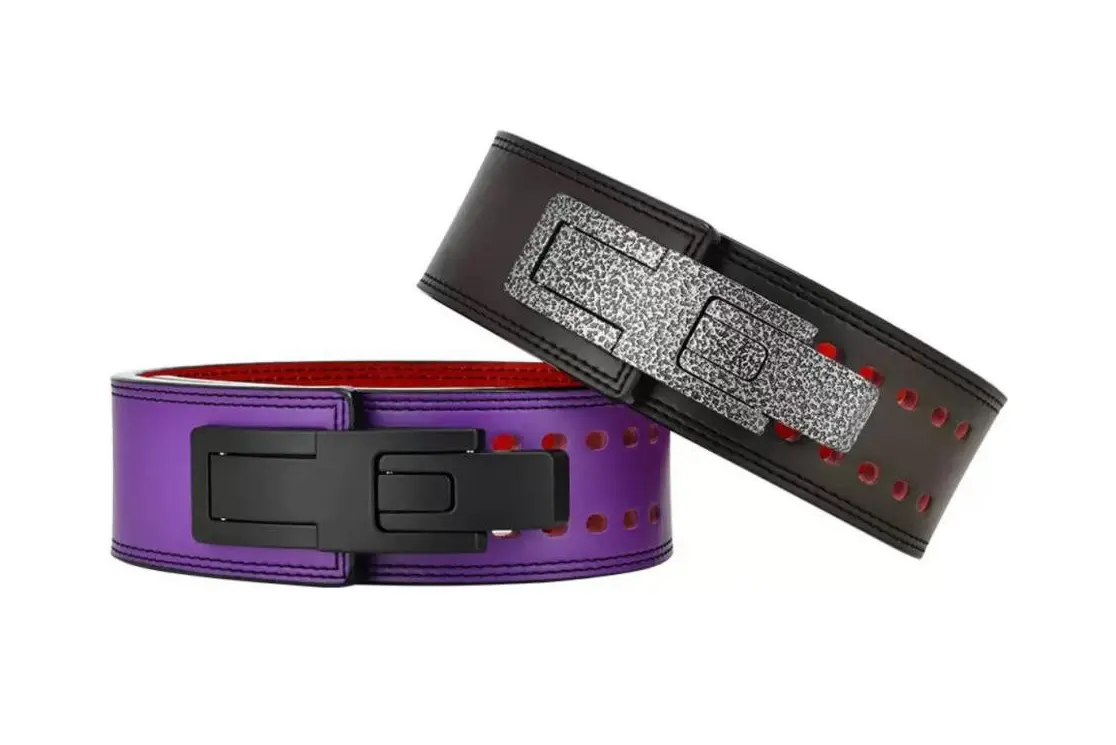
Wearing time: Although wearing a Fitness Belt can provide many benefits, it is not suitable to wear it continuously for a long time. Generally speaking, it is recommended to wear a belt when performing heavy compound action training, such as squats, deadlifts, bench presses, etc.; while performing light weight isolated training movements, such as biceps curls, triceps presses, leg curls, etc., and abdominal muscle training, you can not wear a belt. In addition, appropriate "equipment-free days" should be arranged to allow the core muscles to be fully exercised and developed to avoid over-reliance on belts.
Adaptation process: For those who wear Fitness Belts for the first time, an adaptation process is needed. At the beginning, you can use lighter weights for training and gradually get familiar with the feeling and force of wearing the belt. As the body adapts to the belt, gradually increase the intensity and weight of training. At the same time, pay attention to the body's reaction during training. If you experience discomfort symptoms such as waist pain, difficulty breathing, dizziness, etc., you should stop training immediately, check whether the belt is worn correctly, and adjust it according to the situation.
Cleaning and maintenance: Cowhide Fitness Belts are easily stained with sweat and stains after use. If they are not cleaned and maintained in time, their service life and performance will be affected. Therefore, after each use, wipe the surface of the belt with a clean damp cloth to remove sweat and stains, and then place it in a ventilated place to dry naturally, avoiding direct sunlight and high temperature baking. At the same time, perform simple maintenance on the belt regularly, such as wiping it with leather-specific maintenance oil to maintain the softness and gloss of the belt.
6. FAQ
Will wearing a belt weaken the core muscles?
No. In fact, wearing a belt can encourage the core muscles to contract more vigorously, forming a counterforce with the belt, thereby enhancing core stability. However, if you rely too much on the belt and do not pay attention to the training of the core muscles in daily life or training, it may lead to uneven development of the strength of the core muscles.
Does the belt affect the size of the waist?
No. The main function of the Fitness Belt is to provide waist support and stability, and it does not have a direct impact on the size of the waist. The thickness of the waist mainly depends on factors such as personal muscle, fat, bone structure and genes.
How to determine whether the size of the belt is suitable for you?
You can refer to the following method: unfold the belt, lay it flat on the table, and measure the circumference of the inside of the belt. Then, use a soft ruler to measure the circumference of the thinnest part of your waist and compare this value with the circumference of the inside of the belt. Generally speaking, the circumference of the inside of the belt should be about 5-10 cm larger than the circumference of your waist, so as to ensure that the belt can leave a suitable gap after wearing it, neither too tight nor too loose.
7. Conclusion
Correctly wearing a sports Fitness Belt is of great significance to ensure the safety and effectiveness of fitness training. When choosing and wearing a belt, pay attention to its material, size, style and other factors, and master the corresponding wearing skills according to the characteristics of different training movements. At the same time, follow the wearing precautions, arrange the wearing time reasonably, avoid over-reliance, and do a good job of cleaning and maintenance of the belt. For international wholesale buyers, understanding this knowledge will help provide customers with advice and solutions, thereby increasing the added value and competitiveness of products and promoting business development.