
Leave Your Message



Pull-up gloves: How to Protect Your Shoulders by holding the bar Correctly
Pull-ups are a classic exercise for building upper body strength, but many trainers overlook the significant connection between the way they hold the bar and shoulder health. Improper grasping not only affects the training effect but may also bring unnecessary pressure to the shoulder joint. Choosing the right protective gloves and mastering the correct grip techniques can significantly enhance the safety and comfort of training.
Grip method: The first line of defense for shoulder protection
The way the palm contacts the crossbar is a key factor affecting the force on the shoulder. Different grips can alter the path of force transmission, thereby having completely different effects on the shoulder joint. The full grip allows the palm muscle groups to fully participate, forming a natural force line transmission and helping to stabilize the position of the scapula. Finger-dominated grasping may cause excessive tension in the forearm, which in turn leads to compensatory elevation of the shoulder and increases the pressure on the joint capsule.
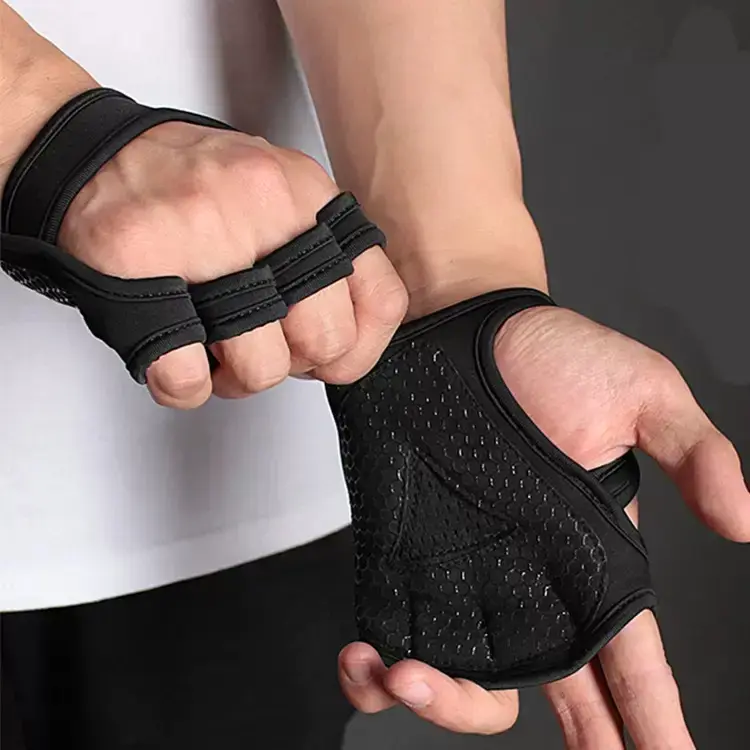
Gloves play an important role here. High-quality protective equipment not only offers anti-slip functionality, but more importantly, it enhances the fit between the palm and the crossbar through material properties. When the palm is properly supported, the forearm muscle groups can maintain an ideal working state, avoiding sudden adjustments caused by slipping. These minor adjustments are often the triggers of shoulder injuries.
Power Transmission: A Journey from the palm to the shoulder
The force generated during pull-ups needs to be transmitted along an exact path. The anti-slip surface of the gloves ensures the efficiency of force transmission starting from the palm, allowing the main muscle groups on the back to function fully. When the grip is stable, the latissimus dorsi and rhomboid muscles can contract in an ideal working pattern, thereby reducing the excessive load on the stabilizing muscle groups around the shoulder joint.
It is worth noting that the wrist Angle will directly affect the shoulder posture. When wearing gloves, the thickened palm pads naturally guide the trainer to adopt a more neutral wrist posture. This neutral position keeps the forearm bones, elbow joint and shoulder joint in the best force line alignment, avoiding any part of the structure from bearing the pressure of disproportionate.
Protective function: Beyond the deep value of anti-slip
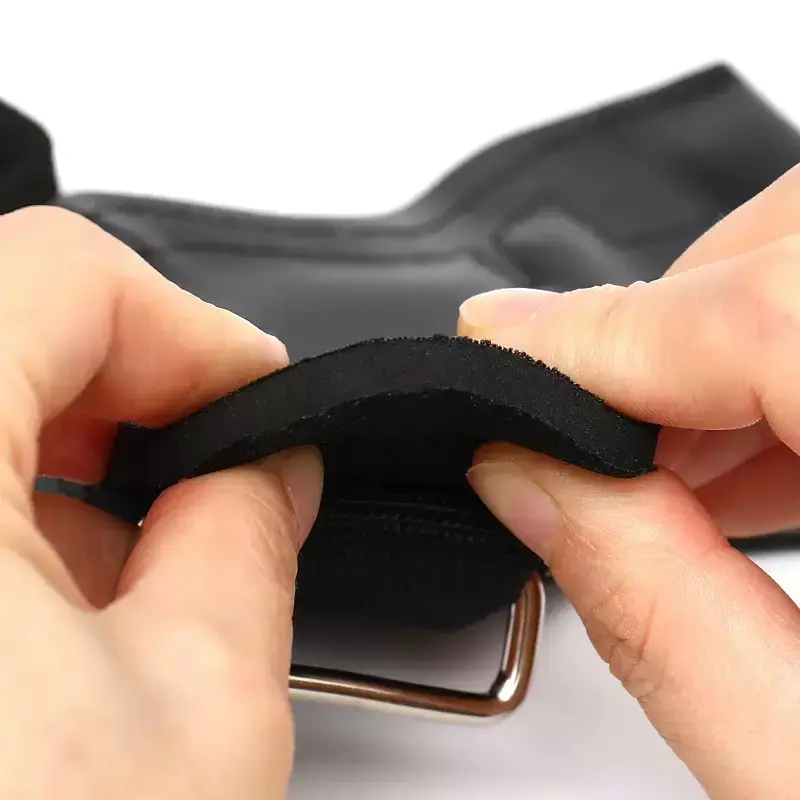
Many people simply understand Fitness Gloves as anti-slip tools, but in fact, their design considerations go far beyond that.High-quality gloves use materials of different densities at key parts, which not only ensures the perception of the crossbar but also provides sufficient cushioning. This balance is very important because complete isolation of perception can lead to improper use of grip strength, while insufficient buffering may cause premature fatigue of the hands.
When the hands become uncomfortable due to prolonged friction, the trainer will unconsciously adjust the movement pattern to relieve the pressure on the hands. These subtle compensatory adjustments are often reflected in changes in the way the shoulder moves, which may put the shoulder joint at a biomechanical disadvantage. Appropriate protective equipment breaks this vicious cycle, allowing trainers to focus on the correct execution of movements.
Movement pattern: The art of coordinating the grip with the shoulders
The perfect execution of pull-ups requires the precise coordination of the hands, forearms and shoulder straps. The sense of security provided by gloves enables trainers to have more confidence in activating their back muscles rather than relying on arm strength to complete movements. When the main muscle groups exert force correctly, the small muscle groups around the shoulder joint do not need to be overly involved to maintain stability, thereby reducing the risk of strain.
In addition, appropriate protection enables trainees to try different grip distances without worrying about hand discomfort. A wider grip distance is more dependent on the range of motion of the shoulder joint, while a narrower grip distance provides stronger stimulation to the latissimus dorsi muscle. No matter which way is chosen, as long as the palm is well protected, the shoulder can move within a safe range.
Sustainable Training: Investing in long-term health
The shoulder is the joint with the greatest range of motion in the human body and also one of the parts most prone to injury due to repetitive pressure. Proper protection of the hands is actually a long-term investment in shoulder health. When every interaction between the hand and the crossbar is optimized, the shoulder joint does not need to frequently deal with sudden adjustments caused by slipping or discomfort.
Truly effective protection is one that makes the trainer hardly feel its presence throughout the entire training process, yet they can enjoy the benefits it brings. Appropriate equipment should be like a natural extension of the body, enhancing abilities rather than restricting activities. When the hands are properly supported, the shoulders can freely move within their designed range, thus achieving safe and efficient training.
Understanding the relationship between the way of holding the bar and shoulder protection is an important part of improving the quality of pull-up training. By choosing the right protective equipment and mastering the correct grip technique, you can not only improve your training performance, but more importantly, lay a solid foundation for long-term sports health. Every grip should be a perfect combination of safety and efficiency, allowing your training journey to go further and more steadily.