
Leave Your Message



Purchasing Guide: Bulk Purchasing of Weightlifting Belts: How to Balance Cost, Quality and Delivery Time
In the field of strength training, Weightlifting Belts, as key equipment for protecting athletes' lumbar vertebrae, their quality and reliability directly affect the training effect and safety. For purchasers who need to buy Weightlifting Belts in bulk, how to control costs while ensuring product quality and taking into account the timeliness of delivery has become the core challenge in their purchasing decisions. This article will provide systematic guidance for bulk purchasing of Weightlifting Belts from four dimensions: quality identification of the product itself, cost structure analysis, supply chain management, and optimization of procurement strategies.
First, quality identification of Weightlifting Belts: The core standards from material to craftsmanship
The quality of Weightlifting Belts is directly related to their safety and durability in use. When purchasing, a comprehensive assessment should be conducted from three aspects: material properties, process details, and performance parameters.
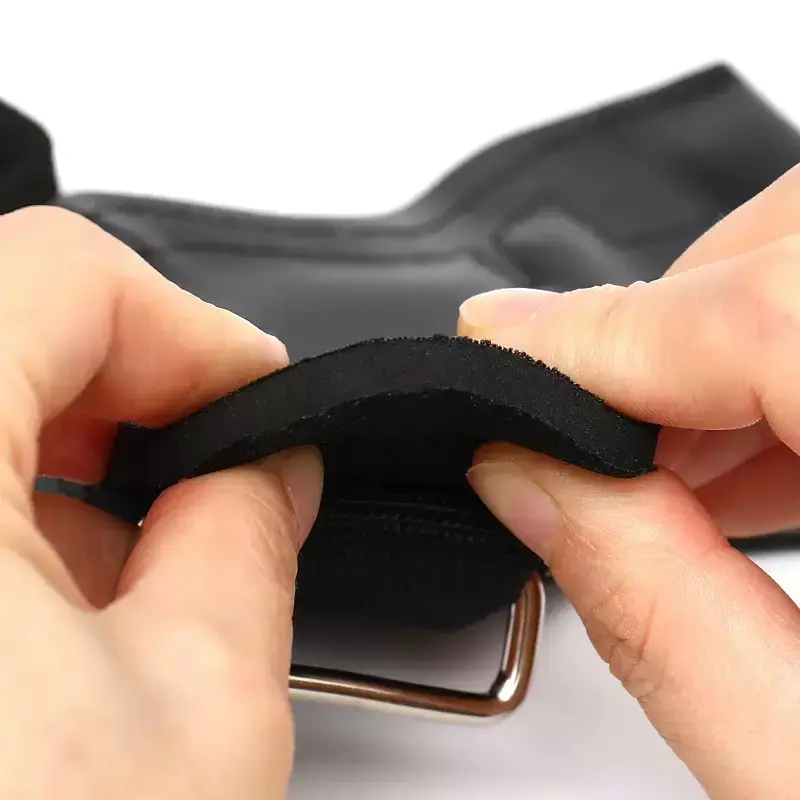
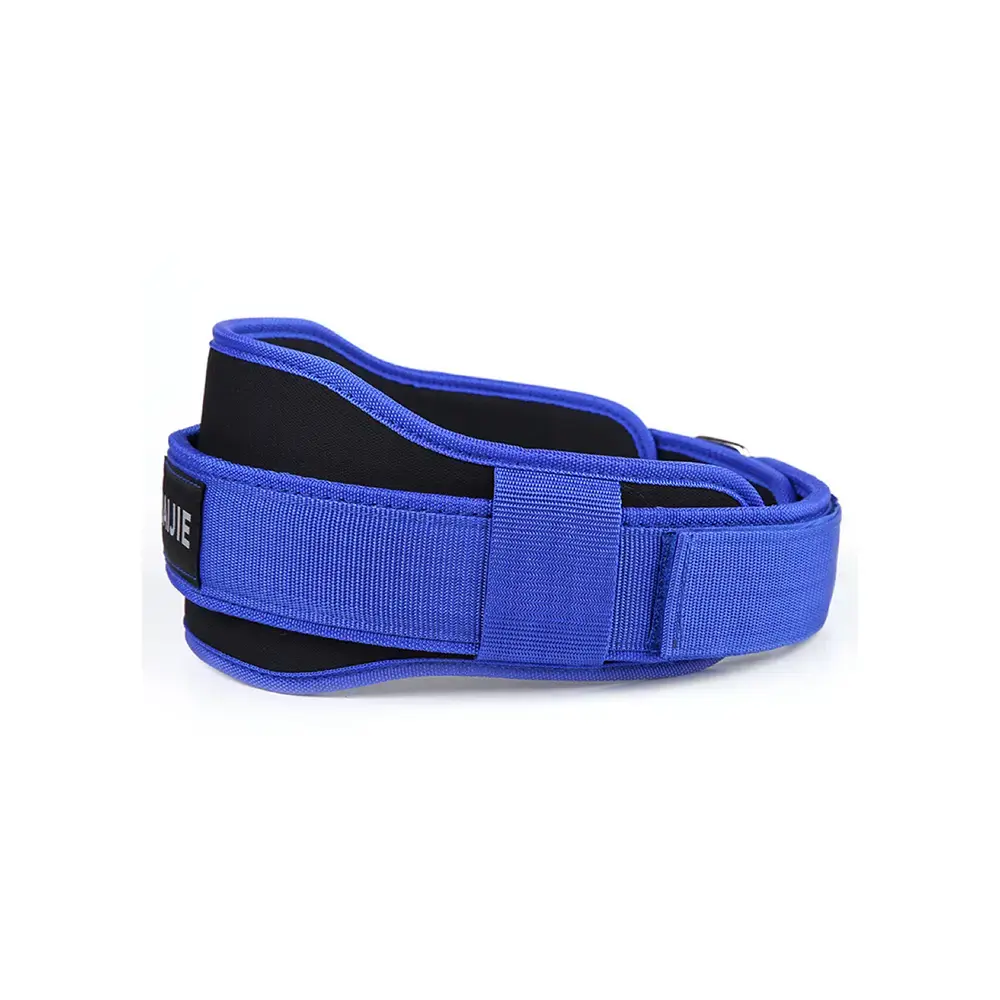
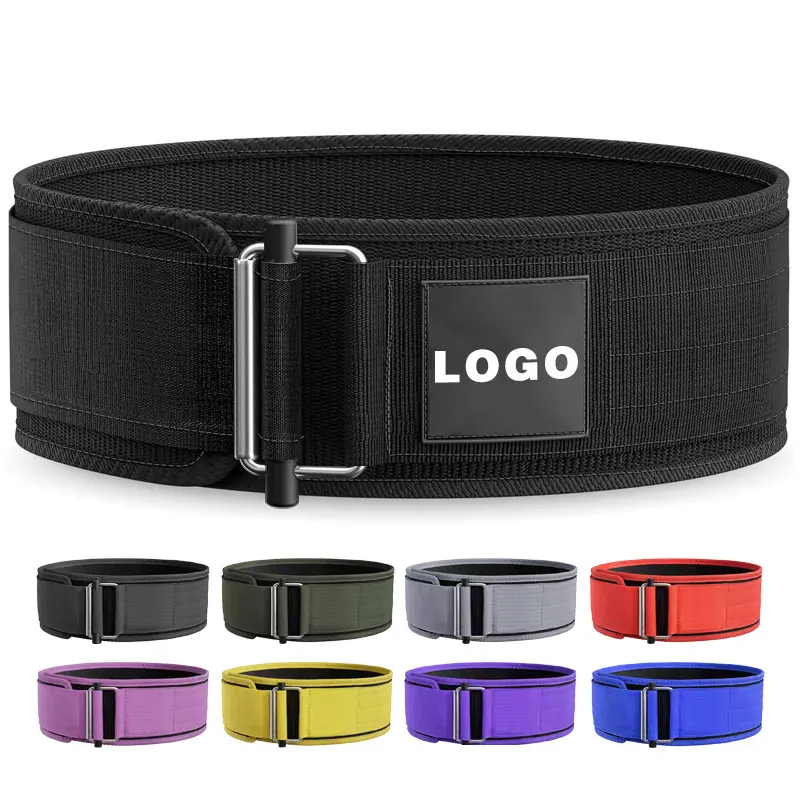
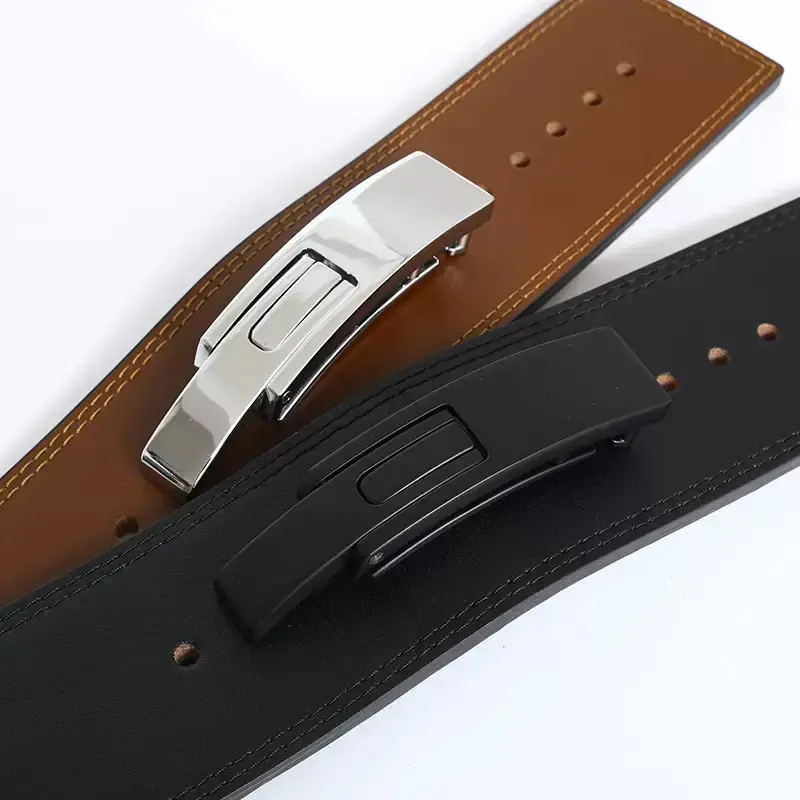
The core materials of Weightlifting Belts are mainly divided into three categories: leather, nylon and neoprene. Leather belts (especially those made of cowhide) have become the preferred choice for professional powerlifting events due to their tensile strength of 800-1200N, but they are relatively heavy and require some time to break in. The weight of nylon belts is only 60% of that of leather, and they have good breathability, making them suitable for training in high-temperature environments. Chloroprene rubber material stands out in functional training scenarios due to its excellent elasticity (with an elongation rate of up to 300%) and water resistance. When making purchases, it is necessary to select the matching material type based on the training scenarios of the target users to avoid quality complaints caused by the misuse of materials.
The key indicator of the craftsmanship details, the sewing process, is an important sign to judge the durability of the belt. High-quality products should be sewn with double-thread lockstitch, with the stitch spacing controlled at 3 to 4 stitches per centimeter, ensuring that the tear resistance at the seam reaches over 80% of the material's inherent strength. The material of the belt buckle should not be overlooked either. Aviation-grade aluminum alloy buckles are 40% lighter than steel buckles and have better anti-rust performance, making them suitable for long-term outdoor or humid environments. In addition, the edge treatment must meet the burr-free standard to avoid friction damage to the skin during training.
In the internationally recognized standards for Weightlifting Belts, width and thickness are the core parameters for quantitative evaluation of performance parameters. According to the regulations of IPF (International Powerlifting Federation), the width of a compliant belt must not exceed 10cm and its thickness must not exceed 13mm. When making a purchase, it is necessary to confirm whether the product parameters meet the competition standards of the target market. For example, USAPL in the United States and EPF in Europe allow a difference of ±0.5mm in thickness tolerance. Meanwhile, the bending fatigue test of the belt should be able to withstand at least 5,000 repeated bends without cracking, ensuring the reliability of long-term use.
Second, Cost structure Analysis: Deep Cost Control Beyond Unit Price
Cost control in bulk purchasing should not be confined to the unit price of products. A comprehensive analysis should be conducted from three dimensions: fluctuations in raw materials, production efficiency, and logistics solutions to achieve cost optimization throughout the entire chain.
The fluctuation pattern of raw material prices: Leather prices are significantly influenced by the livestock industry cycle. Due to the peak slaughtering season in the third quarter of each year, prices usually drop by 10-15%. In contrast, nylon materials have a strong correlation with crude oil prices. When purchasing, a long-term agreement can be signed to lock in the base price, and a fluctuation clause of no more than 5% can be set to cope with market fluctuations. In terms of auxiliary materials, the procurement cost of high-quality fasteners accounts for 15-20% of the total cost. Choosing modular designed fasteners can reduce the cost of mold replacement, especially suitable for bulk purchasing of multi-specification products.
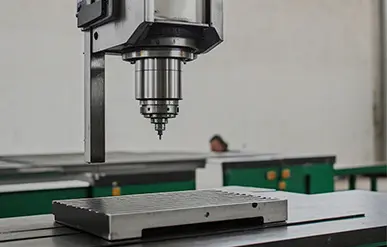
The cost conversion of production efficiency: The degree of automation in the production process directly affects the unit cost. The production line adopting CNC cutting technology can achieve a material utilization rate of up to 92%, which is 15 percentage points higher than that of traditional manual cutting, significantly reducing the cost of waste materials. At the same time, reasonable order volume planning can significantly reduce fixed costs - when the single purchase quantity exceeds 500 pieces, the unit production time can be shortened by 20%, and the labor cost allocated to each belt can be reduced by approximately 8%. It is suggested that the annual purchase volume be broken down into 3 to 4 batch orders based on the sales cycle to balance inventory pressure and production costs.
The hidden costs of logistics solutions: Although sea freight is low in unit price, the transportation time from China to major ports in Europe and America is as long as 30 to 45 days, and a 7 to 10-day customs clearance buffer period needs to be reserved, resulting in relatively high inventory turnover costs. The delivery time for air freight can be shortened to 3 to 5 days, but the freight cost is 6 to 8 times that of sea freight. For markets with obvious seasonal demands, a mixed solution of "sea freight + air freight" can be adopted: 70% of the goods are transported by sea to reduce the basic cost, and 30% of the goods are reserved for air freight to deal with sudden order demands. In addition, choosing a logistics provider with bonded warehousing services can delay the payment of import duties by 30 to 60 days, thereby enhancing the capital turnover rate.
Third, supply chain management: Balancing delivery time and risk control
The stability of delivery time depends on the collaborative efficiency of each link in the supply chain. A reliable supply system needs to be constructed from three aspects: production cycle optimization, supplier evaluation, and emergency response mechanism.
The scientific planning of the production cycle: The production cycle of standard styles of weightlifting belts is usually 15 to 20 days, while customized products (such as those with special logos or colors) require an additional 7 to 10 days for mold opening and trial production. When making purchases, it is necessary to clearly distinguish the proportion of standard products and custom-made products. Allocate 80% of the purchase volume to standard styles to shorten the delivery cycle, and 20% to customized demands to meet special markets. At the same time, when confirming the production schedule with the supplier, a quality inspection buffer period of 3 to 5 days should be reserved to avoid quality problems caused by rushing the work.
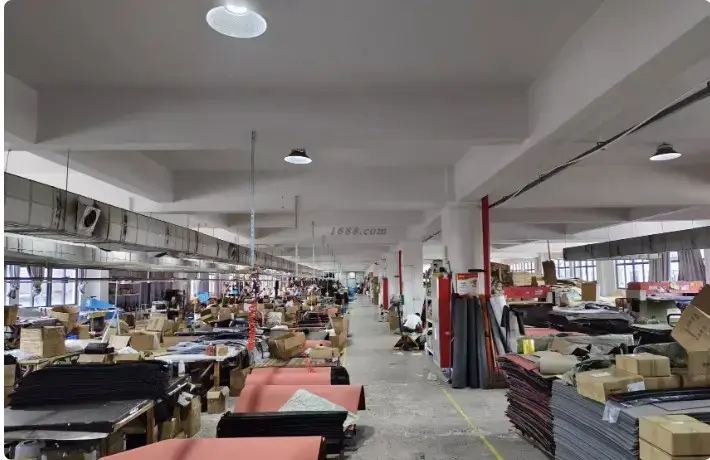
When choosing a supplier, in addition to examining its production capacity, it is even more important to pay attention to the resilience of its supply chain. Give priority to choosing suppliers with their own raw material warehouses. Such suppliers can usually handle up to 30% of temporary order adjustments, while those relying on external procurement may experience delivery delays due to material shortages. In addition, ISO9001 quality management system certification is a basic requirement. The product qualification rate of enterprises that have obtained this certification is usually 12 to 15 percentage points higher than that of non-certified enterprises. It is recommended to conduct an on-site inspection of suppliers once every quarter, with a focus on assessing their equipment maintenance status and employee training systems.
The design of risk response plans: The uncertainty of the global supply chain requires the establishment of a multi-dimensional emergency response mechanism. Two to three backup suppliers can be selected, among which at least one is located in a different geographical area to avoid the impact of regional natural disasters or policy changes. When the main supplier is at risk of delay, the standby supplier should be able to start production within 48 hours to ensure that the total order delivery delay does not exceed 5 days. At the same time, clearly stipulate the compensation clause for delayed delivery in the procurement contract. Usually, a penalty of 0.5% per day but no more than 5% cumulatively of the order amount is set as a penalty to balance the risks of both parties.
Fourth, Procurement strategy optimization: Data-driven decision-making model
The ultimate goal of bulk purchasing is to achieve a dynamic balance among cost, quality and delivery time. It is necessary to build a scientific decision-making system through demand forecasting, selection of purchasing timing and innovation of cooperation models.
The quantitative method for demand forecasting is based on historical sales data to establish a regression analysis model. By incorporating seasonal factors (such as the fitness peak season typically occurring from January to March and from September to November), event cycles (with a sharp increase in demand 6 to 8 weeks before major powerlifting competitions), and other variables into the forecasting system, the accuracy rate of purchase volume can be increased to over 85%. For newly entered markets, a combined strategy of "small-batch trial sales + exponential smoothing method" can be adopted: the initial purchase volume should be controlled at 60% of the expected demand, and subsequent orders should be dynamically adjusted based on the sales data of the first month to avoid excessive inventory.
The dynamic selection of procurement timing, along with fluctuations in raw material prices and exchange rates, creates a window period for cost optimization. By monitoring the CRB commodity index (reflecting the price trend of bulk commodities) and the exchange rate of the target market currency, when the price of leather drops by more than 8% month-on-month or the RMB depreciates by more than 5% against the target currency, bulk purchasing can be initiated to lock in cost advantages. At the same time, avoid the peak period of international logistics (such as the two months before the Christmas season in Europe and America), when ocean freight prices may rise by 30-50%, and the tight space will lead to an extension of the delivery cycle.
The innovative practice of the cooperation model involves establishing a VMI (Vendor Managed Inventory) model with core suppliers. Suppliers can proactively replenish goods based on real-time sales data, which can increase inventory turnover by 20-30% and shorten the delivery response time to within 7 days. For long-term cooperative procurement projects, the "annual framework agreement + batch delivery" model can be adopted: the total annual procurement volume and price benchmark are determined at the beginning of the year, and specific orders are issued quarterly. This not only ensures price stability but also retains the flexibility to adjust the procurement volume according to market changes. In addition, by participating in the product development process of suppliers and proposing improvement suggestions based on market demand, a customized cost discount of 10-15% can be obtained.
The decision-making process for bulk purchasing of weightlifting belts essentially involves seeking the optimal solution among the quality bottom line, cost budget and time window. By establishing a scientific quality assessment system, a full-chain cost analysis framework, a resilient supply chain management mechanism and a data-driven procurement strategy, the maximization of procurement benefits can be achieved while meeting usage requirements. For the purchasing party, true purchasing wisdom does not lie in pursuing the best in a single dimension, but in building a sustainable purchasing model with a dynamic balance among the three. This is not only the foundation for ensuring product competitiveness, but also the key to establishing long-term and stable cooperative relationships.