
Leave Your Message


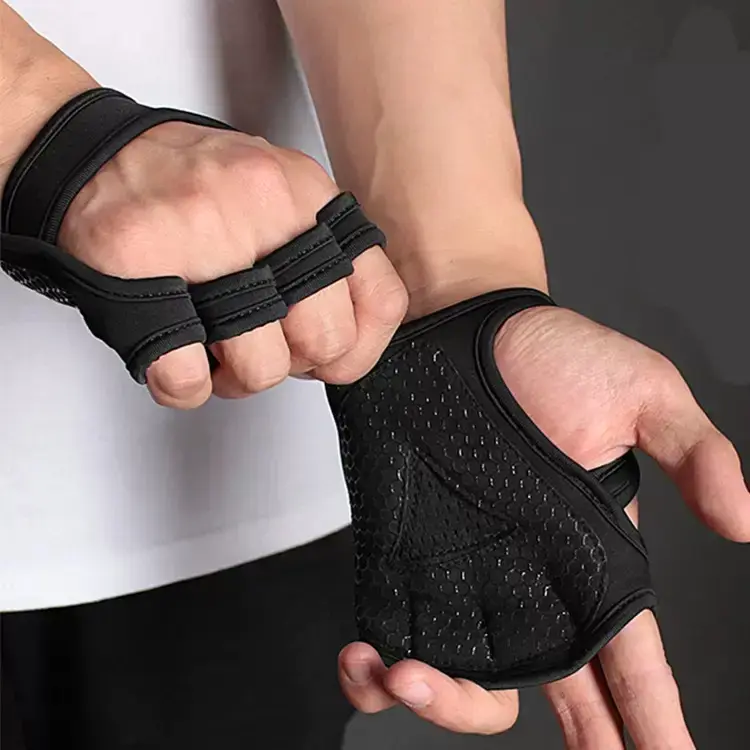

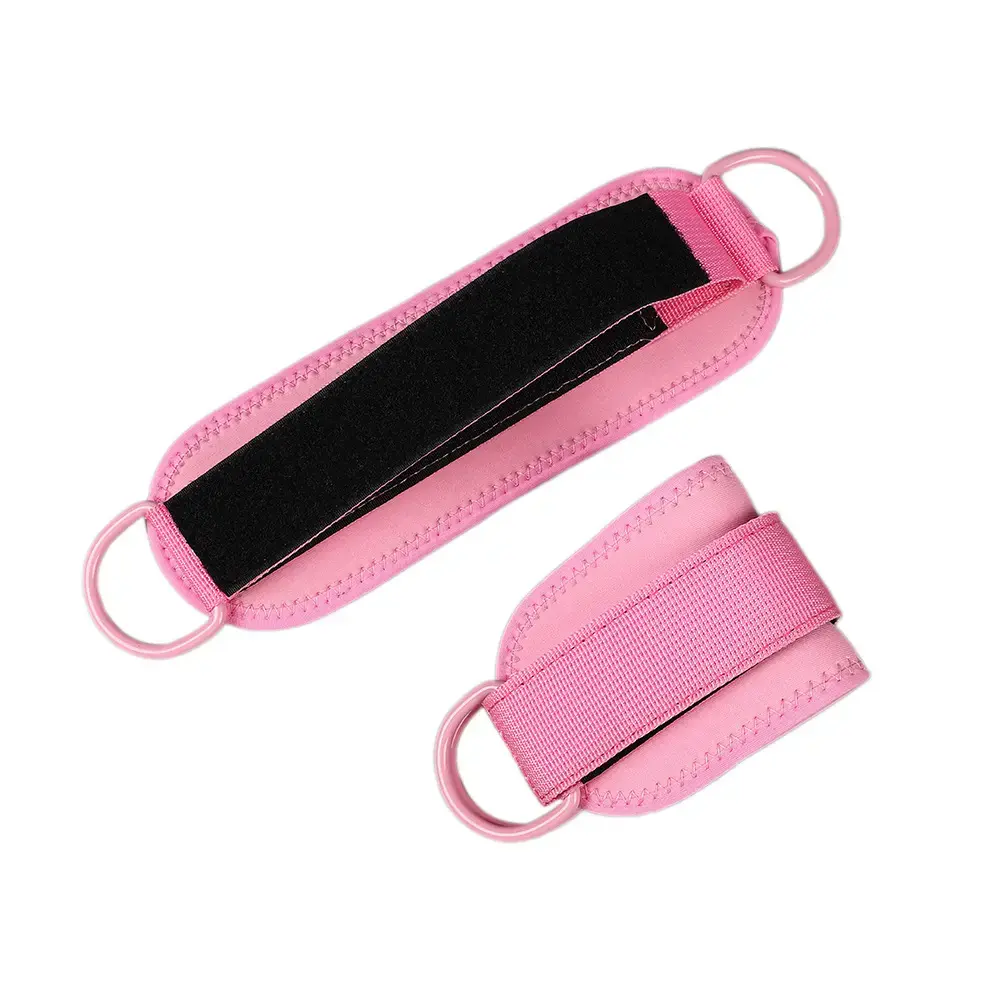
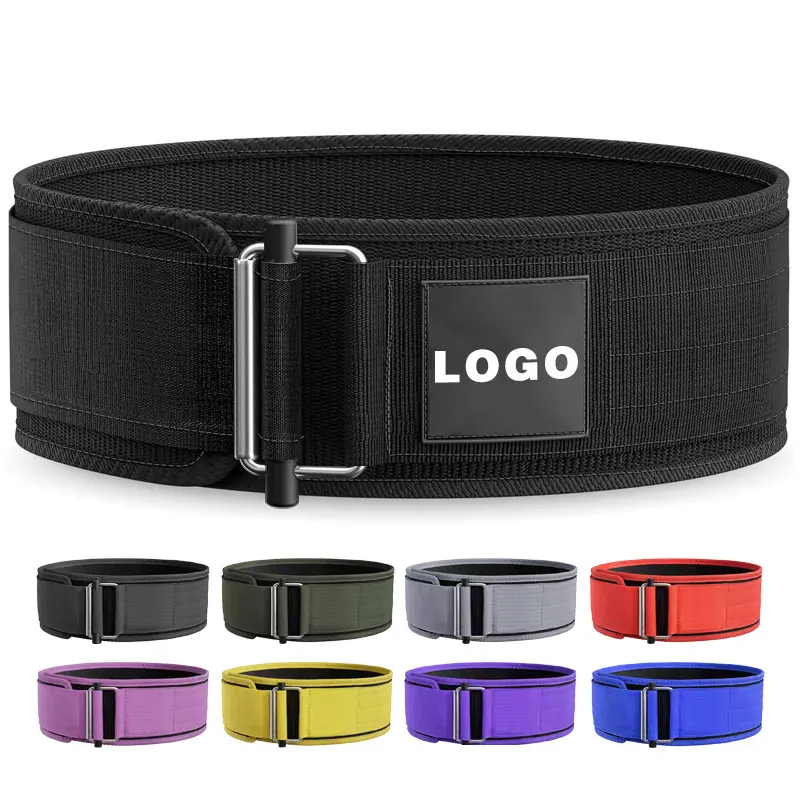
Types of fitness belts: Find the one that best suits your waist support
During the fitness process, belt guards have become indispensable protective equipment for many sports enthusiasts. Different design features and functional positioning enable each type of waist belt to meet specific training needs and personal preferences. Understanding these differences can help you make wiser choices.
Basic support type waist guard belt
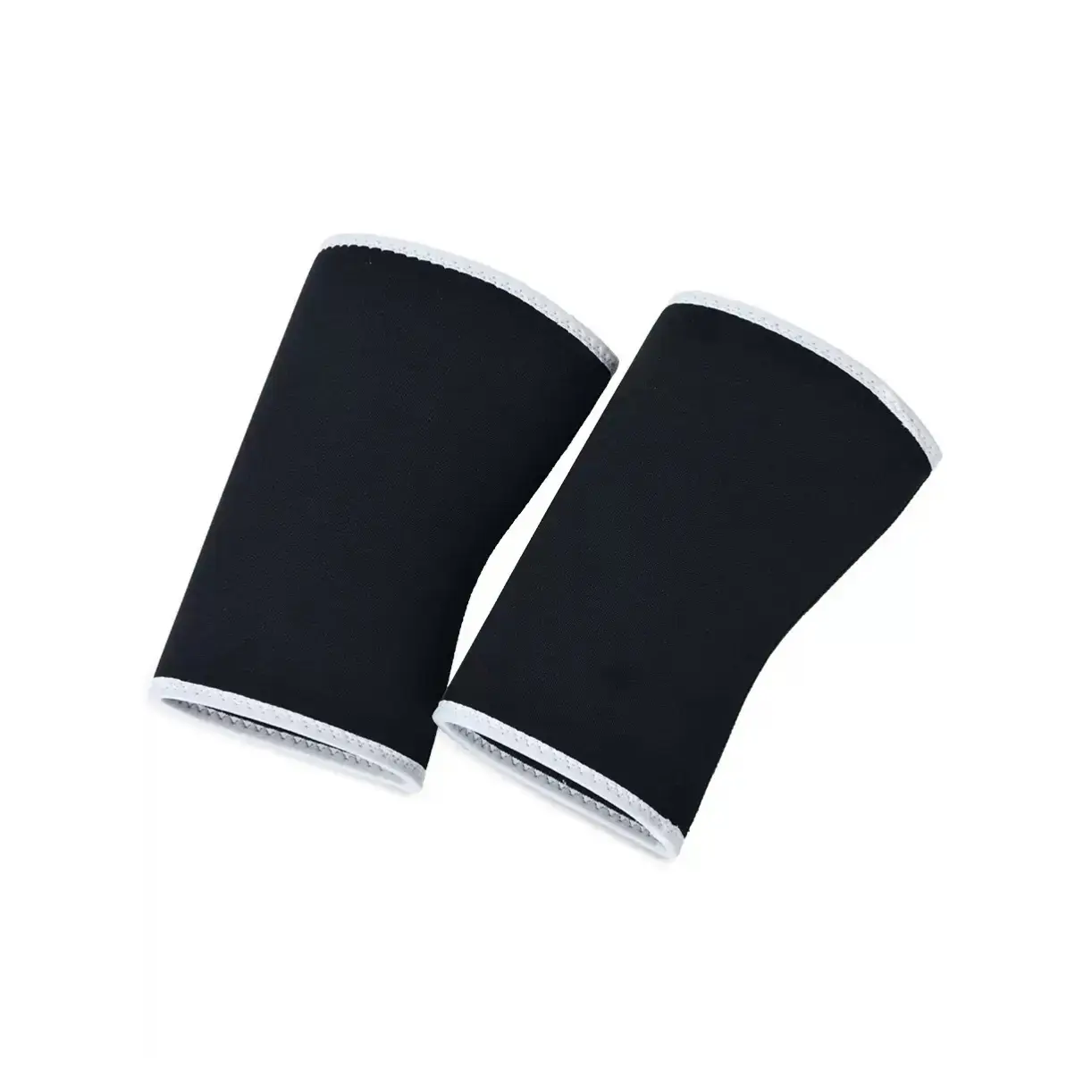
This type of waist support belt is usually made of soft and elastic materials, providing basic waist protection and warmth. Their design focuses on comfort and flexibility, making them suitable for daily training or low-intensity exercise. This type of belt does not restrict the natural range of motion of the waist. Instead, it enhances proprioception through a slight compression sensation, allowing the user to more clearly perceive the position and movement state of the waist.
Most basic type waist belts are made of breathable fabric, which can remain dry and comfortable even after long-term wearing. They are usually thin and light, making them easy to use in various sports, from weight training to aerobic exercises, and can provide appropriate support. This type of belt is particularly suitable for people who are just starting to get into fitness or for those sports that require multi-directional movement.
Specialized for strength training
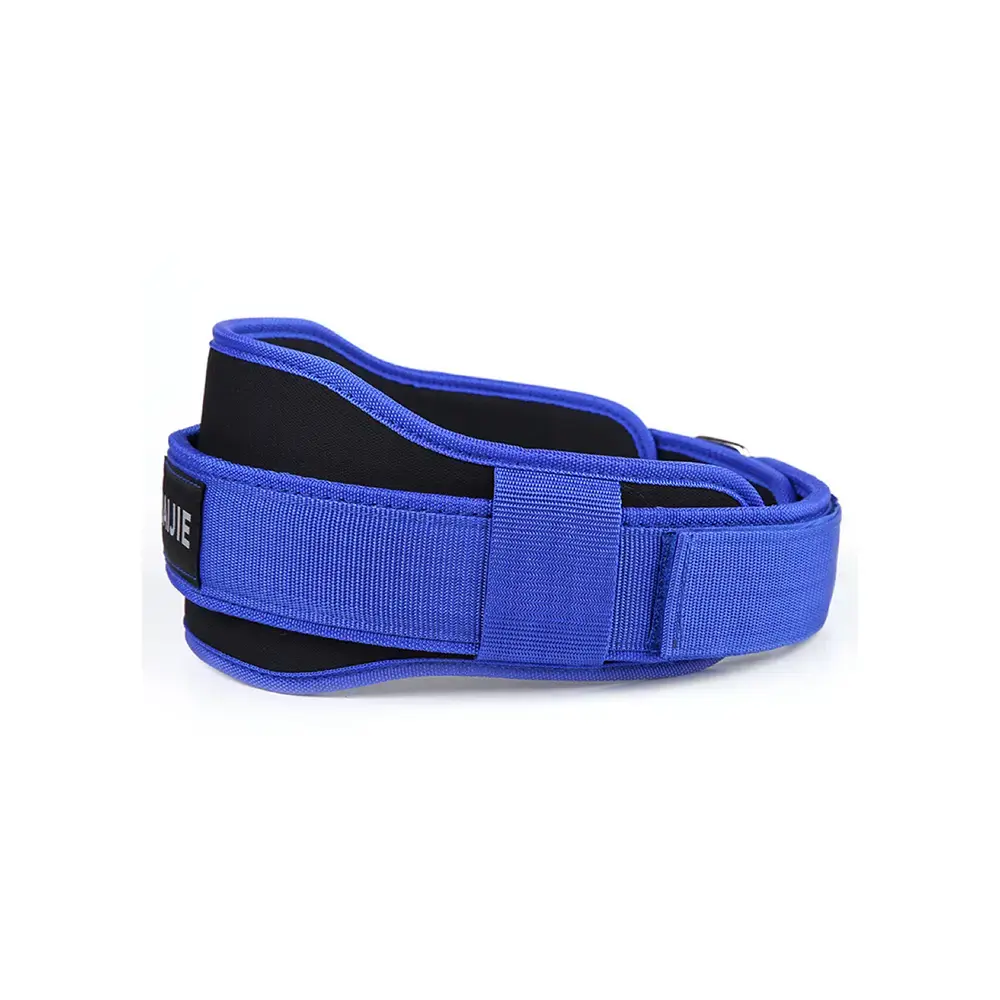
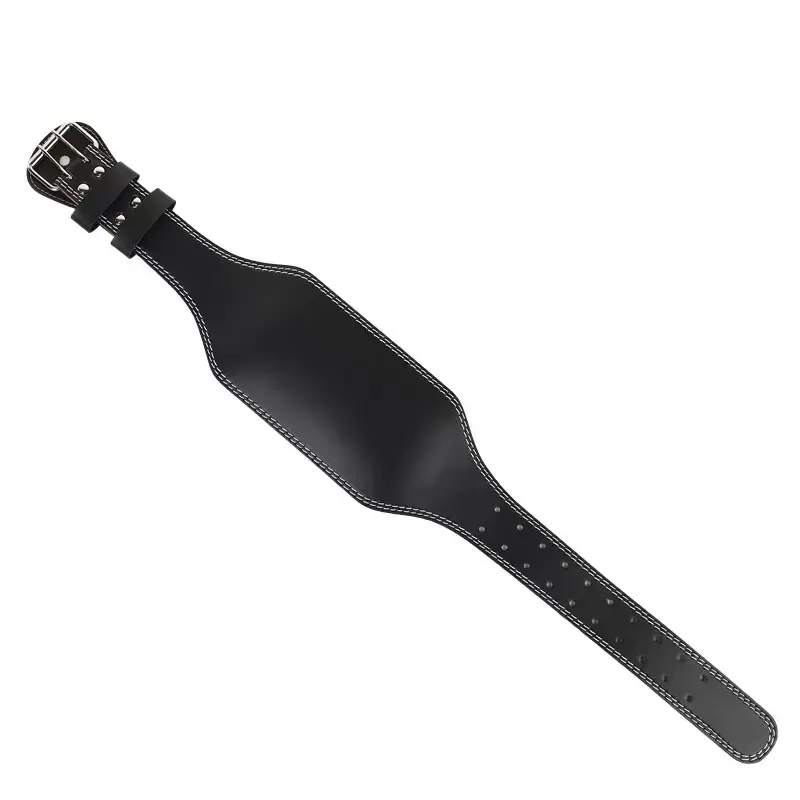
Belts specifically designed for weight training usually have a more robust structure and stronger support performance. The main function of this type of belt is to provide abdominal resistance pressure during heavy weight exercises and help maintain core stability. They are usually narrower at the front and wider at the back. Such a design can provide sufficient support without hindering the completion of the movement.
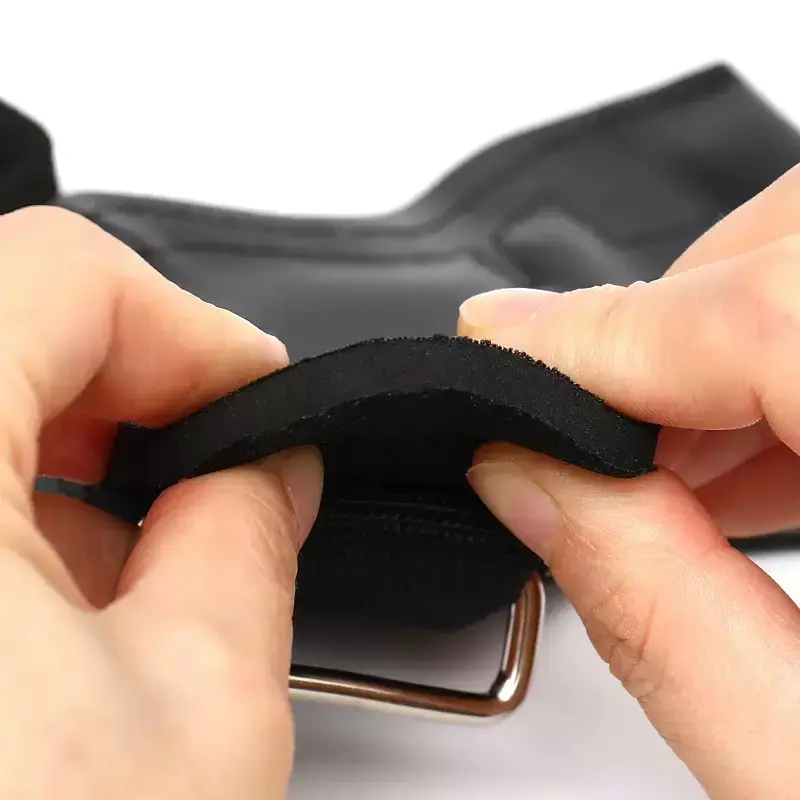
This type of belt is mostly made of multiple layers of materials and additional support strips are added at key parts. They can help users maintain a neutral spinal position better and reduce the risk of lower back injuries. At the same time, this type of belt will also provide appropriate elasticity to ensure that you do not feel overly restricted when taking deep breaths.
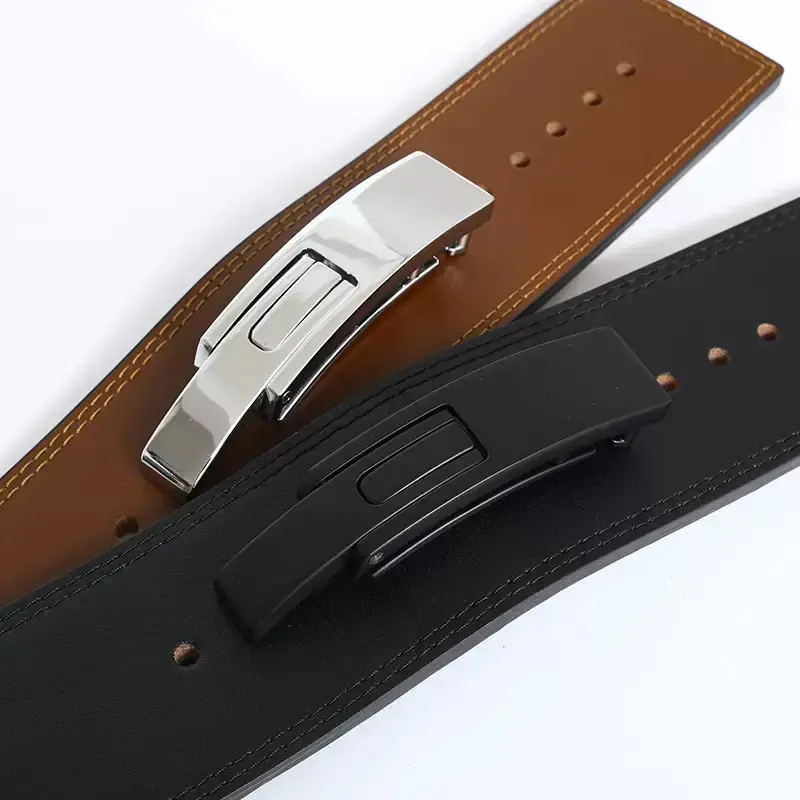
Adjustable design style
To facilitate users of different body types and various training needs, many waist belts are designed with adjustable functions. Users can precisely control the tightness of the belt through buckle, Velcro or rope systems. This design enables the same product to adapt to different circumference requirements and also allows users to adjust the support intensity in different training programs.
Some adjustable belts are also designed with multiple support points to make the pressure distribution more even. This type of product usually takes into account the convenience of wearing, allowing users to put it on and take it off quickly without affecting the training rhythm. The adjustable design also enables the belt to continue providing appropriate support as the user's body shape changes.
The diversity of materials and structures
The material selection of the waistband directly affects its performance and comfort. Some products focus on breathability and lightness, using mesh fabrics and lightweight materials. Some, on the other hand, pay more attention to supporting performance and use thicker multi-layer structures. Leather materials were once very popular, but now they are more often replaced by various high-performance synthetic materials.
The design of the inner lining is also very important. The part that comes into direct contact with the skin needs to be soft and breathable, and at the same time, it should have sufficient sweat absorption capacity. Some products also incorporate additional waist pads, providing support while enhancing comfort. The quality of sewing techniques and edge treatment also affects the durability and comfort of long-term use.
Specialized sports adaptation type
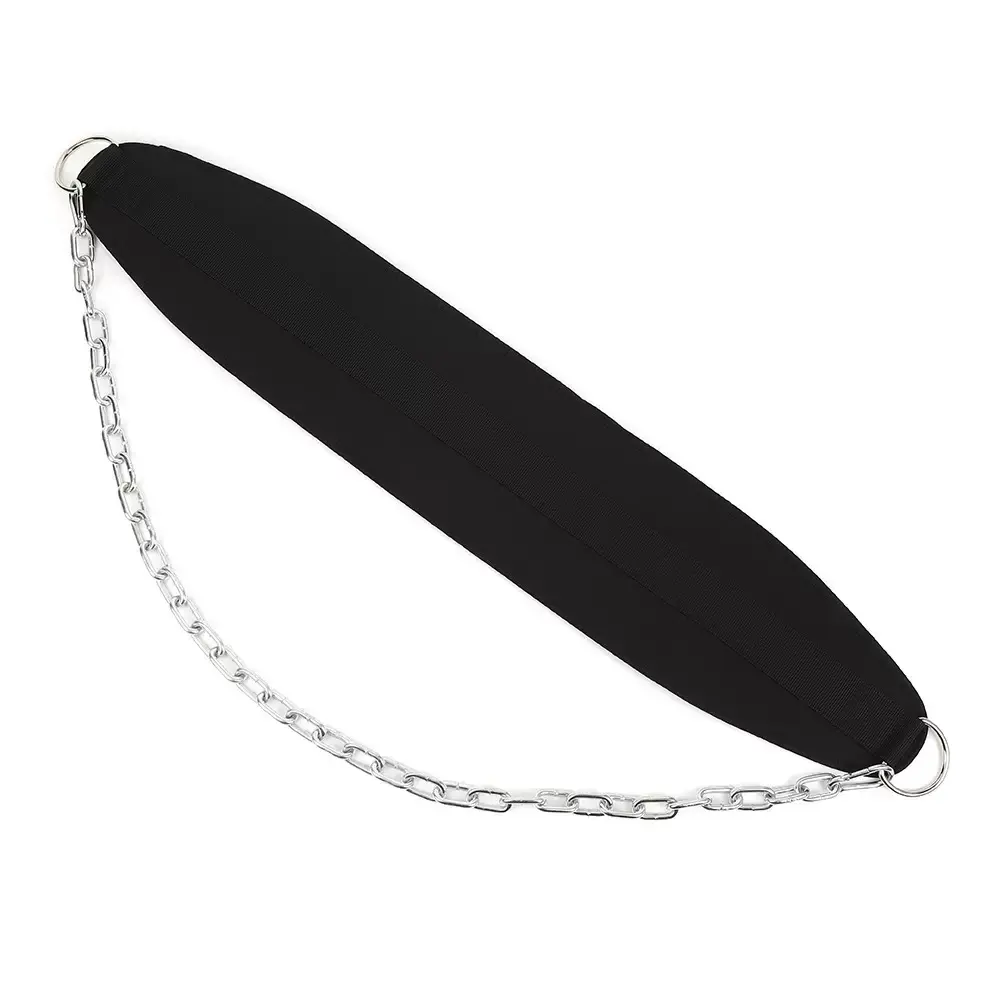
In addition to the universal lumbar support, there are also some styles specially designed for specific sports. For instance, some belts are specially optimized for flexibility in sports that require a lot of bending and turning. Some have enhanced support performance for sports that require extremely strong core stability. These specialized products usually undergo targeted adjustments in design.
For instance, some belts adopt a segmented support design, which ensures necessary support while allowing for a greater range of freedom of movement. Others may particularly enhance the support of the lower back area to meet the biomechanical requirements of specific sports. Understanding the type of sports you mainly engage in can help you choose the most suitable dedicated belt.
Daily recovery lumbar support
This type of belt support mainly focuses on the recovery stage after training, promoting blood circulation and relieving muscle fatigue by providing gentle compression and warmth effects. They are usually very soft and comfortable, suitable for long-term wearing and can even be used in daily life.
Restorative waist belts often use more elastic materials to provide a uniform compression sensation without generating excessive pressure. Their design concept is to accelerate the recovery process by improving local blood circulation while keeping the waist warm. This type of product is particularly suitable for users who feel tired or stiff in their waist after training.
Choose the appropriate considerations
When choosing a waistband, multiple factors need to be considered. First, there are the types and intensities of training. Different sports have different requirements for lumbar support. Secondly, there are personal body types and comfort preferences. The same product may evoke different feelings in different people.
The width and thickness of the belt can also affect the user experience. A wider belt may offer more support, but it will also limit the range of movement more. The convenience of wearing and the accuracy of adjustment are also factors worth considering, especially for those users who need to make quick adjustments during training.
Conclusion
The selection of a waistband is a personalized process, and no single type can suit everyone and all situations. Understanding the characteristics and applicable scenarios of different types can help every fitness enthusiast find the most suitable lumbar support for their own needs. Whether providing basic protection or professional-level support, a suitable waist belt can be a reliable partner on your fitness journey, helping you better protect your body while pursuing health.
Remember, the belt guard is an auxiliary tool. The correct training techniques and appropriate load selection are the fundamental ways to prevent injuries. Choose the right waist belt to make it a strong support for your fitness journey rather than a complete reliance. By making wise choices and using them correctly, a belt guard will be a great helper for you to achieve your fitness goals.