
Leave Your Message



Universal belt: A multi-scenario protection solution in the gym
In modern fitness training, the importance of protective equipment is increasingly prominent. As one of the basic protective tools, the universal belt, with its unique design and functions, has become an indispensable piece of equipment in various fitness venues. It not only provides necessary support and protection for trainers, but also flexibly ADAPTS to various training scenarios, meeting diverse needs ranging from strength training to functional training. This article will delve into how the universal belt, through its structural design and functional features, becomes an ideal choice for multi-scenario applications in gyms.
First, basic support and protection: Meeting the core requirements of high-intensity training
The most core function of a universal belt lies in providing stable support for the lumbar vertebrae and the core area. When performing compound strength training such as heavy squats and deadlifts, the abdominal area will generate intra-abdominal pressure due to the restraint of the belt. This pressure can effectively share the load on the lumbar vertebrae and reduce the risk of intervertebral disc damage.
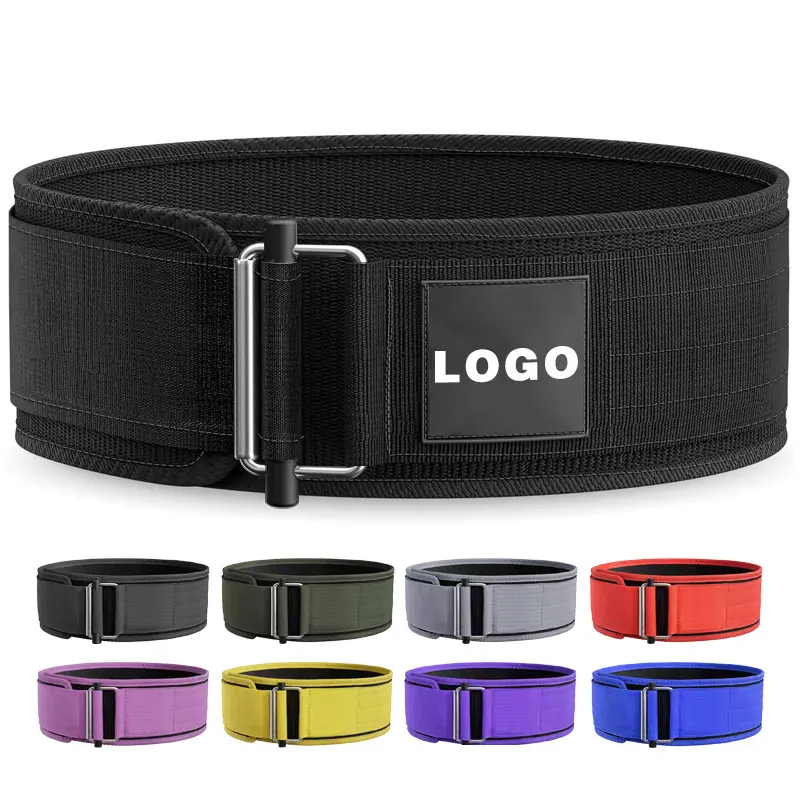
Unlike traditional professional weightlifting belts, universal belts usually strike a balance between support strength and flexibility. Its material is mostly made of high-density nylon or composite fabric, which not only ensures sufficient tensile strength but also maintains a certain degree of flexibility. This balanced design enables users to obtain necessary protective support without completely restricting the natural range of motion of the trunk, laying the foundation for applications in various training scenarios.
It is worth noting that only by using the belt correctly can its protective value be brought into full play. The belt should be worn near the navel. Its tightness should be such that one or two fingers can be inserted. If it is too tight, it may affect breathing and blood circulation; if it is too loose, it cannot provide effective support. Understanding this fundamental principle is the prerequisite for giving full play to the multi-scenario effectiveness of the universal belt.
Second, stability guarantee for the strength training area
In the strength training area of the gym, the universal belt demonstrates its most classic application value. Whether it is free weight training or equipment training, the stable support of the waist is a key factor in ensuring the quality and safety of the movement.
For Olympic weightlifting movements such as high flips and grabs, the moderate flexibility of the universal belt allows the trunk to complete the necessary range of motion while providing momentary abdominal pressure support when squatting to carry the weight. In bench press training, although the main force source is the upper limbs, moderately tightening the waist can help build overall body tension and enhance the stability of the movement.
Especially during the gradually increasing load training cycle, the use of a universal belt is particularly important. When trainees challenge their maximum personal weight, the additional support for the waist not only enhances physical security but also boosts psychological confidence, which is of positive significance for breaking through training bottlenecks.
Third, flexible application of functional training areas
With the development of fitness concepts, functional training areas are playing an increasingly important role in gyms. This type of training emphasizes the coordinated movement of multiple planes and joints, and places higher demands on the flexibility of protective equipment. The universal belt precisely meets this demand.
In explosive power training such as medicine ball throwing and kettlebell swinging, the belt can provide moderate support for the rapid force application in the core area without restricting the rotation and flexion and extension movements of the trunk. In balance training and unstable plane training, additional support for the waist helps maintain the stability of the body center and reduces the risk of injury caused by insufficient control.
Unlike traditional strength training, the movement patterns of functional training are more complex and diverse. The advantage of the universal belt lies in its ability to adapt to such diversity and provide users with "just right" support - neither overly interfering with the natural movement chain nor offering necessary protective support at key nodes.
Fourth, applicability of the group course area
Group fitness classes are an important part of modern gyms, ranging from high-intensity interval training to circuit training. The course content is diverse and the pace is fast. Participants need to complete multiple action transitions within a limited time, which poses a challenge to the universality of protective equipment.
The universal belt demonstrates unique value in this scenario. Its relatively lightweight design will not be a burden for aerobic exercise and can provide necessary support during strength training sessions. For instance, in combat classes, the belt does not restrict the twisting and dodging movements of the trunk; In cyclic training, it can also provide lumbar support for weight-bearing movements.
More importantly, universal belts are usually designed with a convenient buckle system, allowing users to quickly put them on and take them off for adjustment between different classes. This convenience in use makes it particularly suitable for group courses, which require quick adaptation to different training contents.
Fifth, design features and multi-scenario adaptation
The universal belt can meet the demands of various scenarios, which is inseparable from its elaborately designed physical properties. Understanding these design features helps to have a more comprehensive recognition of their application value.
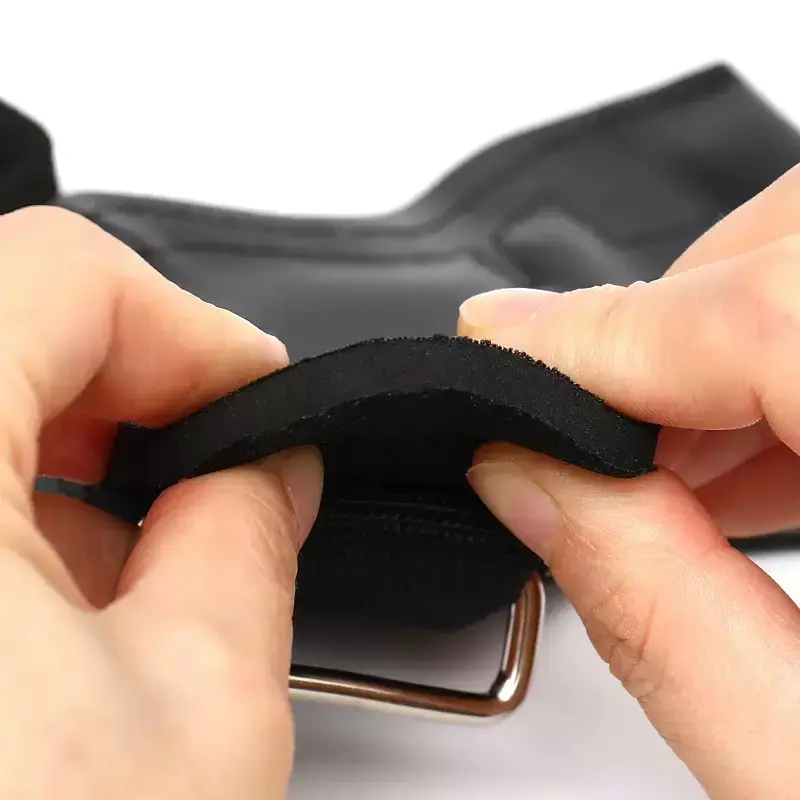
In terms of material selection, general-purpose belts mostly adopt a layered structure: the inner layer is a soft and breathable cushion, reducing the discomfort caused by long-term wearing; The middle layer is a highly elastic and tensile-resistant layer, providing the main supporting force. The outer layer is a wear-resistant protective layer, which extends the service life of the product. This composite structure enables it to withstand various stresses in different training scenarios.
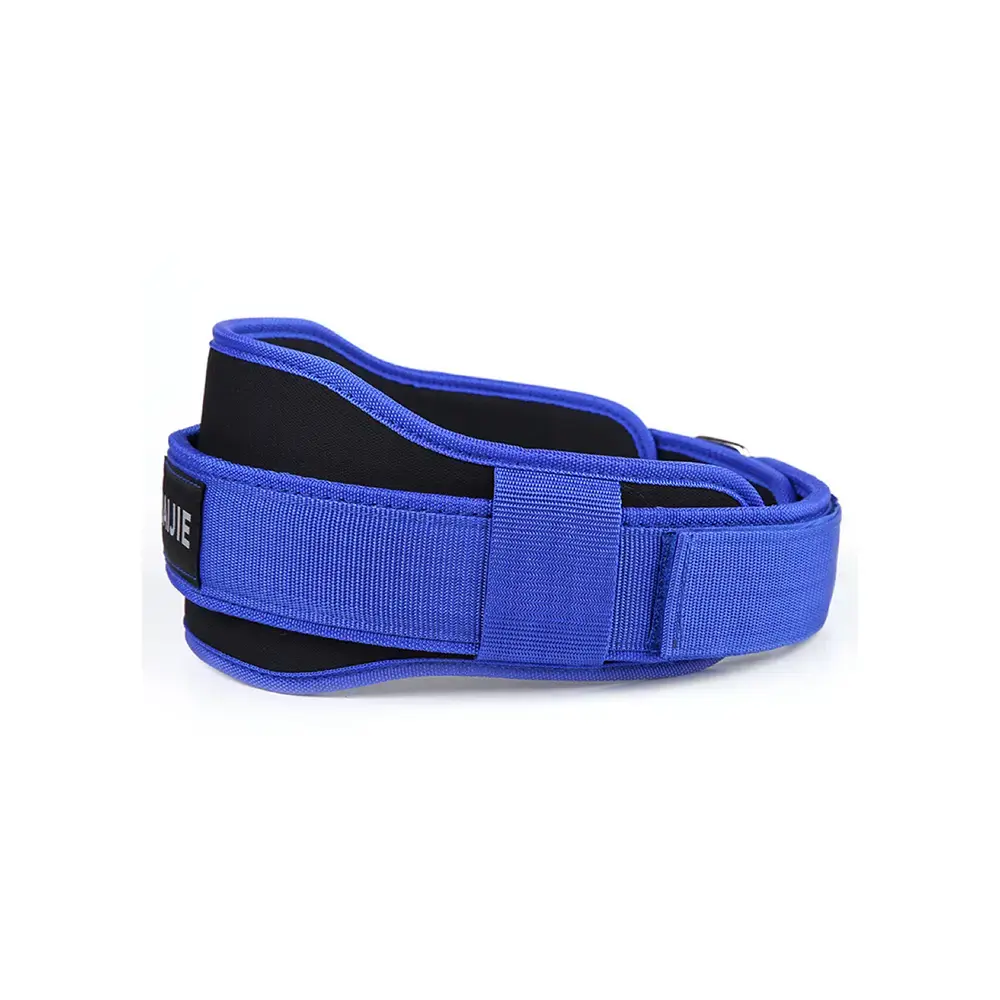
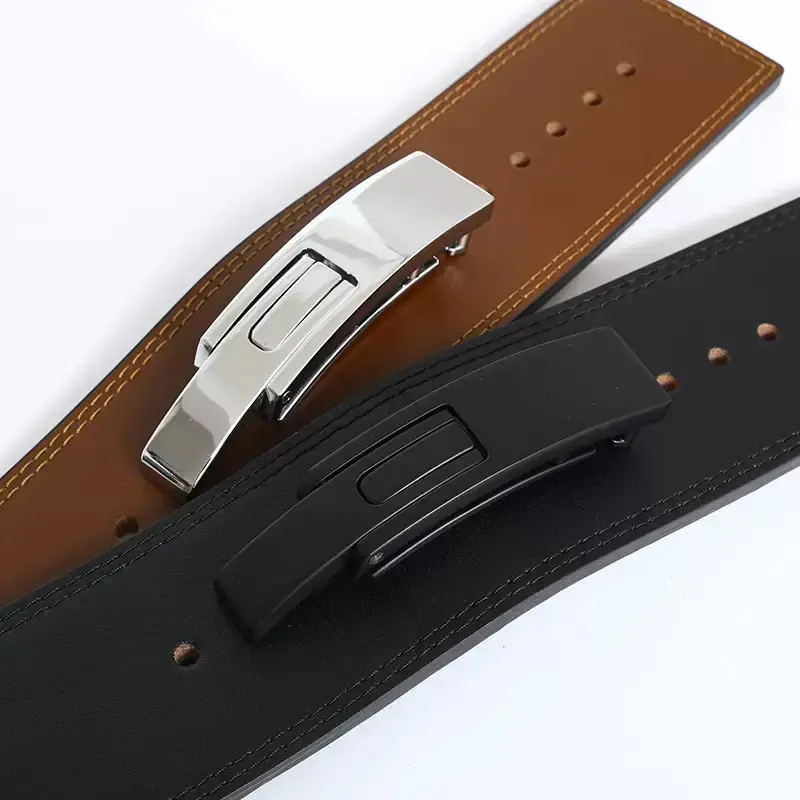
The fastening system is another key design. General-purpose belts mostly adopt quick-adjusting buckles. Unlike traditional Weightlifting Belts, they do not need to be repeatedly put on and taken off. Just simply pull them to adjust the tightness. This feature is particularly important in scenarios where training actions need to be frequently switched, significantly enhancing usage efficiency and experience.
The balance between width and thickness is also a feature of the universal belt. Compared with the uniform width of professional strength Lift Belts, universal belts usually adopt a design that is narrower at the front and wider at the back. The front part reduces interference with hip flexion, while the back part enhances support for the lumbar vertebrae. This differentiated design enables it to simultaneously meet the two major demands of mobility and support.
Sixth, Usage guidance and best practices
To fully explore the multi-scenario value of universal belts, the correct usage concept and method are of vital importance. The usage strategy of the belt should also be adjusted in different training scenarios.
In pure heavy weight strength training, the belt should be fastened slightly tighter to create sufficient intra-abdominal pressure. The main goal at this time is to maximize the protective effect. In functional training or group courses, one can appropriately relax to ensure the integrity and smoothness of the movements. This flexible adjustment ability is the key to bringing out the effectiveness of the universal belt.
Furthermore, it should be recognized that the belt is an auxiliary tool rather than a universal solution. The inherent strength of the core muscle group remains the foundation of protection. The belt should be regarded as an additional protective layer in specific situations rather than a means to replace basic core training. Wise users will combine belt protection with core training to form a complete strategy for waist health management.
The value of universal belts in gyms has transcended their traditional single protective role and developed into comprehensive training partners that can adapt to the needs of multiple scenarios. Its balanced design philosophy - finding the golden balance between support and flexibility, protection and freedom - makes it an ideal choice for areas ranging from strength zones to functional training zones, and from individual training to group courses.
With the continuous development of the fitness industry, the trend of diversification in training content and methods will become more prominent. Against this backdrop, the multi-scenario adaptation feature of the universal belt will increasingly demonstrate its value. For users who pursue training safety and efficiency, understanding and making good use of this tool will undoubtedly enhance the overall training experience and results. For fitness venues, equips with such universal protective gear is also an important part of meeting the diverse needs of members and enhancing the professionalism of services.