
Leave Your Message



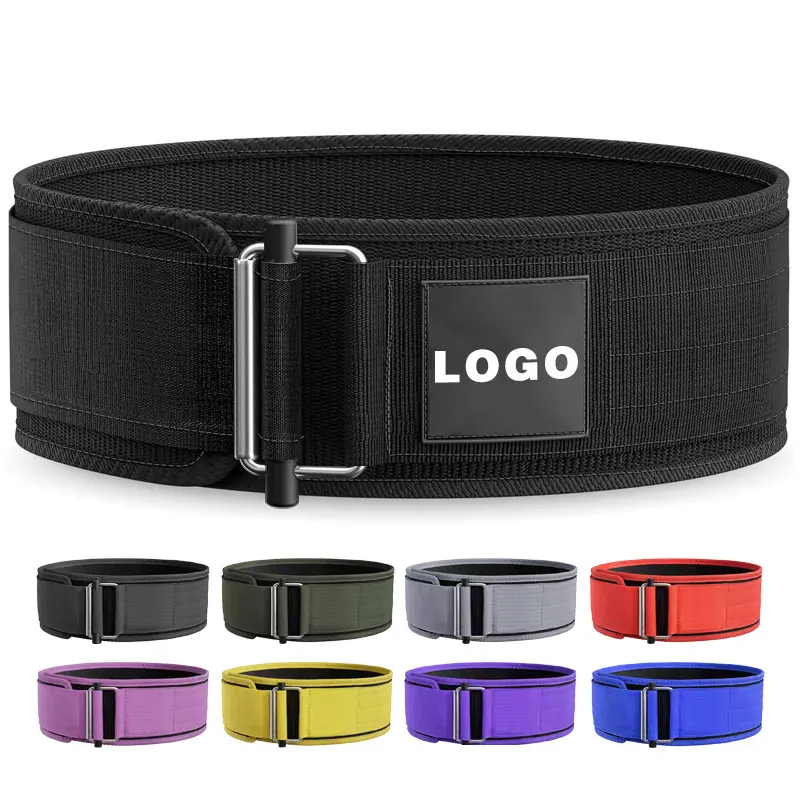
Weightlifting belt purchase list: Key Considerations from Material to Craftsmanship
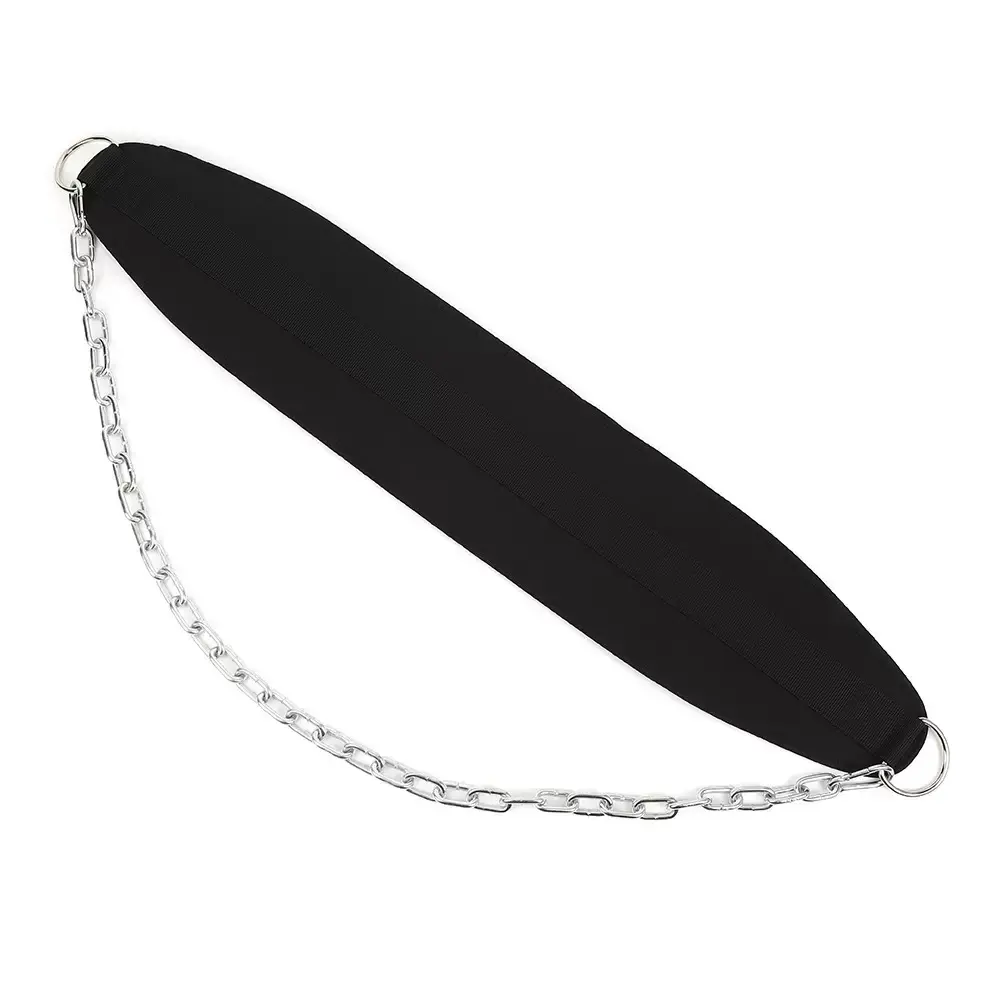
In the field of strength training equipment, Weightlifting Belts, as core protective gear, directly affect the spinal stability and athletic performance of trainees. For decision-makers who need to purchase such products in bulk, a comprehensive understanding of the key elements from material selection to manufacturing processes is the foundation for ensuring procurement quality and meeting the needs of different users. This article will start from functional requirements and systematically sort out the key dimensions that need to be evaluated when purchasing Weightlifting Belts, providing professional references for scientific decision-making.
First, analysis of core functional requirements
The main function of a weightLifting Belt is to enhance spinal stability by providing support to the core area. Its design needs to balance the three core demands of protection, comfort and durability. Specifically, it is manifested as
• Biomechanical support: By increasing intra-abdominal pressure to share the pressure on the lumbar vertebrae and reduce the risk of intervertebral disc injury during training.
• Adaptability to movement: Maintain dynamic fit in compound movements such as squats and deadlifts without affecting the range of motion and force application efficiency.
• Long-term durability: It can withstand high-intensity friction, sweat corrosion and repeated bending, maintaining structural integrity.
Second, the four key indicators for material selection
Material is the core element that determines the basic performance of a weightlifting belt and needs to be comprehensively evaluated from aspects such as strength, flexibility, breathability and durability.
1. Outer leather (covering layer)
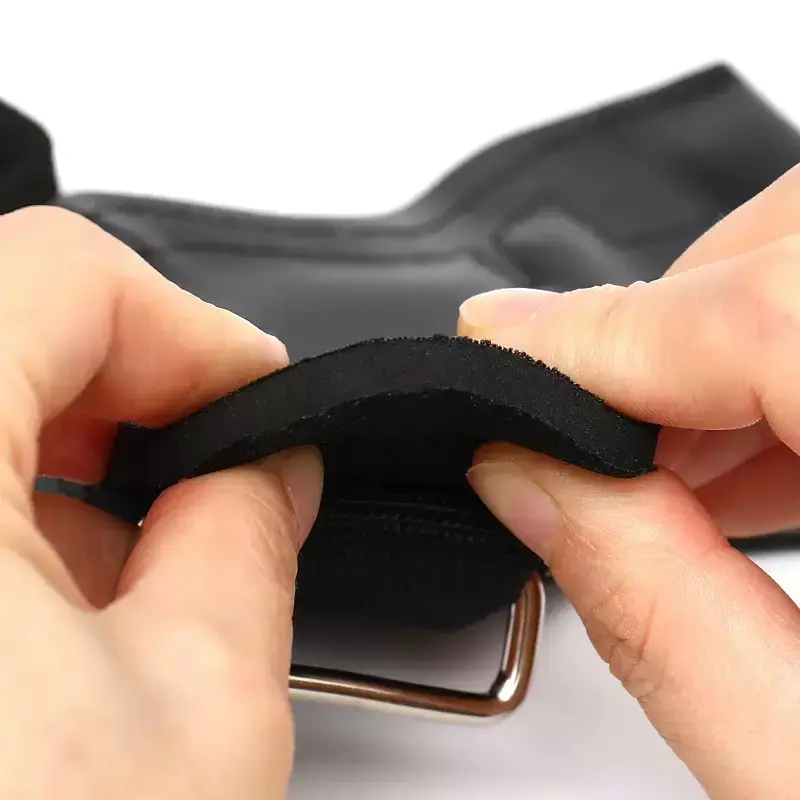
• Type: High-quality cowhide (such as Full Grain Leather) is preferred. Its fiber structure is compact, with a tear resistance strength of more than 30N/mm². After professional tanning, the wear resistance is increased by 50%.
• Thickness: The standard thickness is 1.0-1.2mm. If it is too thin, it is prone to wear; if it is too thick, it will affect flexibility. Competition-grade products may adopt a 1.5mm thickened treatment, but some comfort will be sacrificed.
• Surface treatment: Anti-slip textures (such as diamond-shaped grids) can enhance friction and prevent displacement during training; Waterproof coatings (such as polyurethane PU film) are suitable for damp environments.
2. Inner lining material (contact layer
• Skin-friendliness: The preferred choice is flannel (such as a blend of polyester and cotton) or Microfiber, with a friction coefficient lower than 0.3, reducing skin irritation.
• Breathability: Mesh fabric or laser perforated design can increase air circulation by 40%, reducing the feeling of stuffiness. Laboratory data shows that breathable linings can lower the skin temperature on the waist by 2 to 3 degrees Celsius.
• Moisture absorption and sweat-wicking: The inner lining containing silver ions (Ag⁺) or bamboo charcoal fiber can inhibit bacterial growth and reduce the generation of odors.
3. Hard support strips (core functional layer)
• Materials: Carbon fiber reinforced plastic (CFRP) or high-strength nylon plates are the mainstream choices. The Flexural stiffness (flexural Rigidity) should reach over 500N·mm² to ensure sufficient spinal support during squats.
• Thickness and width: The standard thickness is 4-6mm and the width is 10-12cm. If it is too wide, it may restrict breathing; if it is too narrow, the support will be insufficient. Some products adopt a gradient design (the thickest at the waist, decreasing towards the top and bottom ends) to optimize the force distribution.
• Edge treatment: Rounded corner grinding (R ≥ 2mm) can prevent compression of abdominal soft tissues and enhance wearing comfort.
4. Hardware accessories
• Fasteners: Heavy-duty alloy fasteners (such as zinc alloy die-castings) should have a load-bearing capacity of over 200kg and be nickel-plated or chrome-plated on the surface to prevent oxidation. The opening and closing life of the spring buckle should reach more than 10,000 times.
• Stitching: High-strength polyester thread (such as 6-strand thread, with a thread diameter of 0.3mm) or Kevlar thread has a tensile strength exceeding 300N. The stitching density (stitch length ≤ 3mm) directly affects the tear resistance at the seam.
Third, analysis of the core technologies of the manufacturing process
The level of craftsmanship determines the final presentation of material performance. Focus on the following technical details:
1. Cutting and pattern design
• Ergonomic fit: The three-dimensional cutting designed based on 3D human body scanning data can ensure the fit between the belt and the lumbar curve (deviation ≤ 2mm), avoiding local pressure.
• Adjustable range: The adjustable spacing of the double-sided hook buckle or Velcro buckle should cover a waist circumference of 70-120 cm to meet the needs of different body types. Competition-grade products may offer fine-tuning scales (one step per 1cm) to enhance accuracy.
2. Sewing techniques
• Reinforcement sewing: For key force-bearing points (such as the edges of support strips and around fasteners), double-thread locking or chain sewing methods are adopted, with the stitch density doubled (≥ 8 stitches per inch) to prevent thread separation.
• Seamless splicing: Some high-end products use ultrasonic welding technology to replace traditional stitching, eliminating friction points at the seams and enhancing durability.
3. Integration of support strips
• Embedded fixation: The hard support strips are bonded to the leather layer through heat pressing or embedded sewing. The bonding strength should exceed 50N/cm to prevent displacement during training.
• Dynamic adaptation: The Angle between the support strip and the belt (typically 10° - 15° forward tilt) should conform to the natural curvature of the human spine to optimize the efficiency of force transmission.
4. Surface treatment
• Wear-resistant and enhanced: The outer leather is treated with hardener spraying or laser engraving, increasing the surface roughness (Ra ≤ 0.8μm) by 30% and extending the service life.
• Anti-corrosion treatment: The inner lining and metal fittings undergo anti-rust coating (such as galvanized layer ≥ 5μm) or antibacterial treatment to adapt to high-intensity training environments.
Fourth, functional expansion and special requirements
Depending on different training scenarios, Weightlifting Belts may need to have the following additional functions:
• Multi-scenario adaptation: Switch between "hard support (powerlifting)" and "soft support (bodybuilding)" modes through detachable support strips.
• Professional Certification: Complies with the safety standards recommended by the International Weightlifting Federation (IWF) or the National Physical Fitness Association (NSCA) (such as support bar compressive strength test ≥ 300kg).
• Personalized customization: We offer laser engraving, color gradient or team logo printing services to meet the purchasing needs of groups.
Fifth, practical suggestions for Procurement decision-making
In actual procurement, it is recommended to ensure product quality through the following processes:
1. Demand Definition: Clearly define the target user group (such as amateurs, professional athletes) and usage scenarios (gyms, competitions).
2. Sample testing: Focus on evaluating support (changes in lumbar pressure during squats), comfort (no indentation after continuous wearing for 30 minutes), and durability (500 bending tests).
3. Supplier Audit: Inspect the material inspection reports of the factory (such as the tear strength test of leather), the process flow (such as the temperature and humidity control in the sewing workshop), and the quality control system (such as the AQL 2.5 random inspection standard).
4. After-sales guarantee: Confirm the return and exchange policy and the warranty period (usually 1-2 years) to reduce the risk of long-term use.
Conclusion: Scientific procurement empowers training safety
The purchase of weightlifting belts is not merely a simple commodity transaction; it is also a commitment to the safety of trainees. By systematically evaluating material performance, process details and functional scalability, purchasers can precisely match different demands and provide the market with high-quality products that combine protective value and user experience. Today, with strength training becoming increasingly popular, mastering these key considerations will become the core advantage for enhancing procurement competitiveness.