
Leave Your Message


Weightlifting Belt Selection Guide: How to Choose between EVA and PU Materials
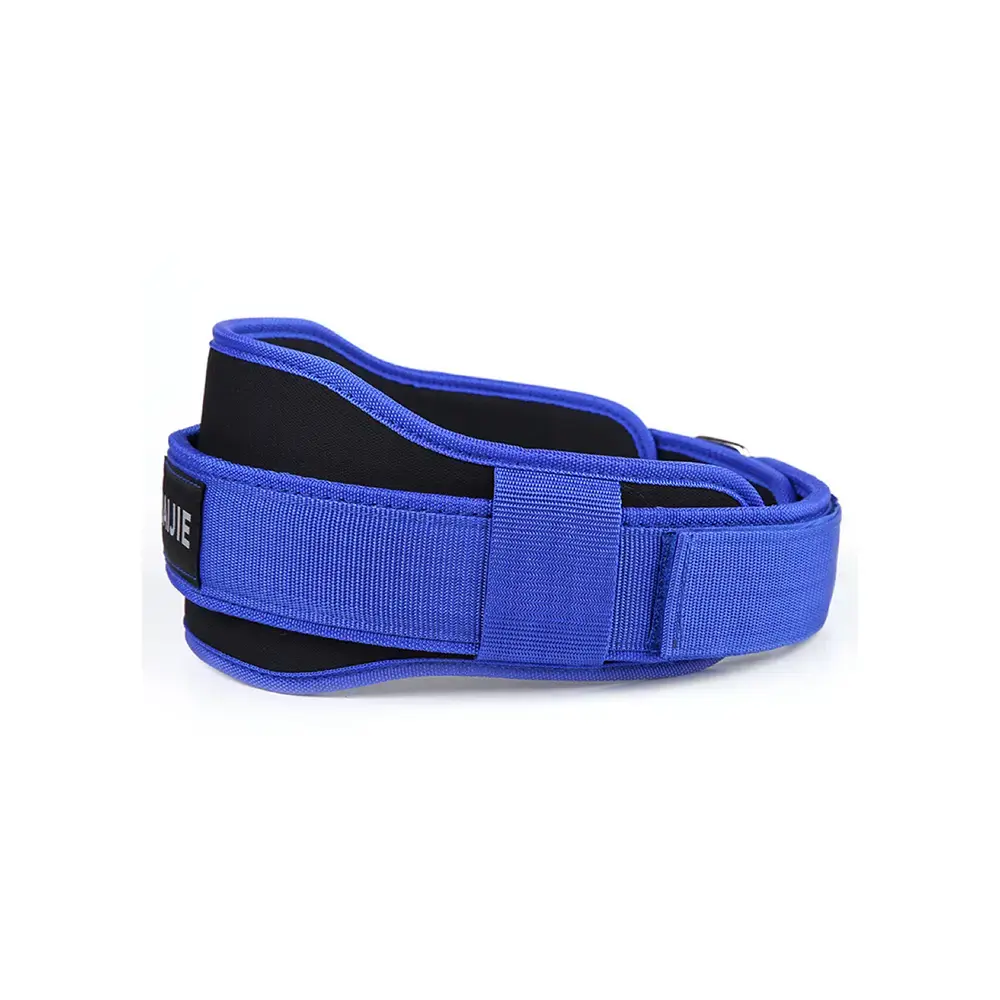
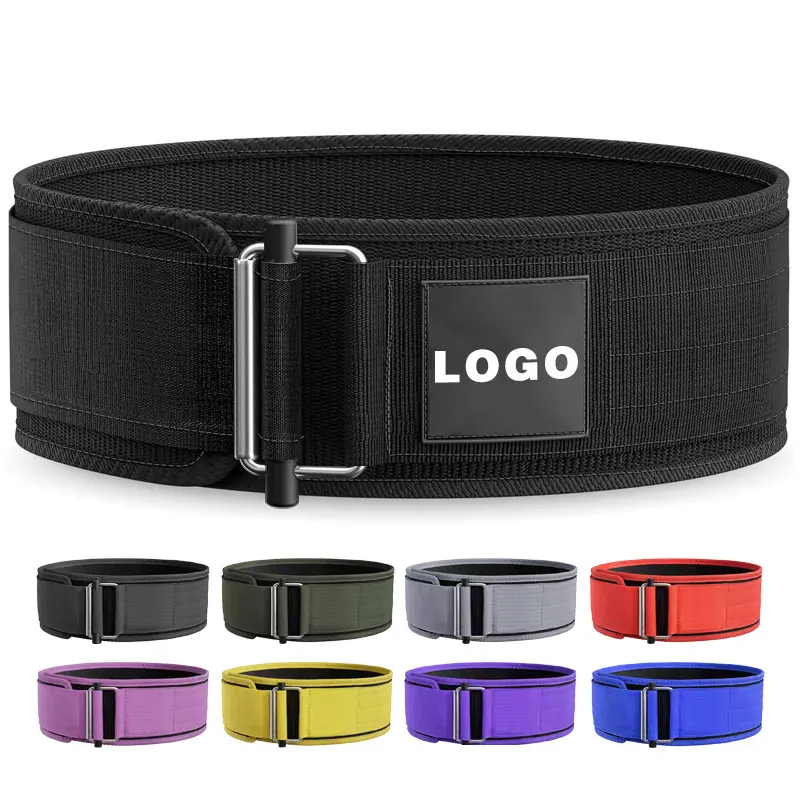
When doing strength training such as weightlifting, deadlifts and squats, a suitable weightlifting belt can provide support for the waist and reduce the risk of sports injuries. Among the various materials of Weightlifting Belts, EVA and PU materials are currently two of the more popular choices. Many people are torn when making a choice: Should they choose EVA material or PU material? In fact, both have their own advantages. As long as you combine your own training scenarios, usage needs and preferences, you can easily find the one that suits you.
First, understand the material properties: The core differences between EVA and PU
To choose the right weightLifting Belt, it is first necessary to understand the characteristics of EVA material and PU material respectively, which is the basis for subsequent selection.
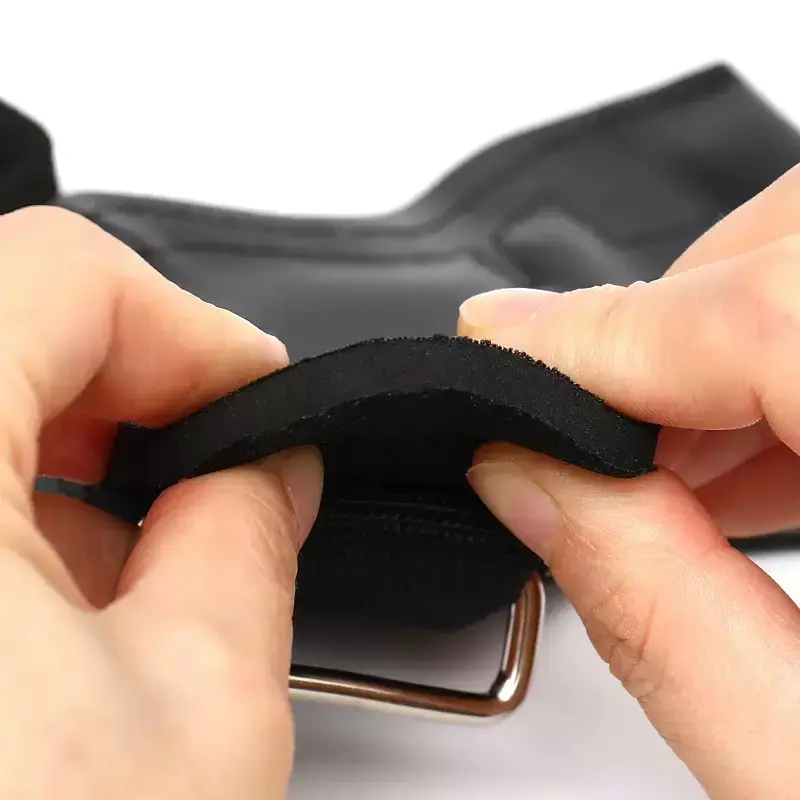
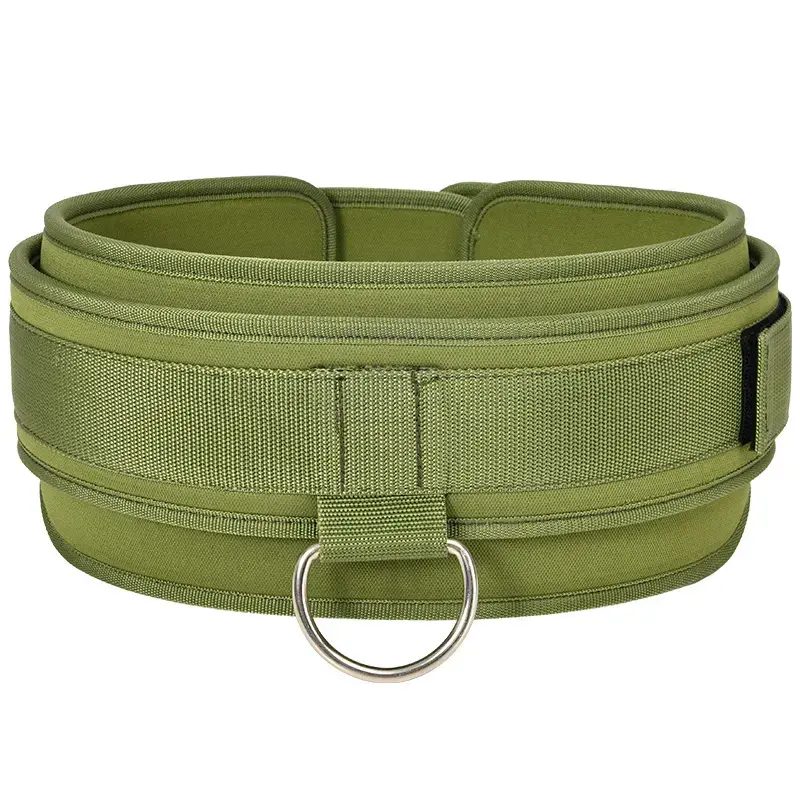
The most obvious advantage of the EVA material weightLifting Belt is its "lightness and softness". It is relatively light in weight, so there won't be a distinct sense of heaviness when worn. Even after long-term training, it won't cause tightness or discomfort in the waist. Moreover, EVA material has good flexibility and can better fit the curve of the waist. Especially when doing exercises that require slight movement of the waist, such as squats and deadlifts, it will not overly restrict the body's flexibility, making the movements more natural. Meanwhile, EVA material has relatively good breathability. Sweating on the waist during training can also reduce the feeling of stuffiness and keep the skin dry. However, its hardness and support are relatively mild, making it more suitable for scenarios where the demand for lumbar support is not so extreme.
Looking at the PU material weightLifting Belt, its core advantage lies in "strong support and durability". After processing, the hardness of PU material is higher than that of EVA material, which can provide more stable support for the waist. During heavy weightlifting training, it can effectively limit excessive bending or stretching of the waist, help maintain the correct posture, and reduce the risk of waist injury. Moreover, the PU material has good wear resistance and tear resistance. Even if it accidentally rustles against equipment or the ground during daily use, it is not easy to get damaged or peel off, and its service life is relatively longer. However, due to its high hardness, the PU material weightLifting Belt is slightly inferior to the EVA material in terms of softness and breathability, and it takes some time to get used to it when wearing.
Select based on the training scenario: Different requirements correspond to different materials
Apart from the material properties, the training scenario and requirements are also key factors in choosing a weightLifting Belt. Different training situations have different requirements for the belt.
If your training mainly focuses on "medium and low weights, high frequency", such as light weight squats and auxiliary strength training in daily fitness, or if you are just starting to learn weightlifting and your waist strength is still gradually improving, then an EVA material weightLifting Belt would be more suitable. The demand for lumbar support in medium and low weight training is relatively mild. The lightness and softness of EVA material can make you more comfortable during training, and your movement rhythm will not be affected by the restraint of the belt. At the same time, it can also provide basic support and protection for the waist, avoiding discomfort in the waist caused by non-standard movements. Moreover, for beginners, theEVA material belt is easier to wear and adjust, which can help them quickly adapt to the use of the belt.
If your training mainly focuses on "heavy weights and low frequencies", such as heavy deadlifts and high-intensity squats in professional strength training, or if you have a clear muscle-building and weight breakthrough target, then a PU material weightLifting Belt would be more suitable. When training with heavy weights, the pressure on the waist is relatively high, and stronger support is needed to stabilize the waist. The high hardness and stability of PU material can precisely meet this requirement, helping you keep your waist stable when lifting heavy weights and reducing the risk of injury. Meanwhile, the durability of PU material can also cope with the wear and tear caused by high-intensity training, and it can still maintain a good supporting effect after long-term use.
In addition, the "training environment" should also be taken into consideration. If the temperature of your training environment is relatively high or you have a tendency to sweat easily, the breathability advantage of EVA material will be more obvious, which can reduce the stuffiness in your waist during training. If the training environment is rather complex and one often needs to come into contact with equipment and the ground, the wear resistance of PU material can make the belt more durable and reduce daily wear and tear.
Comfort and usage habits are very important when choosing based on personal preferences
Apart from the objective material properties and training scenarios, personal comfort and usage habits should not be overlooked either. After all, only when one feels comfortable wearing it can the belt play a better role.
If you are particularly concerned about "wearing comfort", such as disliking the feeling of your waist being restricted by hard materials, or if your skin is sensitive and prone to discomfort due to stuffiness, then an EVA material weightlifting belt would be more in line with your preference. Its softness, fit and good breathability can make you feel more at ease during training, reduce physical discomfort and focus on the movements themselves.
If you place more emphasis on "product durability and support stability", and are willing to sacrifice some softness and breathability for better support effect and longer service life, then a PU material weightlifting belt will be more to your taste. Moreover, Weightlifting Belts made of PU material usually have a stiffer appearance and a relatively better texture. If you care about the appearance and texture of the belt, you can also give priority to it.
In addition, pay attention to the "convenience of adjustment" of the belt. Whether it is EVA material or PU material, choosing a style with convenient adjustment methods (such as Velcro or quick snap) can make wearing and adjustment easier, saving preparation time before training. However, it should be noted that the EVA material belt, due to its high softness, will have a better fit when adjusted. Due to the high hardness of the PU material belt, when adjusting it, make sure that the clips or Velcro can be firmly fixed to avoid loosening during training.
When choosing a weightlifting belt, it's not about picking the one with the "best material", but rather the one that "suits you best". Starting from understanding the characteristics of EVA and PU materials, combined with training scenarios, needs and personal preferences, you can find the weightlifting belt that not only provides effective support but also allows you to train comfortably. Let it become your capable assistant on the strength training journey, helping you safely and efficiently improve your training results.
