Leave Your Message



Weightlifting Belts and Fitness Abdominal Training Belts: The Guidance of Belts on Core Force in Waist and Abdominal Training
In fitness training, the cultivation of core strength is of vital importance. Whether it's weightlifting or abdominal training, the belt plays an important role. They not only provide additional support but also guide the correct way of exerting force, helping trainers better exercise their core muscle groups. This article will explore the role of Weightlifting Belts and fitness abdominal training belts in waist and abdominal training, as well as how they guide core force generation.
First, the function of the belt
1. Provide additional support
When doing heavy weight training or abdominal training, a belt can provide additional support for the waist. This kind of support helps to distribute the pressure on the body and reduce the risk of back injury. For weightlifting training, belts can reduce the pressure on the waist when carrying heavy loads, allowing trainees to complete movements more safely. For abdominal training, a belt can provide stable support and help trainees better control their body posture.
2. Guide the correct force application
The belt can also guide the trainer to exert force correctly. In weightlifting training, a belt can remind the trainer to maintain the correct posture and ensure that strength is transmitted through the legs and back rather than relying solely on the strength of the waist. In abdominal training, the belt can guide the trainee to focus their strength on the abdominal muscles rather than the waist or other parts.
Second, the differences between Weightlifting Belts and fitness abdominal training belts
1. Design and materials
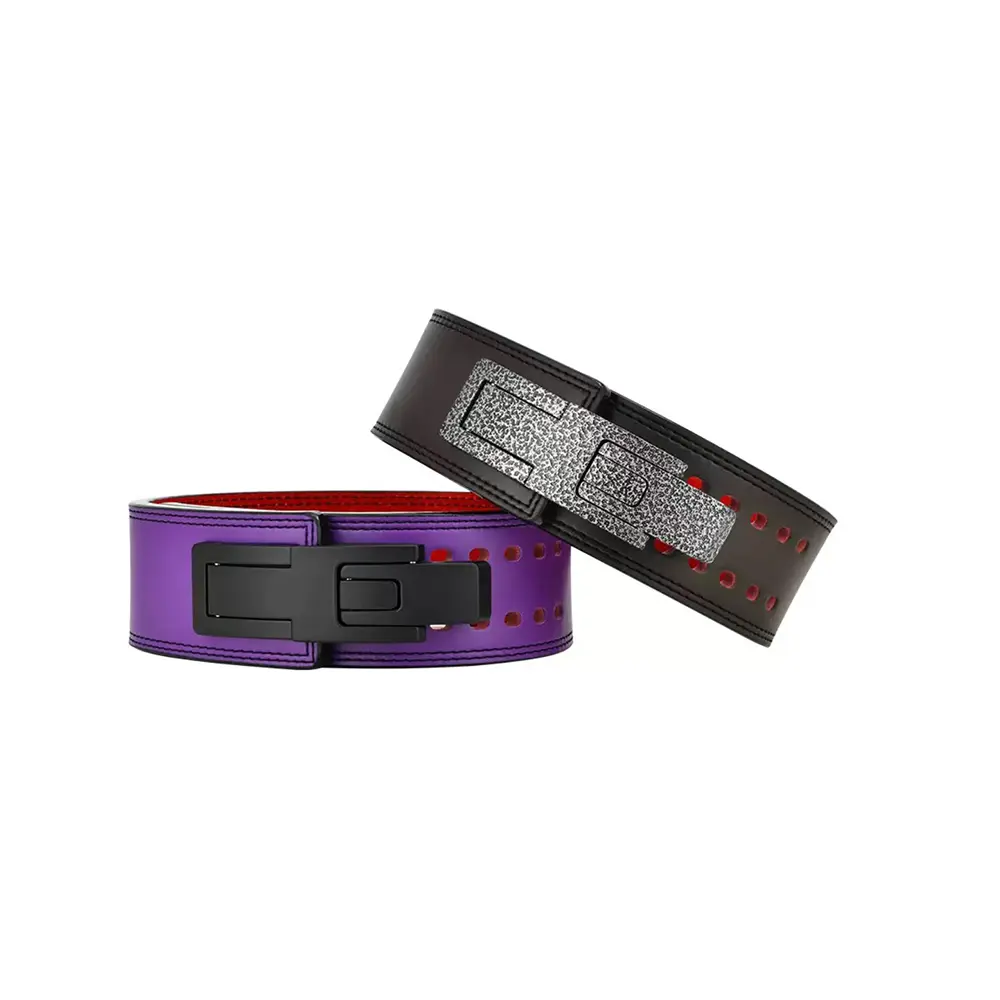
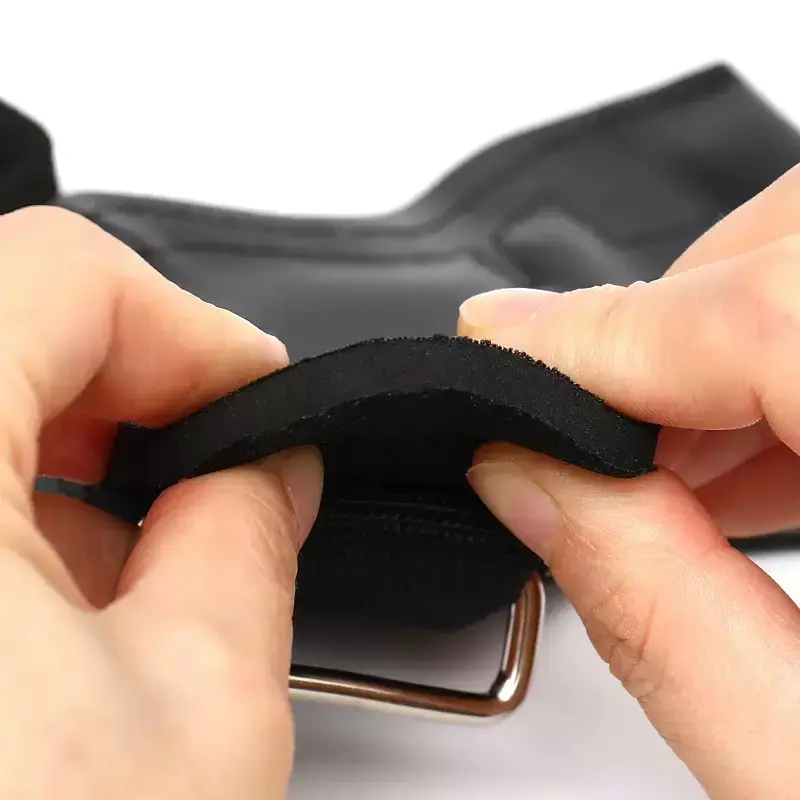
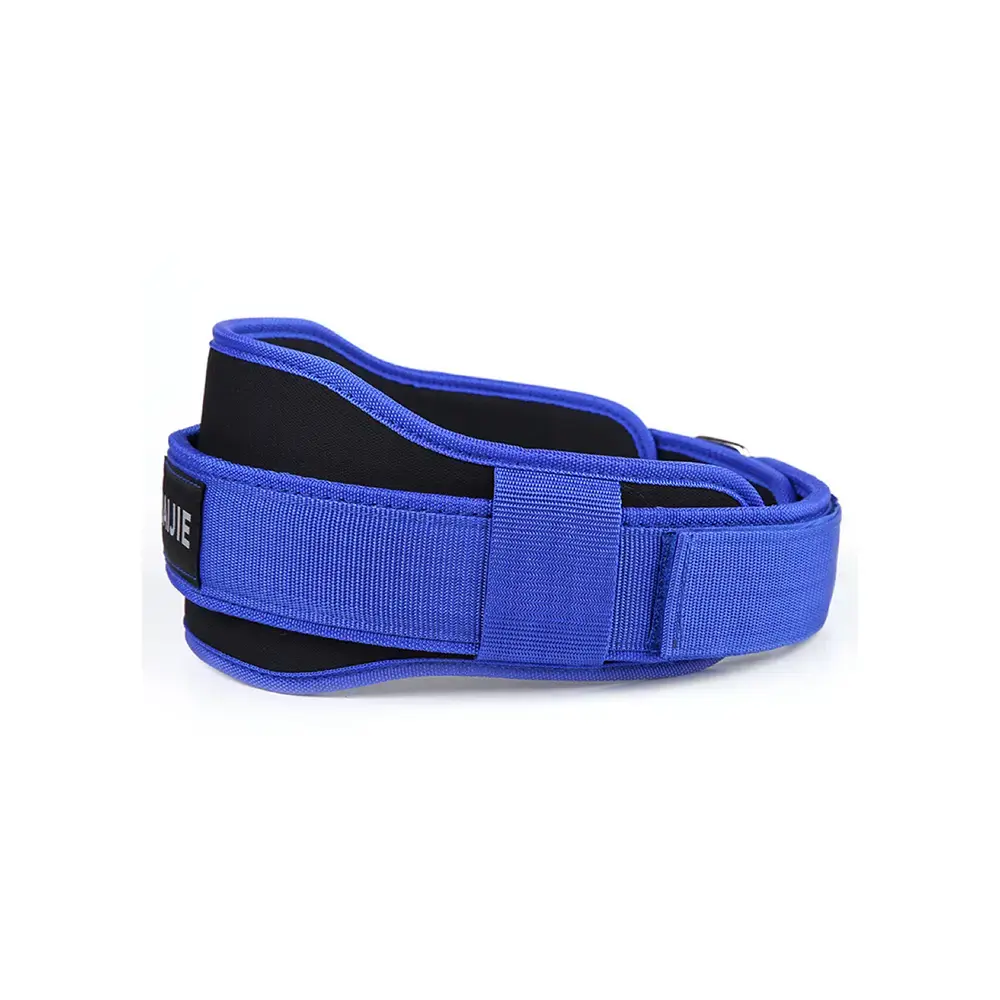
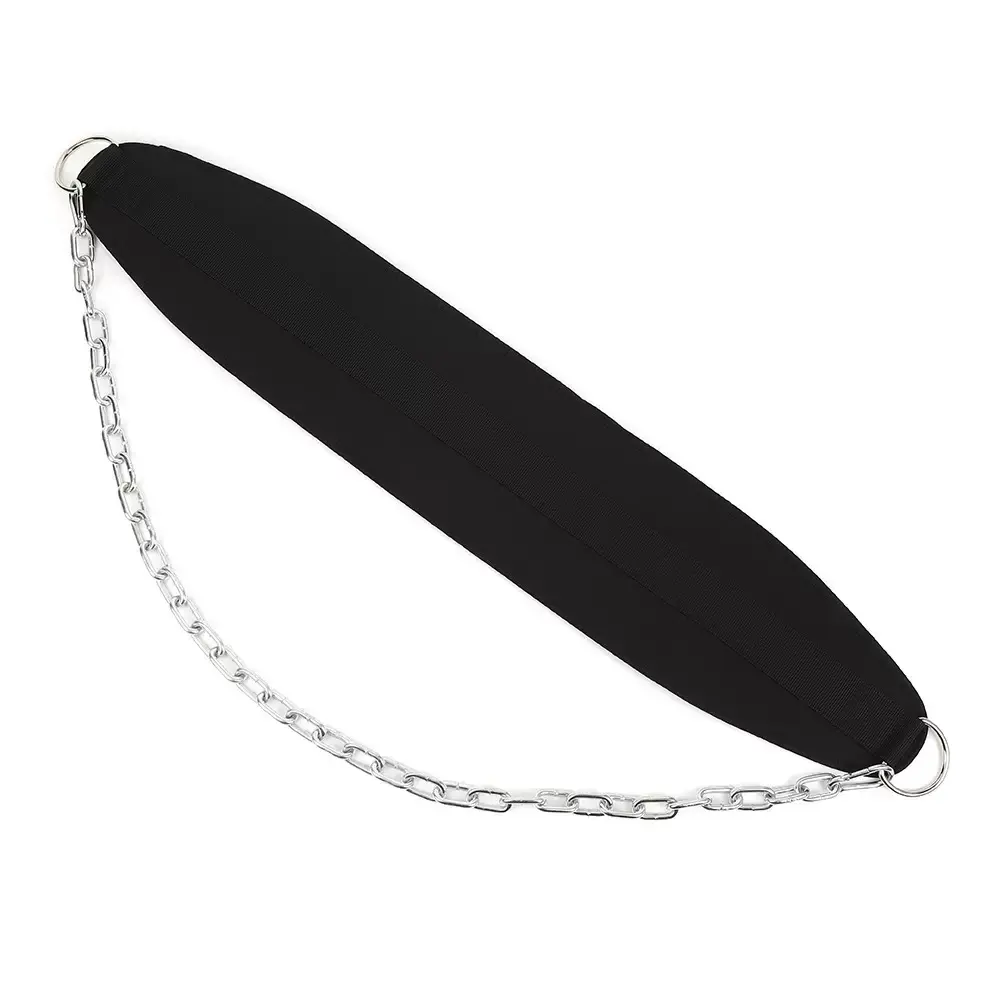
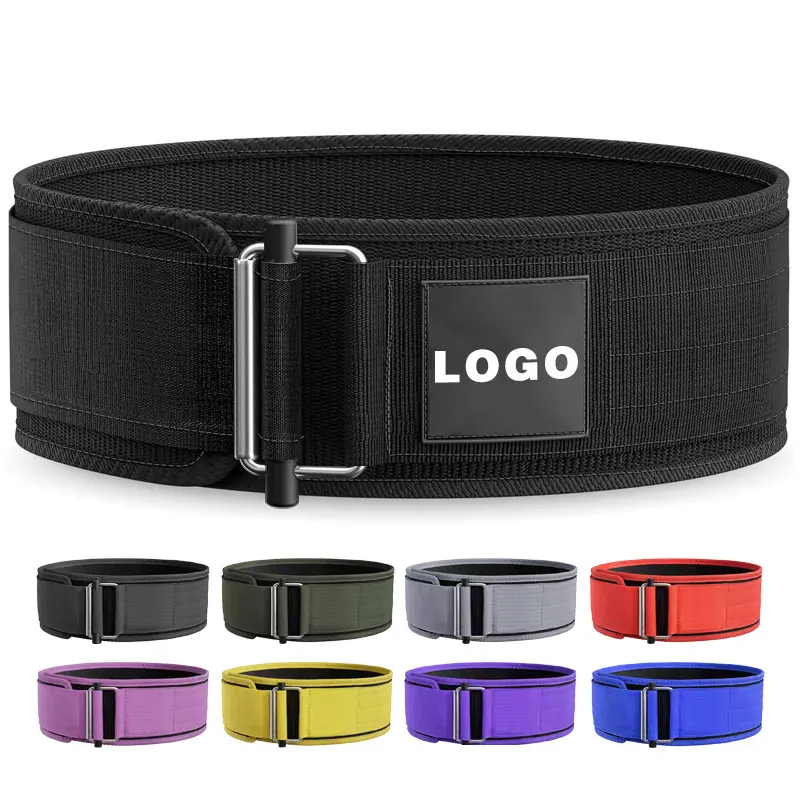
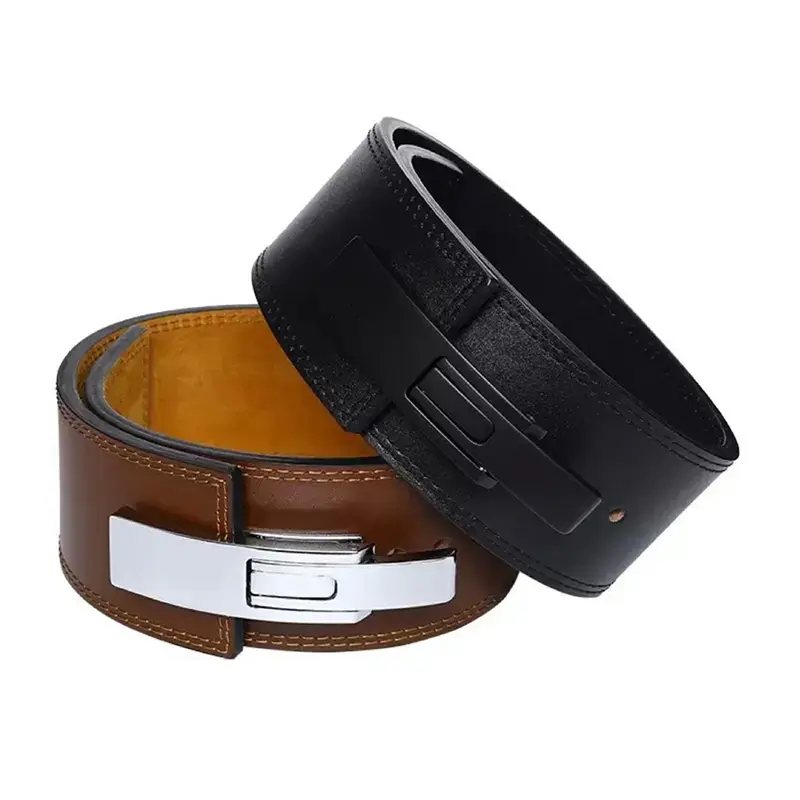
Weightlifting beltsare usually designed to be wider and made of stronger materials to provide greater support. They are usually made of leather or high-strength fabric and can withstand considerable force. The fitness abdominal Training Belt is designed to be thinner and lighter, and the material is softer to provide a comfortable fit. They are usually made of elastic fabric and can better fit the body's curves.
2. Applicable scenarios
Weightlifting Belts are mainly used for weightlifting training, such as squats and deadlifts. They can provide sufficient support to help trainers safely complete these high-load training movements. The fitness abdominal training belt is mainly used for abdominal training, such as sit-ups and planks. They can provide stable support, helping trainers better control their body posture and focus on the exercise of abdominal muscles.
Third, the guiding role of the belt in waist and abdominal training
Guidance in weightlifting training
In weightlifting training, the belt can guide the trainee to maintain the correct posture. When the trainer tightens the belt, it will exert a certain pressure on the waist, reminding the trainer to maintain a posture of keeping the chest out and the abdomen in. This posture ensures that strength is transmitted through the legs and back, rather than relying solely on the strength of the waist. Meanwhile, the supporting function of the belt can reduce the pressure on the waist when bearing weight and lower the risk of injury.
2. Guidance in abdominal training
In abdominal training, the belt can guide the trainee to focus their strength on the abdominal muscle groups. When the trainer tightens the belt, it will exert a certain pressure on the abdomen, reminding the trainer to keep the abdomen tense. This tension can ensure that the strength is concentrated in the abdominal muscles rather than in the waist or other parts. Meanwhile, the supporting function of the belt can provide stable support, helping trainees better control their body posture and focus on the exercise of the abdominal muscle groups.
Fourth, precautions for using the belt
1. Choose the appropriate size
It is very important to choose the right belt size. If the belt is too tight, it may restrict breathing and affect the training effect. If the belt is too loose, it may not provide sufficient support. When choosing a belt, you should select the appropriate size based on your waistline to ensure that it provides a comfortable fit.
2. The correct way of tying
The correct way of tying can ensure that the belt can provide the best support effect. When tying the belt, it should be fastened in the middle and upper part of the waist to ensure that the belt can cover the main support area of the waist. At the same time, it should be ensured that the belt is neither too tight nor too loose to provide sufficient support.
3. Timely replacement
The belt will gradually wear out during use, affecting its supporting effect. Therefore, the wear and tear of the belt should be checked regularly and replaced in a timely manner. Generally speaking, when the belt shows obvious wear or deformation, it should be replaced in time to ensure the safety of training.
Fifth, Summary
Weightlifting belts and fitness abdominal training belts both play important roles in waist and abdominal training. They not only provide additional support but also guide the correct way of exerting force, helping trainers better exercise their core muscle groups. By choosing the right belt, using it correctly and changing it in a timely manner, the training effect can be effectively improved and the risk of injury can be reduced. Belts are indispensable auxiliary tools in fitness training, which can help trainers better complete training tasks and achieve fitness goals.