
Leave Your Message





What are the differences between four-fingered palm protection gloves and ordinary gloves?
In various work and sports scenarios, gloves, as basic protective equipment, their design differences often directly affect the user experience and protective effect. Although four-fingered palm protection gloves and ordinary gloves both fall under the category of hand protection, they show significant differences in design concepts, functional focuses, and applicable scenarios. These differences precisely reflect their unique value.
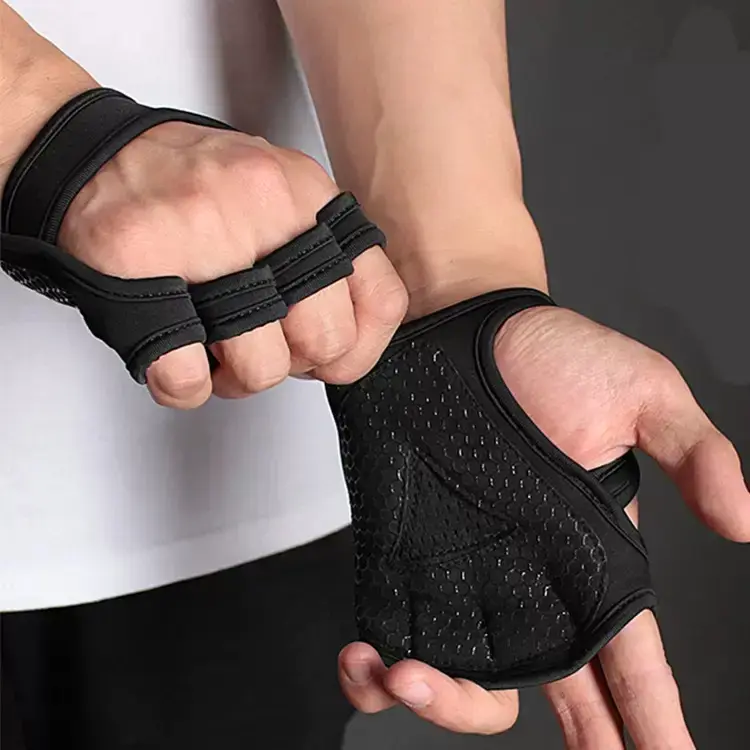
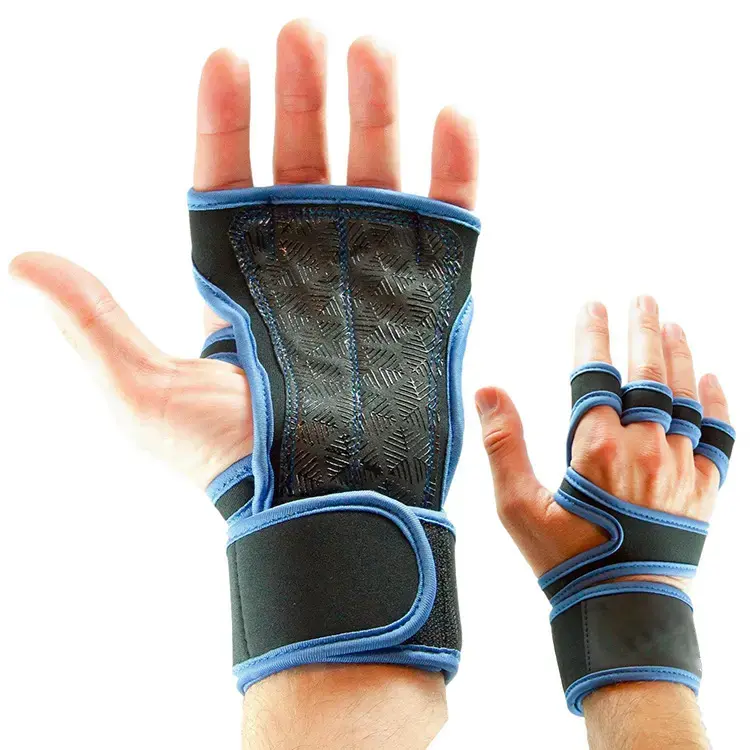
The most intuitive difference lies in the design structure. The four-finger palm protection gloves feature an innovative interphalanged design, enclosing all four fingers except the thumb in the same space. This structure is different from the traditional practice of ordinary gloves that provide independent space for each finger, creating a brand-new hand movement experience. Another feature of it is the thickening treatment of the palm area, which is specially optimized for movements that require frequent palm support or pushing.
The distribution of the focus of protection reflects different design philosophies. Ordinary gloves usually aim for comprehensive and balanced protection, striving to cover all areas of the hand. The four-finger palm protection gloves clearly focus the protection on the palm area and enhance the overall protection of the back of the hand through the design of four fingers connected. This targeted protection strategy makes it particularly suitable for the needs of specific types of activities.
The balance points between flexibility and protection vary. Ordinary gloves, while maintaining the independence of fingers, may compromise in terms of palm protection. The four-finger palm protection gloves, through innovative design, significantly enhance the protection level of the palm area while maintaining the necessary flexibility. This design enables users to receive more reassuring protection when performing actions such as pushing, pressing, and propping.
The choice of applicable scenarios also reflects design differences. Ordinary gloves aim for versatility and attempt to adapt to a variety of different scenarios. Four-fingered palm protective gloves are specifically designed for work or sports that require frequent palm support and hand flexibility, providing a more professional protective solution for them. This kind of concentration enables it to perform well in specific fields.
The degree of retention of haptic feedback is another important distinction. Although the four-finger palm protection gloves adopt a multi-finger design, through meticulous material selection and structural optimization, they still maintain excellent tactile perception. The enhanced protection of the palm area does not come at the cost of completely sacrificing touch, which is particularly important in scenarios that require precise operation.
Thermal management performance also varies by design. The structure of four fingers connected together alters the way air circulates, creating a different microclimate environment from gloves with five fingers independent. This design strikes a new balance between warmth retention and breathability, making it suitable for the thermal comfort requirements during moderate-intensity activities.
Durability performance varies in emphasis. The four-fingered palm protection gloves have been strengthened in areas prone to wear such as the palm, which are usually made of more wear-resistant materials or thickened. In contrast, ordinary gloves may pay more attention to the overall uniform durability rather than the specialized reinforcement of specific areas.
The wearing experience shows a distinct difference. The unique design of the four-finger palm protection gloves requires users to get used to it for a while, but once they get used to it, many people find that this design actually provides a more natural hand movement experience. The thickened pad on the palm not only provides protection but also offers additional comfort and cushioning.
The adaptability of the action pattern is the key differentiating point. For movements that require support, pushing or rubbing with the palm, four-fingered palm protective gloves show obvious advantages. For tasks that require each finger to operate independently and precisely, traditional five-fingered gloves might be more suitable. This difference makes each of the two types of gloves have an irreplaceable application scenario.
The focus of safety concepts also varies. The four-finger palm protection gloves are particularly focused on preventing abrasions, impacts and excessive pressure on the palm. At the same time, the interlocking design also reduces the risk of foreign objects getting caught between the fingers. Ordinary gloves, on the other hand, focus more on comprehensive protection, striving to provide basic protection for the entire hand.
The considerations when making a choice are thus different. Understanding the most common types of risks encountered in your work or sports is the key to choosing the right gloves. If palm protection is the top priority, four-fingered palm gloves might be a wiser choice. If complete independent movement of the fingers is required, traditional gloves are more suitable.
Innovative design thinking has opened up new possibilities for the four-finger palm protection gloves in the traditional field of gloves. It does not attempt to replace all traditional gloves, but rather offers more professional solutions for specific needs. This design concept that focuses on specific functions and strives for perfection is precisely the most fundamental difference between it and ordinary gloves.
Whether it's four-fingered palm protection gloves or regular gloves, the most important thing is to find the one that best suits your needs. Understanding these differences can not only help us make wiser choices, but also enable us to better understand the thinking and wisdom behind the design of protective equipment. In this era that values safety and efficiency, choosing the right tools is the best protection for oneself.