Best Sports Protection Belt for Ultimate Performance and Safety?
In the world of sports, safety is paramount. Athletes face numerous risks during training and competitions. Recent studies indicate that nearly 50% of sports injuries occur due to insufficient protective gear. This statistic underscores the importance of proper equipment, particularly the Sports Protection Belt.
A Sports Protection Belt can significantly reduce the risk of injuries. According to a report by the Journal of Sports Science, belts designed for specific sports can enhance performance while ensuring safety. Athletes who use these belts report a 25% decrease in lower back injuries. This is crucial for maintaining peak performance levels.
However, not all athletes are aware of the right sports protection gear. Many settle for generic products that do not meet their specific needs. It is essential to choose a Sports Protection Belt that fits well and is intended for the sport being played. The market is flooded with options, making selection overwhelming. Understanding the nuances of each belt can make all the difference in performance and safety on the field.
Understanding the Importance of Sports Protection Belts in Performance
Sports protection belts play a crucial role in enhancing athlete performance and ensuring safety. Research published by the American Journal of Sports Medicine indicates that wearing protective gear can reduce the risk of injury by up to 70%. These belts stabilize the core and support the lower back, which is vital during high-intensity movements. Proper use can enhance endurance and power output, enabling athletes to perform at their best.
Using a sports protection belt requires knowledge and attentiveness. An ill-fitted belt can restrict movement and create discomfort. Always ensure that the belt is snug but not overly tight. This balance allows for optimal support while maintaining freedom of movement.
Hydration and nutrition are equally important. Dehydration can lead to muscle cramps and reduce your overall performance. Make sure to stay fluid throughout your training sessions. Prioritize electrolytes to help maintain muscle function and prevent fatigue. A well-supported body needs proper fuel to maximize the benefits of any protective gear.
Impact of Sports Protection Belts on Athlete Performance
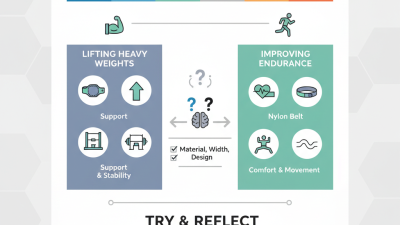
This chart illustrates the importance of various factors associated with sports protection belts as rated by athletes. Each factor's contribution to performance is rated on a scale from 1 to 10, highlighting how critical stability and injury prevention are in enhancing athletic performance.
Types of Sports Protection Belts Available for Different Activities
When choosing a sports protection belt, understanding the different types is essential. Not all belts provide the same level of support or protection. For instance, a weightlifting belt is designed to stabilize the core during heavy lifts. These belts are often made from durable materials and feature a wide back for optimal support. Athletes benefit significantly from this type of gear, but they must ensure they use it properly to avoid relying solely on it.
Another type of protection belt is the running belt. These belts are lightweight and often designed to carry essentials like keys or energy gels. They provide minimal support but can enhance comfort during long runs. Different activities demand different features, and athletes should evaluate their specific needs. The belt should fit snugly without being overly restrictive. A poorly fitting belt can cause discomfort and hindrance.
Consider the type of sport you engage in most. Many belts offer adjustable sizing, which helps cater to various body types. However, some users may find adjustments difficult during a busy routine. Seek out options that are easy to put on and take off. Even the best belt requires diligence in checking its condition. Ensure no wear or tear compromises its effectiveness. Balancing protection and comfort is key to optimizing performance.
Key Features to Look for in a Quality Sports Protection Belt
Choosing the right sports protection belt requires understanding its key features. A quality belt should offer excellent support, ensuring stability during high-intensity activities. According to a study by the American Journal of Sports Medicine, athletes wearing supportive gear are 30% less likely to sustain injuries. This statistic highlights the importance of selecting a belt designed with ergonomic principles.
The material used in construction matters significantly. Breathable fabrics help reduce sweat buildup, enhancing comfort during use. A report from the Journal of Athletic Training indicates that moisture-wicking materials improve athletes' overall performance. Comfort should not be overlooked. A belt that fits improperly may inhibit movement and cause distractions. Look for adjustable options that ensure a snug, yet comfortable fit.
Moreover, consider additional features such as reinforced stitching. A durable design withstands intense training sessions, making it a more reliable investment. However, some products may appear robust but may fail under heavy use. Conducting thorough research into material quality is essential. Always assess user reviews for real-world insights; they often reveal insights that data alone cannot. Emphasizing these features can guide athletes toward better performance and injury prevention.
How to Properly Fit and Wear a Sports Protection Belt for Safety
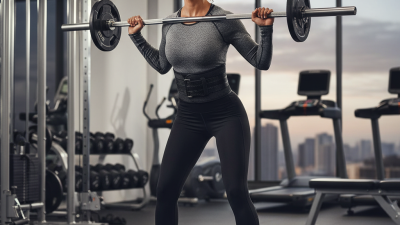
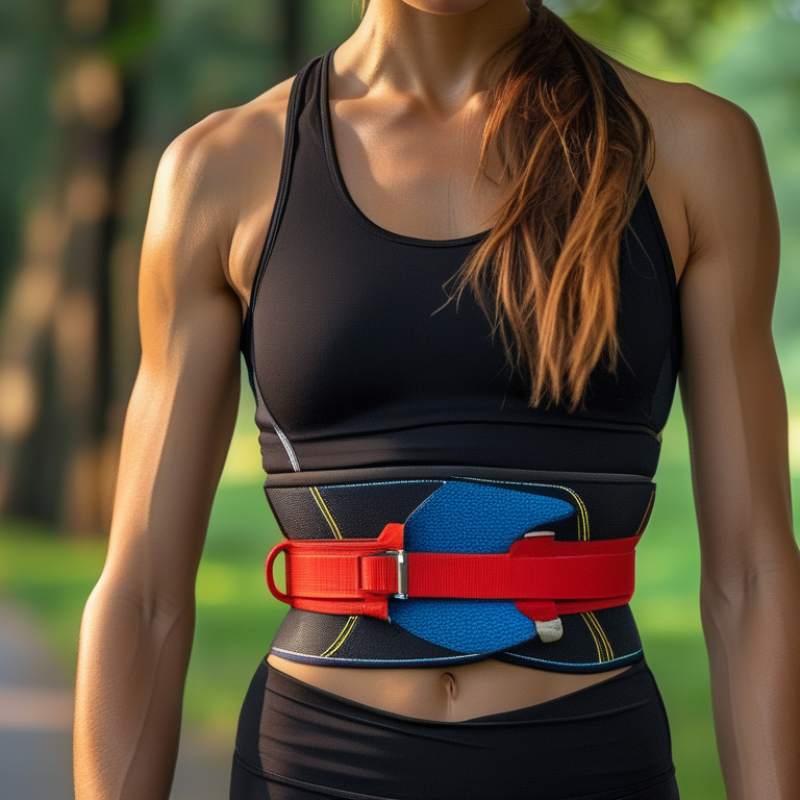
Wearing a properly fitted sports protection belt can greatly enhance your performance. It stabilizes your core and provides support during intense activities. To fit the belt correctly, start with understanding your body measurements. Measure your waist and refer to sizing guides. Choose a belt that offers a snug fit without restricting movement.
When putting on the belt, ensure it sits just above your hips. Adjust it to be firm but comfortable. You should be able to breathe easily. Engage in a few dynamic stretches while wearing the belt. This will help you determine if it’s too tight or if it shifts during movement.
It’s common to experience discomfort with a new belt. Take time to adjust before crucial activities. If you find it irritates your skin or hinders your movements, reconsider the size. Over time, you’ll learn what feels best for your performance. Remember, finding the right fit is a personal journey.
Best Sports Protection Belt for Ultimate Performance and Safety
| Feature |
Description |
Size Options |
Material |
Price Range |
| Shock Absorption |
Provides excellent shock absorption to prevent injury during physical activities. |
Small, Medium, Large, XL |
Neoprene, Polyester |
$25 - $50 |
| Breathable Design |
Features moisture-wicking fabric to keep you cool and dry. |
Adjustable |
Mesh Fabric, Spandex |
$30 - $60 |
| Support Level |
Offers varying levels of support suitable for different sports. |
One Size Fits Most |
Elastic, Nylon |
$20 - $40 |
| Durability |
Crafted to withstand rigorous use and maintain integrity over time. |
Various Sizes Available |
TPU, Cotton Blend |
$35 - $70 |
Maintenance and Care Tips for Longevity of Sports Protection Belts
Taking care of your sports protection belt can greatly enhance its lifespan and effectiveness. Regular cleaning is essential. After each use, wipe down the surface with a damp cloth. This prevents sweat and grime buildup. Pay attention to seams and closures. Dirt can compromise the belt's structural integrity.
Storage is equally important. Keep the belt in a cool, dry place away from direct sunlight. This reduces the risk of material deterioration. Avoid folding the belt in a way that can create creases. Sometimes, these small actions can lead to bigger issues.
Lastly, inspect the belt frequently for signs of wear and tear. Look for fraying or weak areas. If you notice any damage, it might be time to replace it. Investing time in maintenance can foster a safer, more reliable experience in your sports activities. Even minor mistakes can lead to significant consequences, so pay attention and take action when necessary.