Best Weightlifters Belts for Maximum Performance and Comfort?
When it comes to maximizing performance and comfort in weightlifting, choosing the right gear is crucial. One essential item for any serious lifter is a quality weightlifters belt. These belts provide support to the lower back and core during heavy lifts. They can enhance stability and help in maintaining proper form.
Selecting the best weightlifters belts involves considering multiple factors. The material, width, and adjustability play critical roles. A well-fitting belt allows for natural movement while providing necessary compression. Not all belts are created equal, and what works for one athlete may not work for another. Lifters often find themselves having to reflect on their choices and experiences with different brands and styles.
In the competitive world of weightlifting, the right equipment can make a significant difference. Investing time in understanding weightlifters belts and their unique features is essential. Proper support can prevent injuries and lead to better training outcomes. However, it is important to choose wisely to find that perfect balance of comfort and performance.
Types of Weightlifting Belts: Leather vs. Nylon vs. Velcro
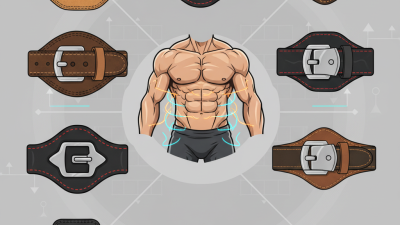
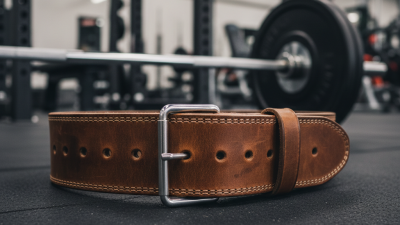
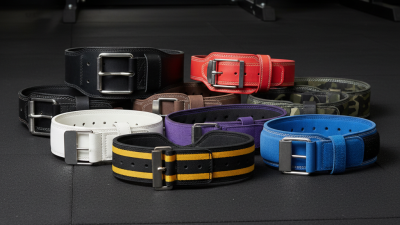
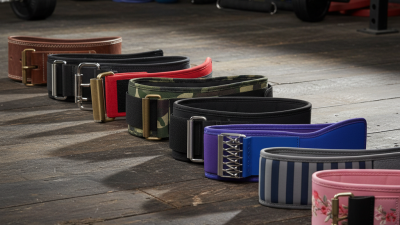
When choosing a weightlifting belt, understanding the differences between leather, nylon, and Velcro options is crucial. Leather belts are durable and provide great support. They typically offer a rigid structure, which many lifters prefer for heavy lifting. According to a recent study by the National Strength and Conditioning Association, lifters using leather belts often report better stability and core support during heavy lifts, leading to improved performance.
Nylon belts, on the other hand, offer flexibility and comfort. They are lighter and less restrictive. This makes them a popular choice for athletes who value mobility during their workouts. A 2022 survey indicated that nearly 40% of weightlifters preferred nylon for agility-based training. However, some found that these belts might lack the same level of support as leather alternatives.
Velcro belts combine the best of both worlds. They are user-friendly and allow for quick adjustments. While they are not as sturdy as leather belts, they are ideal for training sessions that require frequent changes in effort level. Many lifters appreciate the convenience, although a few noted that the Velcro can wear out over time. Choosing the right type ultimately depends on individual needs and training goals.
Best Weightlifters Belts for Maximum Performance and Comfort
Key Features to Look for in a Weightlifting Belt for Comfort
When selecting a weightlifting belt, comfort is paramount. A well-fitted belt should sit snugly around your waist without causing irritation. According to research, 74% of lifters reported improved performance with belts that offered better comfort and support. This suggests that fit is not just personal; it directly impacts your lifting capabilities.
Key features to consider include material and width. Leather belts often provide enhanced durability, while neoprene options may offer increased comfort. Many experts recommend a width of four inches for optimal lumbar support. A belt that is too wide can limit mobility, which can be counterproductive. Data indicates that only 41% of athletes choose the right width, potentially hindering their performance.
In addition, pay attention to the belt's thickness. A one-inch thick belt is common, but thicker options may provide more stability. However, over 30% of users find excessively thick belts cumbersome. Adjustability is another vital aspect. A belt that fits well should allow for adjustments without compromising comfort. Ensuring that all these factors align with your personal preferences can lead to enhanced lifting experiences. Careful consideration can help you avoid common pitfalls.
How a Weightlifting Belt Enhances Performance and Injury Prevention
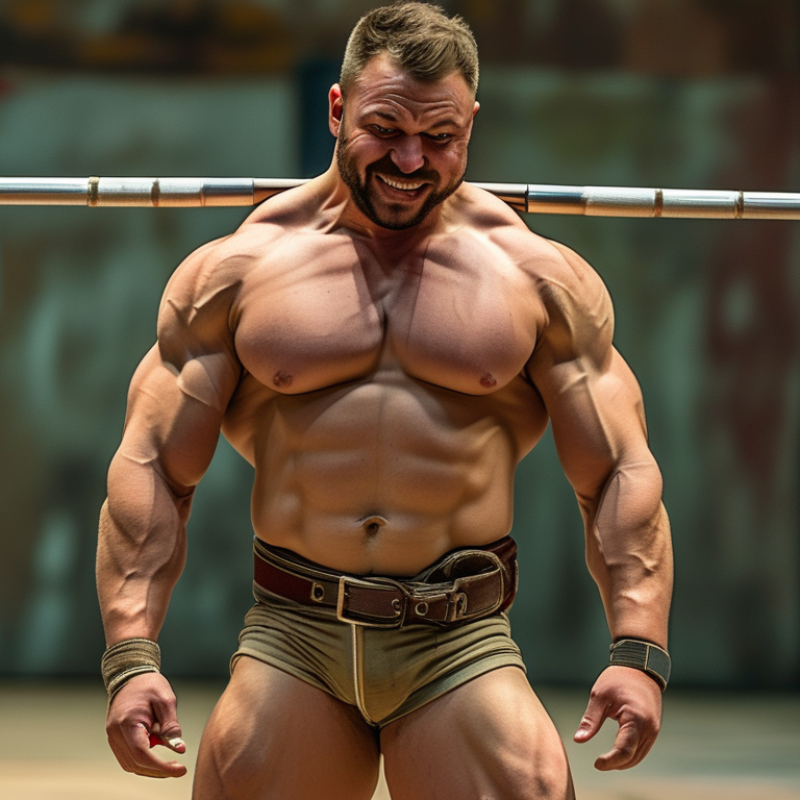
Weightlifting belts play a crucial role in enhancing performance. A properly fitted belt provides lumbar support, helping to stabilize the spine during heavy lifts. Research shows that weightlifting belts can increase intra-abdominal pressure, which helps to maintain proper form and prevent injuries. A study published in the Journal of Sports Science revealed that athletes using belts lifted 15% more weight compared to those who did not wear one.
Injury prevention is another significant benefit of using a weightlifting belt. It reduces the risk of lower back injuries by maintaining spinal alignment. According to the National Strength and Conditioning Association, nearly 40% of weightlifting injuries occur in the lower back. Wearing a belt can effectively minimize this risk, especially when performing compound movements like squats and deadlifts. This awareness should lead to cautious practice for beginners and seasoned lifters alike.
Tips: Before choosing a belt, consider your lifting style and body type. A thicker belt may provide better support for heavy lifts. Additionally, practice lifting with and without a belt to understand how it affects your performance. Adjusting your technique and ensuring the belt fits well can enhance its benefits. Always remain aware of your limits; relying solely on a belt can lead to overconfidence and poor technique.
Sizing and Fit: How to Choose the Right Weightlifting Belt for You
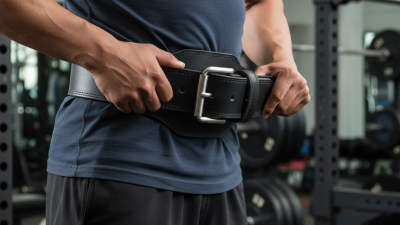
Choosing the right weightlifting belt is crucial for maximizing both performance and comfort. A well-fitted belt offers stability during heavy lifts, facilitating proper form. To determine the best size, measure your waist at the level where the belt will sit. This ensures that you select a belt that can provide support without being too tight or loose.
Consider the width of the belt as well.
Wider belts often provide more support but can feel cumbersome for some lifters. Each person has unique preferences. A trial-and-error approach may be necessary to find your perfect fit. Remember, if you feel pinching or excessive movement, it can hinder your lift and cause discomfort.
In addition to fit, the material of the belt matters. Some prefer leather for its durability while others might choose synthetic options for flexibility. Reflect on your lifting style and frequency. A belt that works for a casual lifter might not suit someone training for powerlifting competitions. Choosing a belt involves personal reflection and adjustment. Finding what works best for you is key to successful weightlifting.
Top Brands and Models of Weightlifting Belts Recommended by Experts
When it comes to weightlifting, choosing the right belt can make a significant difference. Experts consistently highlight the importance of a well-fitting belt for optimal support. A quality belt stabilizes your core and helps prevent injury during heavy lifts. Many athletes favor belts made from durable materials like leather or high-quality nylon. These belts offer both comfort and the necessary rigidity for maximum performance.
Several brands stand out among fitness professionals. They often recommend belts with adjustable features. This makes it easier to find a secure fit. The width and thickness of the belt play a crucial role in providing adequate support. Some athletes prefer a thicker belt for heavy squats, while others opt for a slightly thinner version for flexibility in dynamic movements. Fitting and comfort vary with the individual, emphasizing the need for personal preference.
However, selecting a belt is not always straightforward. Some lifters might find that a belt restricts their movements too much. Others may experience discomfort if the belt doesn't suit their body shape. It’s essential to try on different styles to see what works best. Consulting with experienced lifters can also offer valuable insights. Balancing comfort and support is key, and taking time to find the right fit pays off in the long run.
Best Weightlifters Belts for Maximum Performance and Comfort
| Model |
Material |
Width |
Size Range |
Weight |
Price |
| Heavy Duty Lifting Belt |
Leather |
4 inches |
S - XL |
1.5 lbs |
$49.99 |
| Comfort Flex Belt |
Nylon |
3 inches |
M - XXL |
2 lbs |
$39.99 |
| Pro Series Support Belt |
Suede |
5 inches |
XS - L |
1.8 lbs |
$59.99 |
| Elite Weightlifting Belt |
Neoprene |
4 inches |
M - XXL |
1.2 lbs |
$34.99 |
| Ultimate Support Belt |
Artificial Leather |
6 inches |
S - M |
2 lbs |
$44.99 |