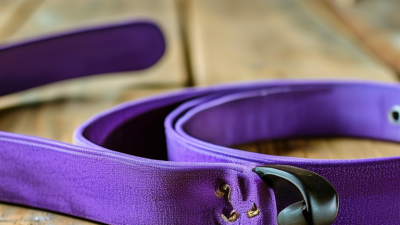
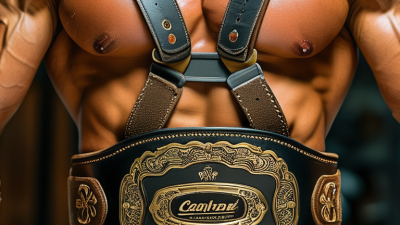
7 Gym Belt Weightlifting Tips for Buyers
Choosing a belt for Gym Belt Weightlifting can feel simple until you compare widths, materials, and fastening systems. A belt is not a shortcut to better lifting. It can give your torso a firm surface to brace against, but sound technique still matters. Keep that in mind.
This guide introduces seven practical checks for buyers. It covers how to measure your waist, choose a comfortable fit, and compare lever, prong, and quick-release closures. You will also consider belt thickness, material, and how easily the belt adjusts between training sessions. Small details count. A buckle that digs into your ribs during a squat can become a real distraction, even if the belt looks sturdy online.
There is no single best belt for every lifter. A beginner practicing controlled sets may value comfort and easy adjustment, while an experienced strength athlete may prefer a rigid, competition-style design. Neither choice is automatically right. Think about the lifts you perform, your training habits, and the return policy before buying. Check the manufacturer’s sizing chart rather than guessing from trouser size; sizing can vary between brands. If possible, try the belt in your usual lifting position. A quick standing fit check may miss pressure points that appear when you bend or brace.
Price matters, but durability and a secure fit matter too. Be cautious of bold promises. A belt cannot guarantee heavier lifts or prevent every injury. The tips ahead help you compare options with clearer expectations—and make a choice you can use consistently.
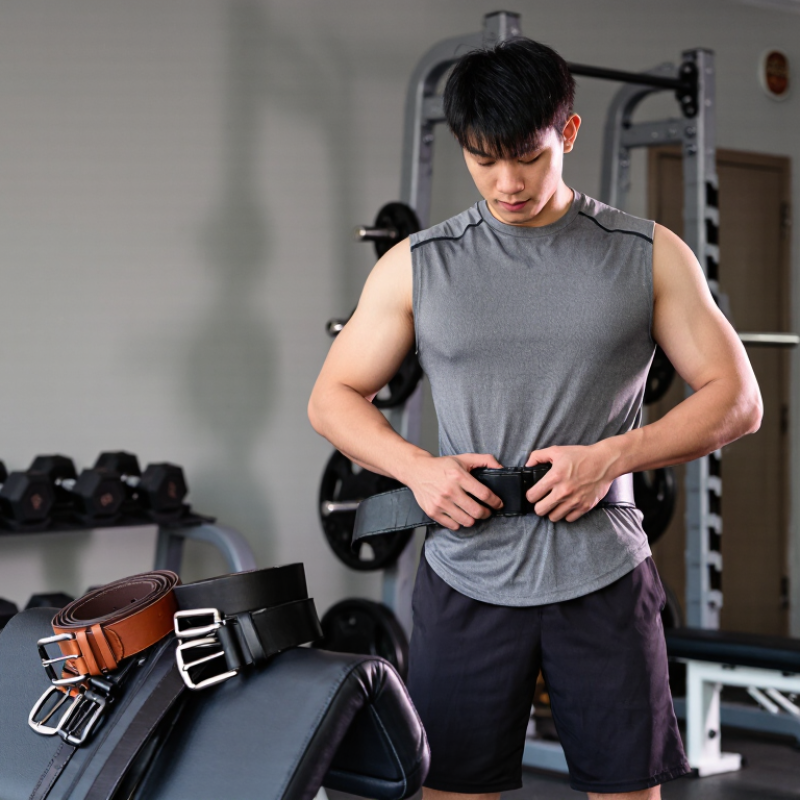
Understanding How a Weightlifting Belt Supports Training
A weightlifting belt gives your abdomen something firm to brace against during demanding lifts. It does not lift the weight for you or guarantee protection from injury. It is not armor. Its value depends on how it fits and how you use it. Choose a belt that feels snug around your waist, with room to take a full breath. A belt that pinches your ribs or shifts when you hinge may distract more than it helps. Check the width, too; a broad belt can feel supportive, but it may limit your starting position.
Consider stiffness, fastening style, and material before buying. A rigid belt offers a solid surface to press against, while a more flexible one may feel easier during varied movements. A buckle, lever, or adjustable closure should stay secure and be simple to set between sets. Try sitting, bending, and bracing in the belt if possible. Fit matters. Practice wearing it with lighter loads before relying on it for challenging sets. I have found that even a well-made belt can feel awkward at first, and that is worth noticing rather than ignoring. Use it as one training tool, alongside controlled technique and gradual increases in load.
How to use this chart: Each bar represents one practical buying check, not a product rating. Look for a belt that fits securely, suits your lifts, and feels comfortable when braced.
Comparing Belt Types, Materials, and Construction
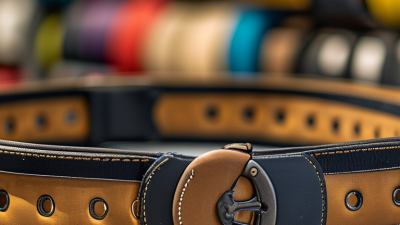
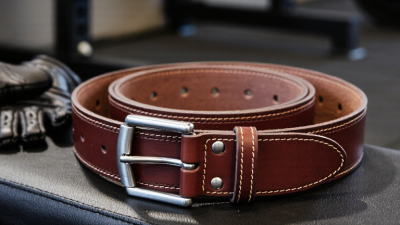
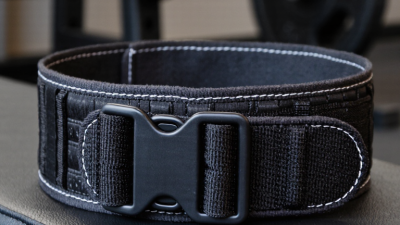
A leather belt usually feels rigid and holds its shape under a heavy brace. Nylon belts flex more easily and can suit varied movements, but their hook-and-loop closures may wear. Prong closures are simple; lever closures allow quick release, though sizing changes can be less convenient. Fit beats hype. Check that the belt sits firmly around your trunk without pinching your ribs or hips. Try a deep breath and a squat before buying.
Material and construction matter. Look for even stitching, smooth edges, and a buckle that stays aligned when you brace.
In a 1989 laboratory study, Harman and colleagues measured 25–40% higher intra-abdominal pressure when participants lifted with a belt. That finding concerns belt use, not proof that one material or closure performs best. NIOSH’s 1994 review of workplace back belts found insufficient evidence that they prevent injuries; those belts are not identical to gym belts, so the comparison has limits.
I may be overvaluing stiffness here. A belt that digs into your abdomen can distract you, even if its construction looks robust. Check the return policy, then test the fit with the movements you actually train.
Choosing the Right Belt Width, Thickness, and Fit
A belt should brace your trunk without pinching your ribs or hips. Many lifters start with a 10 cm (4-inch) width, but torso length matters more than a standard measurement. Sit, squat, and hinge while trying one on; the edges should not dig into your body. Fit matters more.
Thickness changes feel. A thicker belt is usually stiffer and may take longer to break in, while a thinner model can feel less restrictive. Try fastening it snugly, then take a deep breath and brace. You should still be able to breathe and move. Don’t buy the stiffest option just because it looks more supportive.
Research offers useful context, not a sizing formula. In a 1992 study published in Medicine & Science in Sports & Exercise, Lander and colleagues reported that wearing a lifting belt increased intra-abdominal pressure by about 40% during squat lifting. The study examined belt use, not which width or thickness fits every lifter. Treat that figure as one finding, not a promise of safer lifting. A small fitting mistake can matter. Check your position at the bottom of a squat, where a belt that seems comfortable standing may press into your hips.
Inspecting Fasteners, Stitching, and Adjustment Features
Before buying a gym belt, inspect its fasteners closely. A lever should close firmly without wobbling, while a prong buckle should have smooth edges and a straight pin. Check screws, rivets, and metal parts for looseness, sharp burrs, or rust. These small flaws can worsen with repeated use. A product label or seller’s specifications should also state the belt’s intended use; appearance alone cannot confirm its strength.
Tips: Pull gently on each fastener. Look for even stitching near the buckle and along the belt’s edges. Skip pieces with loose threads or gaps.
Stitching should look consistent, with no skipped sections or frayed thread where the belt bends. Flex the belt by hand and watch whether seams separate. Then test the adjustment range: the belt should tighten securely and release without forcing the buckle. Try it over the clothing you usually wear for training. A belt that fits only at its loosest setting may leave little room for adjustment. I’ve found that attractive finishes can distract from awkward closures; that’s easy to miss in a quick shop inspection. A careful check helps, but it cannot replace sensible use or proper fit.
Matching a Belt to Training Needs and Budget
Choose a belt for the lifts you actually train, not the heaviest lift you hope to do someday.
A stiff, wide belt may suit regular squats and deadlifts, while a softer, adjustable belt can feel less restrictive during varied workouts. Fit comes first. Measure your waist where the belt will sit, then check the maker’s sizing chart before buying. It should feel snug when braced, not painful or hard to breathe against. If possible, try the belt in your lifting stance; a buckle that digs in during a squat can spoil an otherwise solid purchase.
Set a budget around use and durability. A beginner training twice weekly may not need a premium, competition-style belt; prioritize secure closure, comfortable edges, and reliable stitching.
The Physical Activity Council’s 2024 Participation Report estimated that 242.6 million Americans took part in at least one sport or fitness activity in 2023, but that broad figure does not show how many need belts.
Your training matters more. Lander, Simonton, and Giacobbe’s 1990 squat study found that belt use changed lifting mechanics and increased intra-abdominal pressure; it did not establish that every lifter benefits. Skip the hype. A belt is a tool, not a substitute for bracing practice, and choosing one can still involve some trial and error.