Top Weightlifting Leather Belts for Ultimate Support and Durability?
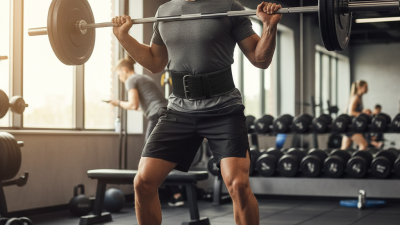
When it comes to serious weightlifting, the choice of gear can significantly influence performance. Weightlifting Leather Belts are one key piece of equipment that many lifters rely on for both support and safety. These belts provide the necessary stability during heavy lifts, helping to protect your core and spine. The right belt can enhance your ability to push through those final reps, making it an essential tool for both beginners and seasoned athletes.
However, not all weightlifting leather belts are created equal. The market is flooded with options, varying in quality, durability, and price. It’s crucial to choose a belt that complements your lifting style and body shape. Consider the materials used, the stitching quality, and the comfort level. A poorly made belt may not only fail to provide support but can also lead to injury.
While investing in a high-quality weightlifting leather belt is wise, it's also important to ensure it fits properly. A belt that is too loose or too tight can hinder your performance. Reflecting on these factors helps lifters make informed choices. Ultimately, selecting the right weightlifting leather belt can lead to improved results and a safer lifting experience.
Top Materials Used in High-Quality Weightlifting Leather Belts
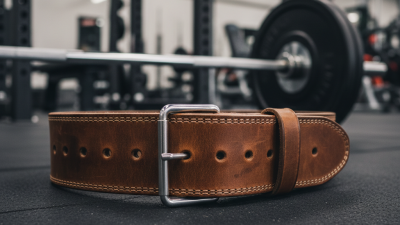
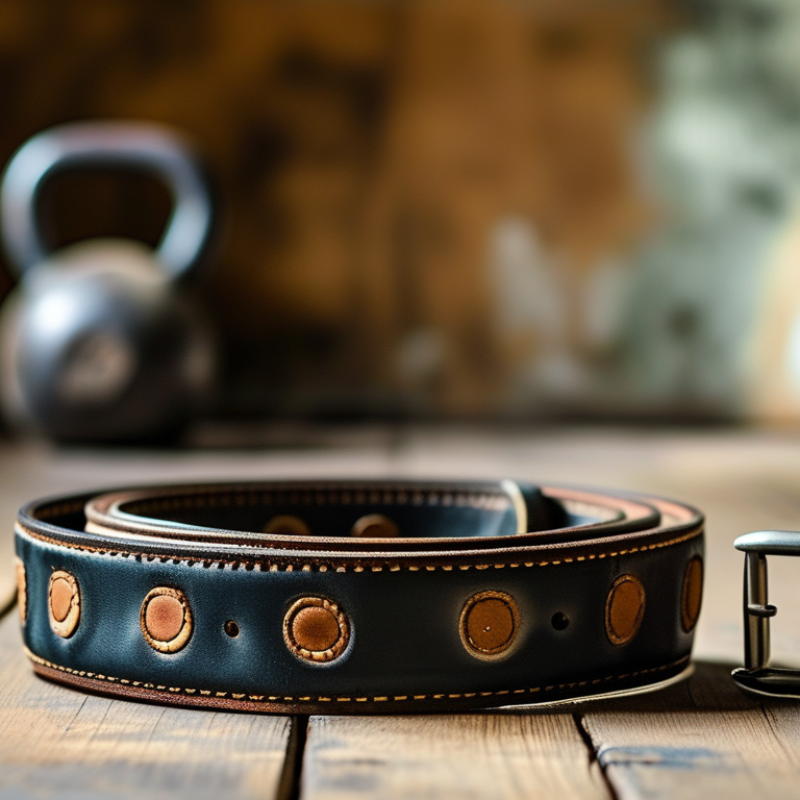
When choosing a weightlifting leather belt, the material plays a crucial role. High-quality leather can make all the difference in support and durability. Full-grain leather is often regarded as the best option. This type of leather retains its natural texture and strength, making it long-lasting. It offers excellent support during heavy lifts, providing a solid brace for your core.
Another important material is suede. This leather type is softer and more flexible. Suede belts are comfortable to wear, yet they still maintain decent support. They can be a good choice for those who are new to weightlifting or prefer lighter lifting. In contrast, bonded leather is worth mentioning, though it lacks the same durability. It is made from scraps of leather and is often less expensive. However, its shorter lifespan might lead to potential regret for serious lifters.
Craftsmanship also matters. Hand-stitched belts often exhibit superior quality compared to mass-produced options. These belts can mold to your body over time, enhancing their effectiveness. While some may find a higher price tag daunting, investing in a reliable belt could save money in the long run. A poorly made belt can break or wear out quickly, leading you to replace it sooner than expected. In the end, choosing the right material and construction is essential for achieving your weightlifting goals.
Benefits of Using Weightlifting Belts for Back Support and Injury Prevention
Wearing a weightlifting belt can provide significant support for your back. Research shows that belts can increase intra-abdominal pressure, stabilizing the spine during heavy lifts. This can potentially reduce the risk of lower back injuries. A study published in the Journal of Strength and Conditioning Research indicates that lifters using belts can lift 10% more weight, thanks to enhanced core stability.
Weightlifting belts also promote proper lifting techniques. They encourage athletes to maintain a neutral spine, especially during squats or deadlifts. This is crucial, as improper form can lead to serious injuries over time. According to the National Center for Sports Safety, proper back support can prevent up to 80% of weightlifting-related injuries.
However, it is important to recognize that reliance on a belt should not replace proper training techniques. Some lifters may become dependent on the extra support. This can result in weak core muscles, making them prone to injuries when lifting without a belt. Building a strong foundation through core workouts remains essential for all athletes. Balancing belt use with proper training can lead to safer and more effective lifting practices.
Comparative Analysis of Leather vs. Synthetic Weightlifting Belts
When comparing leather and synthetic weightlifting belts, each material has unique characteristics that affect performance.
Leather belts are often preferred for their durability and support. They mold to the body over time, providing a personalized fit that can enhance stability during heavy lifts. However, they can be stiff initially, requiring a break-in period. This stiffness may be uncomfortable for some users at first.
On the other hand, synthetic belts offer flexibility and a lighter weight, making them easier to wear right out of the box.
They often provide moisture-wicking properties, suitable for intense workouts. Yet, they may lack the long-term durability that leather belts promise. Synthetic materials can wear down faster, especially under heavy use.
Both options present their advantages and drawbacks. The choice between them ultimately depends on individual needs and preferences. Some lifters may prefer the classic feel of leather, while others may value the comfort and lightweight nature of synthetic belts. Users must reflect on their training intensity and style when deciding.
Key Features to Look for in Durable Weightlifting Leather Belts
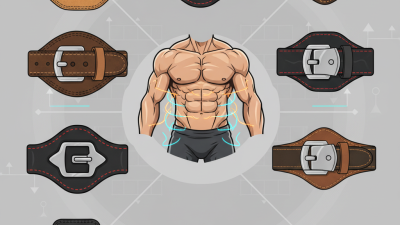
When choosing a leather weightlifting belt, several key features ensure both support and longevity. Look for genuine leather, as it provides the best strength and flexibility. The thickness matters; belts that are 10mm to 13mm thick usually deliver adequate support without compromising comfort. A properly designed belt will taper for better fit around the waist, enhancing ergonomics during lifts.
Stitching and buckles are essential elements to consider. Double stitching increases the durability of the belt. Steel buckles are preferable over plastic, as they resist wear and provide a secure fastening. Many lifters overlook the importance of adjustment options. Belt sizes should allow easy adjustments to accommodate varying waist sizes throughout workouts.
Investing time in choosing the right belt can enhance your lifting performance. However, not every belt fits every individual perfectly. It’s wise to try a few options before settling on one. Weightlifting belts should be a partner in your journey, yet personal comfort must remain a priority.
Top Weightlifting Leather Belts for Ultimate Support and Durability
| Feature |
Description |
Importance |
| Material Quality |
High-grade leather for durability and support. |
Essential for long-lasting wear. |
| Belt Thickness |
Typically 10mm to 13mm for optimal support. |
Crucial for stability during heavy lifts. |
| Buckle Type |
Single prong, double prong or lever design. |
Impact on ease of adjustment and support. |
| Width |
Standard width is 4 inches for effective support. |
Stability during weightlifting movements. |
| Size Availability |
Various sizes for different waist measurements. |
Customization for proper fit and safety. |
| Stitching Quality |
Reinforced stitching for added durability. |
Prevents belt separation under stress. |
| Weight Distribution |
Even distribution of pressure along the spine. |
Reduces risk of injury during lifting. |
Recommended Brands and Models for Professional Weightlifting Belts
When it comes to weightlifting, choosing the right leather belt is crucial for support and durability. A good leather belt stabilizes the core and helps maintain proper lifting form. Professional lifters often look for belts that balance comfort with strength. The thickness and width of the belt can significantly affect its performance. A typical professional belt is about 10mm to 13mm thick. This thickness provides a solid support base without sacrificing too much flexibility.
Several brands are renowned in the weightlifting community for their craftsmanship. These belts often feature high-quality leather with reinforced stitching. Some models offer a smooth finish that feels great against the skin. However, the choice of material should also consider breathability. A poorly designed belt can lead to discomfort during your lift. It’s essential to find one that fits snugly but allows for free movement.
Testing out different models is key. What works for one person might not work for another. Some prefer a wider back for extra support, while others may want a tapered design for versatility. It’s important to actively engage in this process, as a belt is a significant investment. A well-chosen belt can enhance performance and safety for years to come.